Asteraceae
How to Grow False Sunflower (Heliopsis helianthoides)
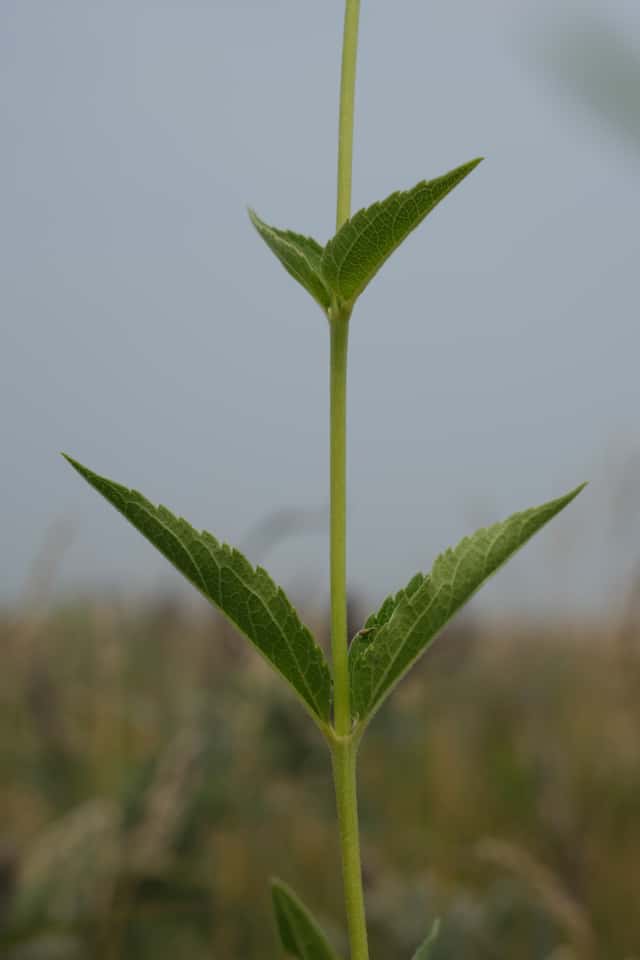
Heliopsis helianthoides
False Sunflower is a low-maintenance perennial that thrives in full sun with well-drained soil. Water regularly during establishment, then reduce frequency as it becomes drought-tolerant. Deadhead spent flowers to prolong blooming, and divide clumps every 3–4 years to maintain vigor. Cut back to the ground in late fall or early spring.
Every 7 days
Direct sun
-40° - 35°C
40% - 70%
Categories
What is False Sunflower?
False Sunflower (Heliopsis helianthoides) is a easy-care plant from the Asteraceae family. Heliopsis helianthoides, commonly known as False Sunflower or Oxeye, is a native North American herbaceous perennial belonging to the Asteraceae family. It produces abundant bright golden-yellow daisy-like flowers from mid-summer through early fall, attracting pollinators such as bees and butterflie...
False Sunflower grows up to 1.5m, spread of 90cm, watering every 7 days, -40°C – 35°C, 40–70% humidity. It is not suitable for indoor environments and safe for pets.
Unlike many tropical plants, False Sunflower tolerates watering mistakes. Best for beginners. Unlike many popular species, False Sunflower is safe to keep around pets.
How to Care for False Sunflower?
TLDR: False Sunflower needs Direct sun, watering every 7 days, and temperatures between -40-35°C with 40-70% humidity.
How Often Should You Water False Sunflower?
Water deeply once a week during the growing season, particularly in the first year to establish strong roots. Once established, it tolerates short dry spells. Avoid waterlogging, which can lead to crown rot.
How Much Light Does False Sunflower Need?
Plant in a spot with at least 6 hours of direct sunlight per day. Full sun maximizes flowering; partial shade leads to leggy growth and fewer blooms. This plant is ideal for open borders and sunny meadows.
What Is the Best Soil for False Sunflower?
Thrives in average to moderately rich, well-drained soil. Sandy loam or loamy soil with a pH of 6.0–7.5 is ideal. Amend poor soils with compost. Avoid heavy clay or waterlogged conditions.
What Pot Should You Use for False Sunflower?
Outdoor garden bed or large container with drainage holes. Not typically grown as a houseplant.
Care Schedule
Fertilize
Every 90 days
Misting
Every 3 days
Rotate
Every 7 days
Repot
Every 365 days
What Is False Sunflower and Where Does It Come From?
Heliopsis helianthoides, commonly known as False Sunflower or Oxeye, is a native North American herbaceous perennial belonging to the Asteraceae family. It produces abundant bright golden-yellow daisy-like flowers from mid-summer through early fall, attracting pollinators such as bees and butterflies. A tough, adaptable wildflower, it thrives in full sun and well-drained soils, making it an outstanding choice for prairie gardens, naturalized landscapes, and pollinator gardens.
How Big Does False Sunflower Grow?
TLDR: False Sunflower can reach up to 1.5m tall with Fast growth rate.
Max height
1.5m
Spread
90cm
Growth rate
Fast
Foliage
Deciduous
Plant Uses
Ornamental
Great for decoration
Is your plant showing symptoms?
Click on the symptom to discover possible causes:
What Diseases Commonly Affect False Sunflower?
TLDR: False Sunflower is susceptible to 11 known diseases. Monitor regularly for early detection.
Powdery Mildew
Powdery mildew is a common fungal disease caused by various fungi species including Erysiphe, Podosphaera, Oïdium, and Leveillula. It affects over 10,000 plant species worldwide. The disease thrives in warm, dry climates with high humidity and appears as a distinctive white powdery coating on plant surfaces.
Aphids
Aphids are small, soft-bodied, pear-shaped insects (1/16 to 1/8 inch long) that feed by sucking nutrient-rich sap from plants. They reproduce rapidly and can quickly weaken plants, causing distorted growth and transmitting plant viruses. Aphids come in various colors including green, black, red, yellow, brown, and gray. They secrete honeydew, a sticky substance that attracts ants and encourages sooty mold growth.
Leaf Spot
Leaf spot is a common fungal disease caused by various pathogens including Alternaria, Ascochyta, Colletotrichum, Septoria, and Venturia. It primarily affects leaves, causing discolored spots that can lead to premature leaf drop if left untreated.
Cercospora Leaf Spot
Cercospora leaf spot is a common fungal disease caused by Cercospora species that affects many plant types, particularly beets, roses, and leafy vegetables. The disease thrives in warm, humid conditions and can cause significant defoliation, reducing plant vigor and yield. It spreads rapidly through water splash, wind, and contaminated tools.
Fun Facts
Heliopsis helianthoides is native to eastern and central North America and is an important nectar source for native bees and monarch butterflies.
The genus name Heliopsis means "resembling the sun" in Greek, referencing its bright golden blooms.
Unlike true sunflowers (Helianthus), the ray petals of Heliopsis are also fertile, making it a distinct genus.
False Sunflower can bloom continuously for 6–8 weeks, one of the longest blooming periods of any summer perennial.
Frequently asked questions
Is False Sunflower toxic to pets?
How do I prevent powdery mildew on my False Sunflower?
When should I divide my False Sunflower?
Does False Sunflower spread?
Compare with similar plants
| Attribute | Difficulty | Light | Watering | Pet Safe |
|---|---|---|---|---|
| Field Maple | Easy | Bright indirect | 14d | ✓ |
| Cushion Bush | Easy | Direct sun | 14d | ✓ |
| Wild Lettuce | Medium | Direct sun | 7d | ⚠️ |
| Chilean Cacti | Easy | Direct sun | 14d | ✓ |
Choose & Compare
Sources & References
- Heliopsis helianthoides - NC State Extension Gardener Plant Toolbox
- Heliopsis helianthoides - Missouri Botanical Garden Plant Finder
- Heliopsis (False Sunflower): Growing & Care Guide - Garden Design
- False Sunflower (Heliopsis helianthoides) - How to Grow & Care Guide
- Heliopsis helianthoides (False Sunflowers) - Gardenia.net