Asparagaceae
Weak-leaf Yucca (Yucca flaccida): Complete Care Guide
Yucca flaccida
Weak-leaf Yucca is an extremely low-maintenance plant. Water sparingly every two weeks during the growing season and reduce in winter. Plant in full sun with excellent drainage. No fertilizer or misting needed. Cold-hardy to zone 4.
Every 14 days
Direct sun
-20° - 38°C
20% - 50%
Categories
What is Weak-leaf Yucca?
Weak-leaf Yucca (Yucca flaccida) is a easy-care plant from the Asparagaceae family. Yucca flaccida, commonly known as Weak-leaf Yucca or Adam's Needle, is a hardy evergreen shrub native to the eastern United States. It forms a dramatic basal rosette of long, sword-shaped leaves that characteristically droop or flop at their tips — the source of its common name. Tall, creamy white f...
Weak-leaf Yucca grows up to 1.8m, spread of 120cm, watering every 14 days, -20°C – 38°C, 20–50% humidity. It is not suitable for indoor environments and not safe for pets.
Unlike many tropical plants, Weak-leaf Yucca tolerates watering mistakes. Best for beginners. Without precautions, ingestion can cause irritation in pets. Keep out of reach of cats and dogs.
How to Care for Weak-leaf Yucca?
TLDR: Weak-leaf Yucca needs Direct sun, watering every 14 days, and temperatures between -20-38°C with 20-50% humidity.
How Often Should You Water Weak-leaf Yucca?
Water deeply every 10–14 days in spring and summer, allowing soil to dry completely between waterings. In winter, reduce to once a month or stop entirely. Never let water pool around the crown.
How Much Light Does Weak-leaf Yucca Need?
Requires at least 6 hours of direct sunlight daily. Best in full sun positions. Inadequate light leads to weak, floppy leaves and reduced flowering.
What Is the Best Soil for Weak-leaf Yucca?
Plant in sandy, rocky, or well-draining soil. Avoid clay or heavy soils that retain moisture. Adding perlite or coarse sand greatly improves drainage and prevents root rot.
What Pot Should You Use for Weak-leaf Yucca?
Terracotta or unglazed clay pots; these allow excess moisture to evaporate quickly, preventing root rot.
What Is Weak-leaf Yucca and Where Does It Come From?
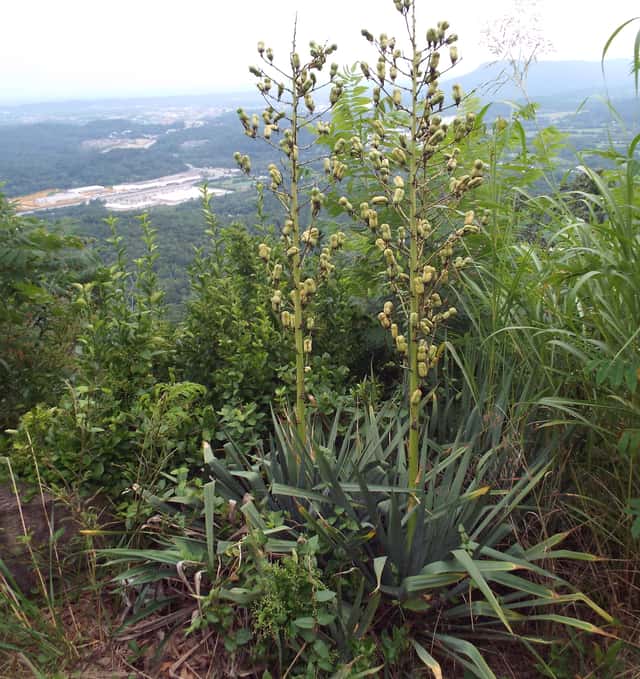
Yucca flaccida, commonly known as Weak-leaf Yucca or Adam's Needle, is a hardy evergreen shrub native to the eastern United States. It forms a dramatic basal rosette of long, sword-shaped leaves that characteristically droop or flop at their tips — the source of its common name. Tall, creamy white flower spikes emerge in summer, making it a striking ornamental plant for dry gardens and landscapes.
How to Propagate Weak-leaf Yucca?
Offset Division
Divide in spring for best results. Wear gloves as leaf tips are sharp.
- 1 Wait until offsets (pups) are at least 1/3 the size of the parent plant
- 2 Use a sharp spade to separate the offset from the parent
- 3 Allow the cut end to dry for 1-2 days before planting
- 4 Plant in well-draining soil and water sparingly for the first few weeks
Materials needed:
Stem Cutting
Use clean, sharp tools to prevent disease. Avoid overwatering during rooting.
- 1 Cut a healthy stem section in spring
- 2 Allow the cutting to callus for 1-2 days
- 3 Plant in sandy, well-draining soil
- 4 Keep in bright light and water minimally until rooted
Materials needed:
How Big Does Weak-leaf Yucca Grow?
TLDR: Weak-leaf Yucca can reach up to 1.8m tall with Slow growth rate.
Max height
1.8m
Spread
1.2m
Growth rate
Slow
Foliage
Evergreen
Warning: Toxic Plant
This plant can be toxic if ingested. Keep out of reach of:
Plant Uses
Ornamental
Great for decoration
Is your plant showing symptoms?
Click on the symptom to discover possible causes:
What Diseases Commonly Affect Weak-leaf Yucca?
TLDR: Weak-leaf Yucca is susceptible to 6 known diseases. Monitor regularly for early detection.
Root Rot
Root rot is a serious fungal disease that affects the root system of plants, causing them to decay and die. It is primarily caused by overwatering, poor drainage, or soil-borne fungi such as Pythium, Phytophthora, Rhizoctonia, and Fusarium. The disease thrives in waterlogged conditions where roots are deprived of oxygen, making them susceptible to fungal infection.
Leaf Spot
Leaf spot is a common fungal disease caused by various pathogens including Alternaria, Ascochyta, Colletotrichum, Septoria, and Venturia. It primarily affects leaves, causing discolored spots that can lead to premature leaf drop if left untreated.
Crown Rot
Crown rot is a serious fungal disease that attacks the crown (base) of the plant where the stem meets the soil. It is caused by various fungal pathogens including Phytophthora, Fusarium, and Rhizoctonia. The disease thrives in waterlogged conditions and can quickly spread to kill the entire plant if not addressed promptly.
Mealybugs
Mealybugs are small, soft-bodied insects covered with a white, waxy, cottony material. They are common pests of houseplants and outdoor plants in mild climates. These sap-sucking insects feed on plant tissue, causing damage, stunted growth, and can lead to plant death if left untreated. They produce sticky honeydew which attracts sooty mold.
Meaning & Symbolism
Resilience, protection, and endurance in challenging conditions.
Fun Facts
Yucca flaccida can survive temperatures as low as -20°C (-4°F), making it one of the hardiest yuccas in cultivation.
The drooping leaf tips that give it the name 'Weak-leaf' are a natural trait, not a sign of stress.
Its flowers are edible and have historically been used in salads by Native Americans.
Yucca flaccida has a symbiotic relationship with the yucca moth, which is its exclusive pollinator in the wild.
Frequently asked questions
How often should I water Weak-leaf Yucca?
Is Weak-leaf Yucca toxic to pets?
What hardiness zones does Yucca flaccida grow in?
Does Weak-leaf Yucca bloom?
Can I grow Weak-leaf Yucca indoors?
Compare with similar plants
| Attribute | Difficulty | Light | Watering | Pet Safe |
|---|---|---|---|---|
| Field Maple | Easy | Bright indirect | 14d | ✓ |
| Silver Birch | Easy | Direct sun | 14d | ✓ |
| Cushion Bush | Easy | Direct sun | 14d | ✓ |
| Peruvian peppertree | Easy | Direct sun | 14d | ⚠️ |