Oleaceae
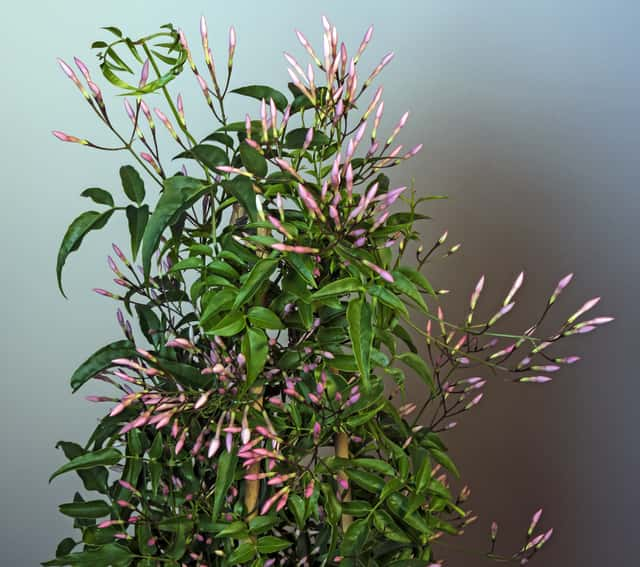
Pink Jasmine (Jasminum polyanthum)
Jasminum polyanthum
Provide bright light with some direct sun, water every 4 days keeping soil moist but not waterlogged, and maintain moderate humidity. Feed fortnightly during the growing season and prune after flowering to keep growth in check.
Every 4 days
Bright indirect
10° - 24°C
40% - 60%
Categories
What is Pink Jasmine?
Pink Jasmine (Jasminum polyanthum) is a easy-care plant from the Oleaceae family. Jasminum polyanthum is a vigorous, twining evergreen climber native to China, prized for its profuse clusters of intensely fragrant, star-shaped white flowers with pink-tinged buds. Blooming from late winter through spring, it can reach up to 5 meters and is a popular choice for both indoor and outd...
Pink Jasmine grows up to 5.0m, with spread of 300cm, watering every 4 days, 10°C – 24°C, 40–60% humidity. It is suitable for indoor environments and safe for pets.
Unlike many tropical plants, Pink Jasmine tolerates watering mistakes. Best for beginners. Unlike many popular species, Pink Jasmine is safe to keep around pets. Without adequate drainage, root rot can develop within 8 days.
How to Care for Pink Jasmine?
TLDR: Pink Jasmine needs Bright indirect, watering every 4 days, and temperatures between 10-24°C with 40-60% humidity.
How Often Should You Water Pink Jasmine?
Water every 4 days, allowing the top inch of soil to dry between waterings. Reduce frequency in winter. Avoid waterlogging as the plant is susceptible to root rot.
How Much Light Does Pink Jasmine Need?
Place in bright, indirect to direct light. At least 4-6 hours of bright light daily is essential for abundant flowering. A south or west-facing window is ideal indoors.
What Is the Best Soil for Pink Jasmine?
Use a well-draining potting mix with organic matter. A blend of peat, perlite, and compost works well. Maintain soil pH between 6.5 and 7.5.
What Pot Should You Use for Pink Jasmine?
Use a terracotta or ceramic pot with drainage holes. Terracotta is preferred as it allows soil to breathe and helps prevent overwatering.
Care Schedule
Fertilize
Every 14 days
Misting
Every 3 days
Repot
Every 365 days
What Is Pink Jasmine and Where Does It Come From?
Jasminum polyanthum is a vigorous, twining evergreen climber native to China, prized for its profuse clusters of intensely fragrant, star-shaped white flowers with pink-tinged buds. Blooming from late winter through spring, it can reach up to 5 meters and is a popular choice for both indoor and outdoor growing. Its fast growth rate and ease of care make it ideal for trellises, arches, and hanging baskets.
How to Propagate Pink Jasmine?
Stem Cutting
Use clean, sharp secateurs. Semi-ripe cuttings taken in summer root fastest. Mist regularly to maintain humidity.
- 1 Take a 10-15 cm cutting from a healthy, non-flowering stem with 2-3 nodes
- 2 Remove the lower leaves, keeping 2-3 leaves at the top
- 3 Dip the cut end in rooting hormone
- 4 Insert into moist perlite or a peat-perlite mix
- 5 Cover with a plastic bag to maintain humidity
- 6 Place in bright, indirect light and keep moist
Materials needed:
Layering
Layering is reliable and requires minimal equipment. The stem remains attached to the parent plant, drawing nutrients while rooting.
- 1 Select a long, flexible stem close to the ground
- 2 Wound the underside of the stem lightly where it will contact soil
- 3 Pin the wounded section into moist soil using a U-shaped wire
- 4 Keep the soil moist and wait for roots to develop
- 5 Once rooted, sever from the parent plant and pot up
Materials needed:
How Big Does Pink Jasmine Grow?
TLDR: Pink Jasmine can reach up to 5.0m tall with Fast growth rate.
Max height
5.0m
Spread
3.0m
Growth rate
Fast
Foliage
Evergreen
Plant Uses
Ornamental
Great for decoration
Aromatic
Pleasant fragrance
Medicinal Uses
- Jasmine flowers are traditionally used in aromatherapy for relaxation and stress relief
Culinary Uses
- Jasmine flowers can be used to make jasmine tea, a fragrant and popular beverage
Is your plant showing symptoms?
Click on the symptom to discover possible causes:
What Diseases Commonly Affect Pink Jasmine?
TLDR: Pink Jasmine is susceptible to 13 known diseases. Monitor regularly for early detection.
Root Rot
Root rot is a serious fungal disease that affects the root system of plants, causing them to decay and die. It is primarily caused by overwatering, poor drainage, or soil-borne fungi such as Pythium, Phytophthora, Rhizoctonia, and Fusarium. The disease thrives in waterlogged conditions where roots are deprived of oxygen, making them susceptible to fungal infection.
Powdery Mildew
Powdery mildew is a common fungal disease caused by various fungi species including Erysiphe, Podosphaera, Oïdium, and Leveillula. It affects over 10,000 plant species worldwide. The disease thrives in warm, dry climates with high humidity and appears as a distinctive white powdery coating on plant surfaces.
Rust
Rust is a common fungal disease caused by fungi in the order Pucciniales that affects a wide variety of plants. The disease gets its name from the characteristic orange, yellow, or reddish-brown pustules that appear on leaves, resembling metal rust. This obligate fungal parasite requires living plants to survive and can cause significant economic losses in agricultural crops.
Leaf Spot
Leaf spot is a common fungal disease caused by various pathogens including Alternaria, Ascochyta, Colletotrichum, Septoria, and Venturia. It primarily affects leaves, causing discolored spots that can lead to premature leaf drop if left untreated.
Meaning & Symbolism
Love, romance, purity, and sensuality. In Chinese culture, jasmine symbolizes feminine sweetness and beauty.
Fun Facts
Pink Jasmine can produce over 100 flowers on a single plant during peak bloom
The fragrance of Jasminum polyanthum is strongest in the evening, attracting nocturnal pollinators
In its native Yunnan province in China, it can grow up to 5 meters tall as a climbing vine
It received the Royal Horticultural Society Award of Garden Merit for its outstanding garden performance
Frequently asked questions
How often should I water Pink Jasmine?
Why is my Pink Jasmine not flowering?
Is Pink Jasmine toxic to pets?
Can Pink Jasmine be grown indoors?
Compare with similar plants
| Attribute | Difficulty | Light | Watering | Pet Safe |
|---|---|---|---|---|
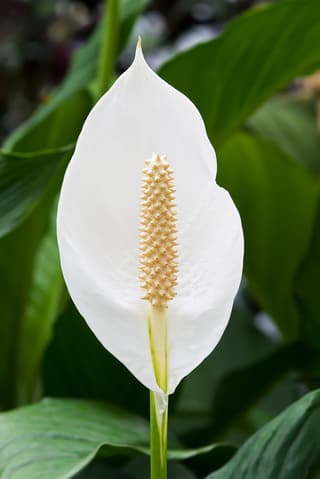
| Peace Lily | Easy | Low light | 4d | ⚠️ |
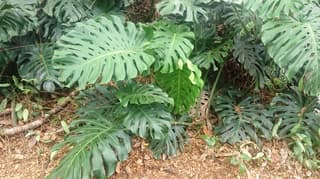
| Swiss Cheese Plant | Easy | Partial shade | 10d | ⚠️ |
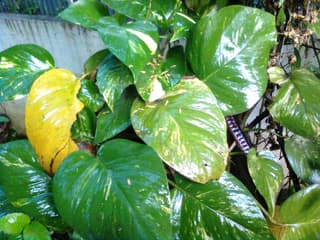
| Golden Pothos | Easy | Low light | 8d | ⚠️ |
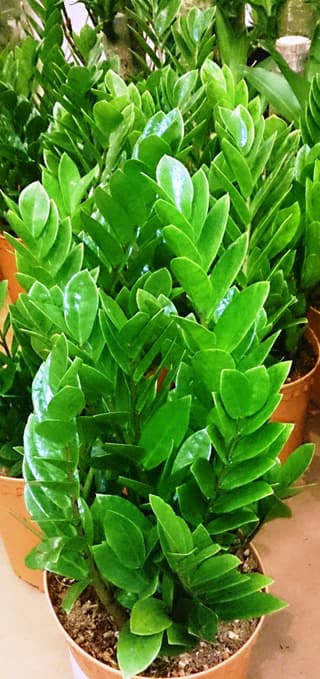
| ZZ Plant | Easy | Low light | 18d | ⚠️ |