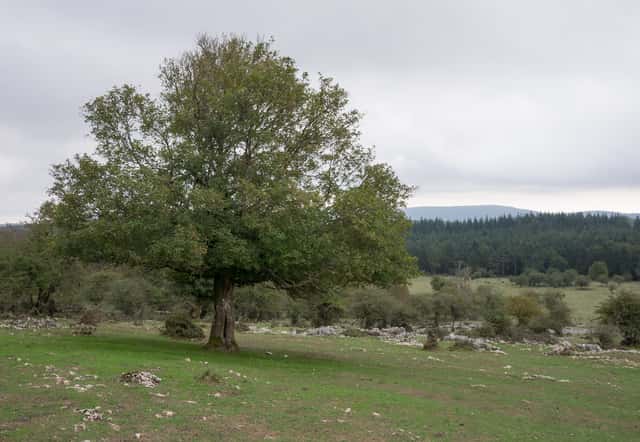
Sapindaceae
Field Maple: Medicinal Uses & Care Tips
Acer campestre
The Field Maple is a robust and low-maintenance tree that performs well in most soil types and light conditions. It thrives best in full sun to partial shade with well-drained, loamy soil with a neutral to slightly alkaline pH. Established trees are drought-tolerant and only require watering during severe drought. Pruning is not necessary but is well-tolerated for hedge shaping.
Every 14 days
Bright indirect
-20° - 35°C
40% - 70%
Categories
What is Field Maple?
Field Maple (Acer campestre) is a easy-care plant from the Sapindaceae family. The Field Maple (Acer campestre) is a medium-sized deciduous tree native to Europe, Southwest Asia, and North Africa. It is Denmark's only native maple and thrives in forest edges, hedges, and open landscapes. The Field Maple is recognized by its characteristic bark with corky ridges and five-lobed...
Field Maple grows up to 15.0m, spread of 700cm, watering every 14 days, -20°C – 35°C, 40–70% humidity. It is not suitable for indoor environments and safe for pets.
Unlike many tropical plants, Field Maple tolerates watering mistakes. Best for beginners. Unlike many popular species, Field Maple is safe to keep around pets.
How to Care for Field Maple?
TLDR: Field Maple needs Bright indirect, watering every 14 days, and temperatures between -20-35°C with 40-70% humidity.
How Often Should You Water Field Maple?
Water newly planted Field Maples thoroughly once a week during the first year. Once the tree is established, it is drought-tolerant and can survive on rainfall alone, except during prolonged drought, where watering every 2 weeks is recommended.
How Much Light Does Field Maple Need?
Field Maple thrives in full sun to light partial shade and requires at least 4–6 hours of direct sunlight daily. It tolerates shade better than many other maple trees and can grow in forest edge conditions.
What Is the Best Soil for Field Maple?
Field Maple is adaptable and grows in sandy, silty, and clayey soil types. It prefers neutral to slightly alkaline soil (pH 6.0–8.0) and thrives particularly well on calcareous loam with good drainage. Avoid stagnant water at the roots.
What Is Field Maple and Where Does It Come From?
The Field Maple (Acer campestre) is a medium-sized deciduous tree native to Europe, Southwest Asia, and North Africa. It is Denmark's only native maple and thrives in forest edges, hedges, and open landscapes. The Field Maple is recognized by its characteristic bark with corky ridges and five-lobed leaves that turn golden yellow and orange-red in autumn. The tree is extremely hardy, tolerates pollution and wind, and is particularly well-suited as a hedge and avenue plant. It grows up to 15–25 meters and lives for many hundreds of years.
How to Propagate Field Maple?
How Big Does Field Maple Grow?
TLDR: Field Maple can reach up to 15.0m tall with Fast growth rate.
Max height
15.0m
Spread
7.0m
Growth rate
Fast
Foliage
Deciduous
Plant Uses
Ornamental
Great for decoration
Medicinal
Medicinal properties
Medicinal Uses
- The bark has traditionally been used in folk medicine as an astringent
- Sap from the trunk can be tapped as maple syrup in small quantities
Culinary Uses
- The sap from the trunk can be boiled down into syrup as an alternative to sugar
Is your plant showing symptoms?
Click on the symptom to discover possible causes:
What Diseases Commonly Affect Field Maple?
TLDR: Field Maple is susceptible to 8 known diseases. Monitor regularly for early detection.
Powdery Mildew
Powdery mildew is a common fungal disease caused by various fungi species including Erysiphe, Podosphaera, Oïdium, and Leveillula. It affects over 10,000 plant species worldwide. The disease thrives in warm, dry climates with high humidity and appears as a distinctive white powdery coating on plant surfaces.
Root Rot
Root rot is a serious fungal disease that affects the root system of plants, causing them to decay and die. It is primarily caused by overwatering, poor drainage, or soil-borne fungi such as Pythium, Phytophthora, Rhizoctonia, and Fusarium. The disease thrives in waterlogged conditions where roots are deprived of oxygen, making them susceptible to fungal infection.
Anthracnose
Anthracnose is a fungal disease caused by fungi in the genus Colletotrichum that affects many plants, including vegetables, fruits, and trees. The disease thrives in cool, wet conditions, causing dark, sunken lesions on leaves, stems, flowers, and fruits.
Leaf Spot
Leaf spot is a common fungal disease caused by various pathogens including Alternaria, Ascochyta, Colletotrichum, Septoria, and Venturia. It primarily affects leaves, causing discolored spots that can lead to premature leaf drop if left untreated.
Meaning & Symbolism
In European folklore, the Field Maple is associated with protection and endurance. In England, the tree was traditionally used to keep out evil spirits and symbolizes hardiness and being grounded.
Compare with similar plants
| Attribute | Difficulty | Light | Watering | Pet Safe |
|---|---|---|---|---|
| Cushion Bush | Easy | Direct sun | 14d | ✓ |
| Chilean Cacti | Easy | Direct sun | 14d | ✓ |
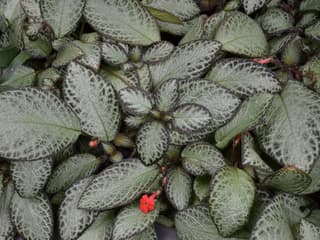
| Flame Violet | Easy | Partial shade | 7d | ✓ |
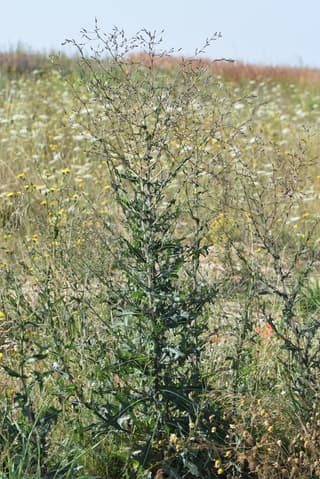
| Prickly Lettuce | Easy | Direct sun | 7d | ✓ |