Amaranthaceae
Joseph's Coat: The Vibrant Purple Foliage Plant
Alternanthera dentata
Full sun to part shade, moderate watering keeping soil consistently moist but not soggy, well-draining fertile soil.
Every 4 days
Bright indirect
15° - 30°C
40% - 60%
Categories
What is Joseph's Coat?
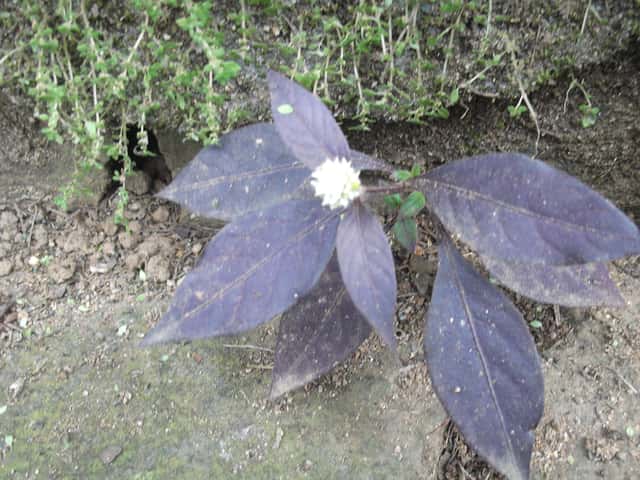
Joseph's Coat (Alternanthera dentata) is a easy-care plant from the Amaranthaceae family. Alternanthera dentata is a tropical perennial prized for its vibrant burgundy-to-purple foliage. Native to South America, it forms dense mounds and works beautifully as ground cover or border plant. The leaves retain their rich color best in full sun.
Joseph's Coat grows up to 90cm, spread of 90cm, watering every 4 days, 15°C – 30°C, 40–60% humidity. It is suitable for indoor environments and safe for pets.
Unlike many tropical plants, Joseph's Coat tolerates watering mistakes. Best for beginners. Unlike many popular species, Joseph's Coat is safe to keep around pets. Without adequate drainage, root rot can develop within 8 days.
How to Care for Joseph's Coat?
TLDR: Joseph's Coat needs Bright indirect, watering every 4 days, and temperatures between 15-30°C with 40-60% humidity.
How Often Should You Water Joseph's Coat?
Water when the top 2 cm of soil feels dry, typically 2-3 times per week in summer.
How Much Light Does Joseph's Coat Need?
Full sun intensifies the purple foliage; partial shade tolerated but reduces color vibrancy.
What Is the Best Soil for Joseph's Coat?
Well-draining, organic-rich soil with slightly acidic to neutral pH (5.5-7.5).
What Pot Should You Use for Joseph's Coat?
Ceramic or plastic pot with drainage holes, at least 20 cm diameter.
Care Schedule
Fertilize
Every 21 days
Repot
Every 365 days
What Is Joseph's Coat and Where Does It Come From?
Alternanthera dentata is a tropical perennial prized for its vibrant burgundy-to-purple foliage. Native to South America, it forms dense mounds and works beautifully as ground cover or border plant. The leaves retain their rich color best in full sun.
How to Propagate Joseph's Coat?
Stem cutting
Use clean tools. Refresh water every 3 days when rooting in water.
- 1 Cut 10-15 cm stems from healthy tips
- 2 Remove lower leaves
- 3 Place in water or moist substrate
- 4 Keep warm and bright
Materials needed:
How Big Does Joseph's Coat Grow?
TLDR: Joseph's Coat can reach up to 90cm tall with Fast growth rate.
Max height
90cm
Spread
90cm
Growth rate
Fast
Foliage
Evergreen
Plant Uses
Ornamental
Great for decoration
Ground Cover
Soil coverage
Is your plant showing symptoms?
Click on the symptom to discover possible causes:
What Diseases Commonly Affect Joseph's Coat?
TLDR: Joseph's Coat is susceptible to 6 known diseases. Monitor regularly for early detection.
Aphids
Aphids are small, soft-bodied, pear-shaped insects (1/16 to 1/8 inch long) that feed by sucking nutrient-rich sap from plants. They reproduce rapidly and can quickly weaken plants, causing distorted growth and transmitting plant viruses. Aphids come in various colors including green, black, red, yellow, brown, and gray. They secrete honeydew, a sticky substance that attracts ants and encourages sooty mold growth.
Spider Mites
Spider mites are tiny arachnids (less than 1/20 inch long) related to spiders and ticks that feed on plant sap. They thrive in hot, dry conditions and can cause significant damage to ornamental and vegetable plants. During severe infestations, crop losses can reach 14% or higher as these pests disrupt vital plant processes including photosynthesis, carbon dioxide absorption, and transpiration.
Slugs and Snails
Slugs and snails are mollusks that feed on plant tissue, causing irregular holes in leaves and damage to young seedlings. They are most active at night and in moist conditions, leaving characteristic silvery slime trails. These pests can quickly devastate gardens, especially during wet seasons.
Caterpillars
Caterpillars are the larval stage of moths and butterflies that feed voraciously on plant foliage, stems, flowers, and fruits. Common species include cabbage loopers, tomato hornworms, armyworms, and cutworms. These pests can cause extensive damage by consuming large amounts of plant tissue in a short time. They vary in size from small (1/4 inch) to large (5 inches), with colors ranging from green to brown, often featuring stripes or spots. Caterpillars are highly mobile and can quickly spread throughout gardens, making them one of the most destructive common pests.
Meaning & Symbolism
Symbol of vibrancy and resilience in tropical gardens.
Fun Facts
The purple foliage comes from anthocyanin pigments that protect against UV light
Can reach up to 90 cm tall forming dense mounds
Tolerates frequent pruning to stay compact and bushy
Frequently asked questions
Is Joseph's Coat toxic to pets?
How do I keep the purple color vivid?
Can I grow it indoors?
How often should I water?
Compare with similar plants
| Attribute | Difficulty | Light | Watering | Pet Safe |
|---|---|---|---|---|
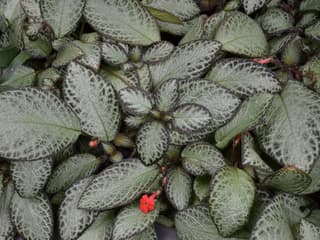
| Flame Violet | Easy | Partial shade | 7d | ✓ |
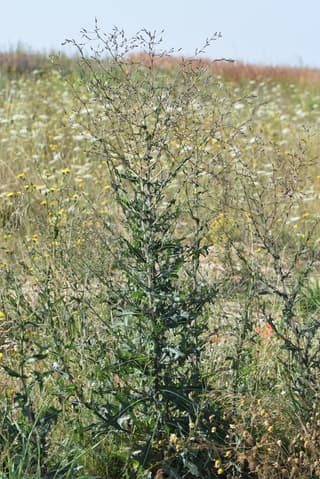
| Prickly Lettuce | Easy | Direct sun | 7d | ✓ |
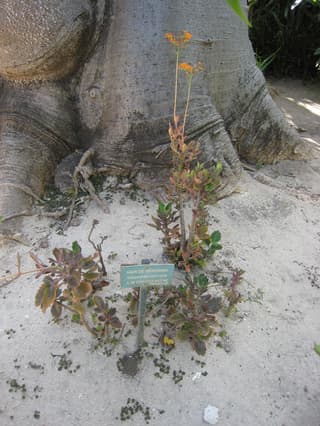
| Christmas Tree Plant | Easy | Bright indirect | 10d | ⚠️ |
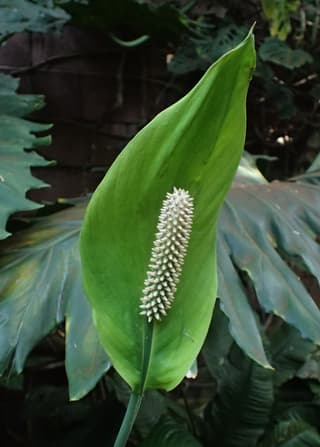
| Peace Lily | Easy | Low light | 7d | ⚠️ |