Arecaceae
Christmas Palm: Full Sun Plant
Adonidia merrillii
Requires abundant sunlight and regular watering, keeping the soil moist but never waterlogged. It is sensitive to extreme cold and frost.
Every 8 days
Direct sun
10° - 38°C
60% - 85%
Categories
What is Christmas Palm?
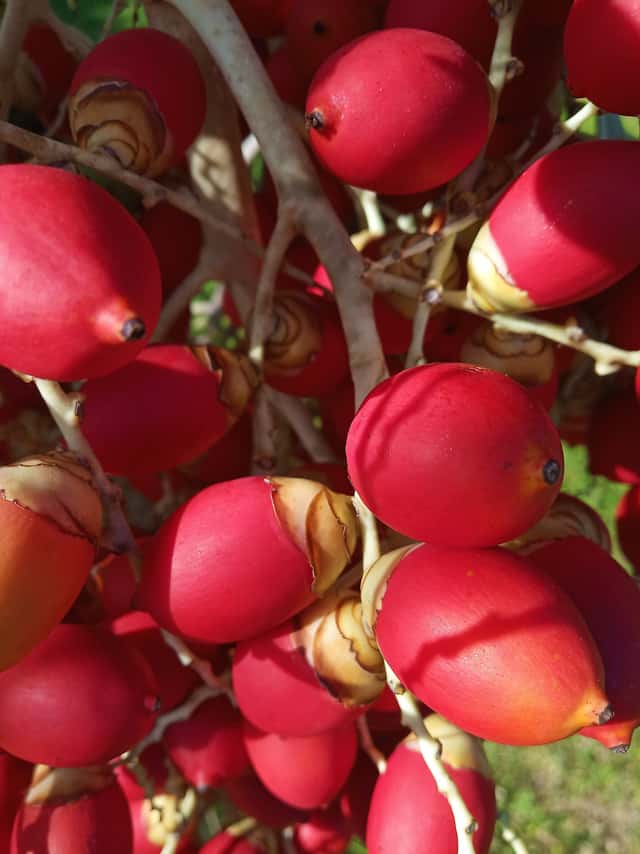
Christmas Palm (Adonidia merrillii) is a easy-care plant from the Arecaceae family. Adonidia merrillii, commonly known as the Christmas Palm, is an elegant and compact species native to the Philippines. It is distinguished by its smooth, single trunk and, most notably, its large clusters of berries that turn bright red in winter, resembling Christmas ornaments. It is one of the wor...
Christmas Palm grows up to 7.6m, with spread of 240cm, watering every 8 days, 10°C – 38°C, 60–85% humidity. It is suitable for indoor environments and safe for pets.
Unlike many tropical plants, Christmas Palm tolerates watering mistakes. Best for beginners. Unlike many popular species, Christmas Palm is safe to keep around pets. Without adequate drainage, root rot can develop within 16 days.
How to Care for Christmas Palm?
TLDR: Christmas Palm needs Direct sun, watering every 8 days, and temperatures between 10-38°C with 60-85% humidity.
How Often Should You Water Christmas Palm?
Water deeply until water flows out of the drainage holes, but wait for the top inch (2-3 cm) of soil to dry out before watering again.
How Much Light Does Christmas Palm Need?
For indoor specimens, place them near windows with direct sun or very bright light to prevent the leaves from becoming pale.
What Is the Best Soil for Christmas Palm?
Prefer a sandy soil mix rich in organic matter that allows for fast drainage.
What Pot Should You Use for Christmas Palm?
Large ceramic or polyethylene pots with generous drainage holes to prevent water from pooling at the roots.
Care Schedule
Fertilize
Every 90 days
Misting
Every 3 days
Rotate
Every 30 days
Repot
Every 730 days
What Is Christmas Palm and Where Does It Come From?
Adonidia merrillii, commonly known as the Christmas Palm, is an elegant and compact species native to the Philippines. It is distinguished by its smooth, single trunk and, most notably, its large clusters of berries that turn bright red in winter, resembling Christmas ornaments. It is one of the world's most popular ornamental palms for tropical landscapes and bright indoor spaces.
How to Propagate Christmas Palm?
Seed Sowing
- Keep the substrate consistently moist but not saturated
- Using a humidity dome or a plastic bag over the pot helps maintain the necessary moisture
- 1 Harvesting and Cleaning
Harvest the fruits when they are completely red and remove all the fleshy pulp to extract the seed.
- 2 Scarification and Soaking
Soak the seeds in warm water for 48 hours, changing the water every 24 hours.
- 3 Planting
Sow in a light seed-starting mix and maintain a constant temperature between 77-86°F (25-30°C).
Materials needed:
How Big Does Christmas Palm Grow?
TLDR: Christmas Palm can reach up to 7.6m tall with Medium growth rate.
Max height
7.6m
Spread
2.4m
Growth rate
Medium
Foliage
Evergreen
Plant Uses
Ornamental
Great for decoration
Air Purifying
Improves air quality
Is your plant showing symptoms?
Click on the symptom to discover possible causes:
What Diseases Commonly Affect Christmas Palm?
TLDR: Christmas Palm is susceptible to 17 known diseases. Monitor regularly for early detection.
Leaf Spot
Leaf spot is a common fungal disease caused by various pathogens including Alternaria, Ascochyta, Colletotrichum, Septoria, and Venturia. It primarily affects leaves, causing discolored spots that can lead to premature leaf drop if left untreated.
Scale Insects
Scale insects are small sap-sucking pests that appear as brown, shell-like bumps on plant stems and leaves. There are over 25 species, divided into armored (hard) and unarmored (soft) scales. They feed by piercing plant tissue and extracting sap, which weakens the plant and can lead to yellowing, stunted growth, and even death if left untreated. They also excrete honeydew, which attracts ants and promotes sooty mold growth.
Mealybugs
Mealybugs are small, soft-bodied insects covered with a white, waxy, cottony material. They are common pests of houseplants and outdoor plants in mild climates. These sap-sucking insects feed on plant tissue, causing damage, stunted growth, and can lead to plant death if left untreated. They produce sticky honeydew which attracts sooty mold.
Spider Mites
Spider mites are tiny arachnids (less than 1/20 inch long) related to spiders and ticks that feed on plant sap. They thrive in hot, dry conditions and can cause significant damage to ornamental and vegetable plants. During severe infestations, crop losses can reach 14% or higher as these pests disrupt vital plant processes including photosynthesis, carbon dioxide absorption, and transpiration.
Meaning & Symbolism
Associated with celebration, hospitality, and prosperity due to its vibrant fruiting.
Compare with similar plants
| Attribute | Difficulty | Light | Watering | Pet Safe |
|---|---|---|---|---|
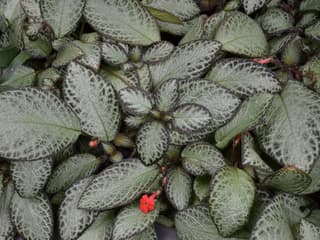
| Flame Violet | Easy | Partial shade | 7d | ✓ |
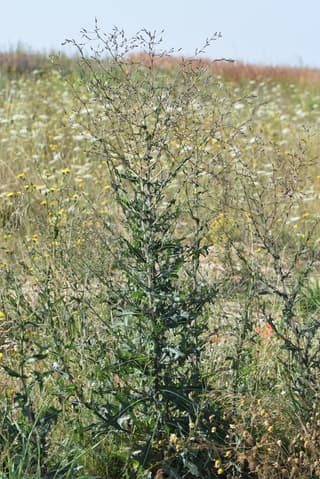
| Prickly Lettuce | Easy | Direct sun | 7d | ✓ |
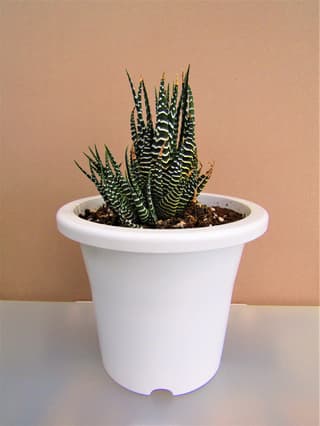
| Haworthiopsis (genus) | Easy | Partial shade | 14d | ✓ |
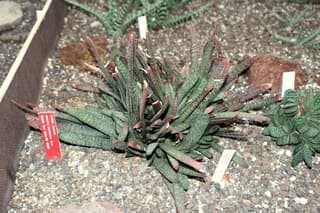
| Gasteria (genus) | Easy | Partial shade | 14d | ✓ |