Apocynaceae
hammock viper's-tail: Full Sun Plant
Pentalinon luteum
This tropical vine thrives in high light conditions and requires well-draining soil with consistent moisture. It needs a trellis or support structure to climb effectively.
Every 7 days
Direct sun
10° - 38°C
40% - 80%
Categories
What is hammock viper's-tail?
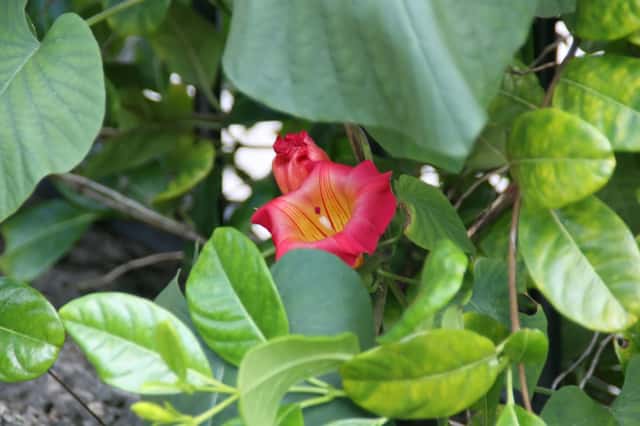
hammock viper's-tail (Pentalinon luteum) is a easy-care plant from the Apocynaceae family. Pentalinon luteum, commonly known as hammock viper's-tail or wild allamanda, is a vigorous evergreen woody vine native to Florida, the Bahamas, and the Caribbean. It is prized for its glossy, leathery elliptical leaves and its prolific production of bright yellow, funnel-shaped flowers that resemble...
hammock viper's-tail grows up to 6.1m, watering every 7 days, 10°C – 38°C, 40–80% humidity. It is not suitable for indoor environments and not safe for pets.
Unlike many tropical plants, hammock viper's-tail tolerates watering mistakes. Best for beginners. Without precautions, ingestion can cause irritation in pets. Keep out of reach of cats and dogs.
How to Care for hammock viper's-tail?
TLDR: hammock viper's-tail needs Direct sun, watering every 7 days, and temperatures between 10-38°C with 40-80% humidity.
How Often Should You Water hammock viper's-tail?
Water thoroughly when the top inch of soil feels dry. During the winter months, reduce watering frequency as the plant's growth slows down.
How Much Light Does hammock viper's-tail Need?
For the best flowering results, place in a location that receives at least 6 hours of direct sunlight daily. It can tolerate partial shade but will produce fewer blooms.
What Is the Best Soil for hammock viper's-tail?
Use a rich, loamy potting mix amended with perlite or coarse sand to ensure rapid drainage while retaining some moisture.
What Pot Should You Use for hammock viper's-tail?
A large, heavy ceramic or terracotta pot with excellent drainage is recommended to prevent the vine from tipping over as it grows.
Care Schedule
Fertilize
Every 30 days
What Is hammock viper's-tail and Where Does It Come From?
Pentalinon luteum, commonly known as hammock viper's-tail or wild allamanda, is a vigorous evergreen woody vine native to Florida, the Bahamas, and the Caribbean. It is prized for its glossy, leathery elliptical leaves and its prolific production of bright yellow, funnel-shaped flowers that resemble those of the true Allamanda. While it is a beautiful ornamental climber, it is important to note that all parts of the plant contain milky sap that can be irritating to the skin and toxic if ingested.
How to Propagate hammock viper's-tail?
Stem Cuttings
- Wear gloves when taking cuttings to avoid irritation from the milky sap.
- Keep the medium consistently moist but not soggy during the rooting process.
- 1 Select a Cutting
Take a 4-6 inch cutting from a semi-hardwood stem that is healthy and free of pests.
- 2 Prepare the Stem
Remove the lower leaves and dip the cut end into rooting hormone powder.
- 3 Planting
Insert the cutting into a moist mixture of peat and perlite, ensuring at least one node is buried.
- 4 Humidity and Heat
Cover the pot with a plastic bag to maintain high humidity and place in a warm, bright spot out of direct sunlight.
Materials needed:
How Big Does hammock viper's-tail Grow?
TLDR: hammock viper's-tail can reach up to 6.1m tall with Fast growth rate.
Max height
6.1m
Growth rate
Fast
Foliage
Evergreen
Warning: Toxic Plant
This plant can be toxic if ingested. Keep out of reach of:
Plant Uses
Ornamental
Great for decoration
Is your plant showing symptoms?
Click on the symptom to discover possible causes:
What Diseases Commonly Affect hammock viper's-tail?
TLDR: hammock viper's-tail is susceptible to 7 known diseases. Monitor regularly for early detection.
Root Rot
Root rot is a serious fungal disease that affects the root system of plants, causing them to decay and die. It is primarily caused by overwatering, poor drainage, or soil-borne fungi such as Pythium, Phytophthora, Rhizoctonia, and Fusarium. The disease thrives in waterlogged conditions where roots are deprived of oxygen, making them susceptible to fungal infection.
Powdery Mildew
Powdery mildew is a common fungal disease caused by various fungi species including Erysiphe, Podosphaera, Oïdium, and Leveillula. It affects over 10,000 plant species worldwide. The disease thrives in warm, dry climates with high humidity and appears as a distinctive white powdery coating on plant surfaces.
Aphids
Aphids are small, soft-bodied, pear-shaped insects (1/16 to 1/8 inch long) that feed by sucking nutrient-rich sap from plants. They reproduce rapidly and can quickly weaken plants, causing distorted growth and transmitting plant viruses. Aphids come in various colors including green, black, red, yellow, brown, and gray. They secrete honeydew, a sticky substance that attracts ants and encourages sooty mold growth.
Spider Mites
Spider mites are tiny arachnids (less than 1/20 inch long) related to spiders and ticks that feed on plant sap. They thrive in hot, dry conditions and can cause significant damage to ornamental and vegetable plants. During severe infestations, crop losses can reach 14% or higher as these pests disrupt vital plant processes including photosynthesis, carbon dioxide absorption, and transpiration.
Meaning & Symbolism
In some Caribbean cultures, yellow flowering vines are associated with sunshine, joy, and the endurance of the tropical spirit.
Compare with similar plants
| Attribute | Difficulty | Light | Watering | Pet Safe |
|---|---|---|---|---|
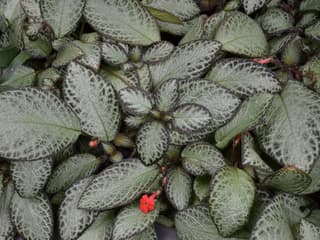
| Flame Violet | Easy | Partial shade | 7d | ✓ |
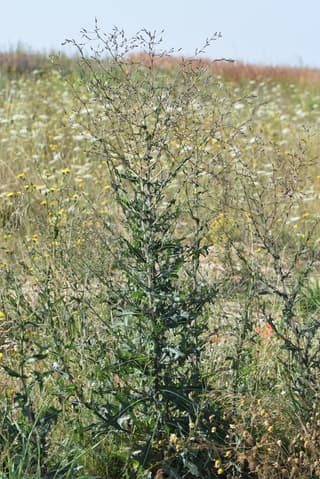
| Prickly Lettuce | Easy | Direct sun | 7d | ✓ |
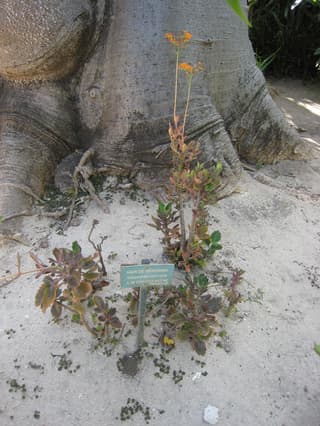
| Christmas Tree Plant | Easy | Bright indirect | 10d | ⚠️ |
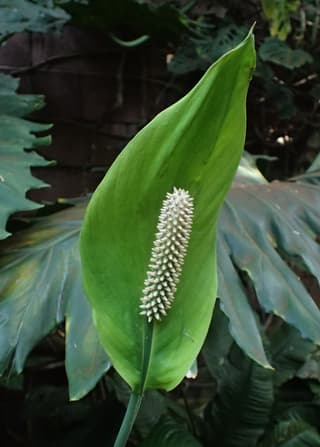
| Peace Lily | Easy | Low light | 7d | ⚠️ |