Asparagaceae
Dragon Blood Tree (Dracaena draco): Complete Care Guide
Dracaena draco
A low-maintenance, resilient plant. Provide bright light, infrequent watering, and well-draining soil. Excellent as a striking indoor statement plant or in warm outdoor landscapes.
Every 14 days
Bright indirect
10° - 27°C
30% - 60%
Categories
What is Dragon Blood Tree?
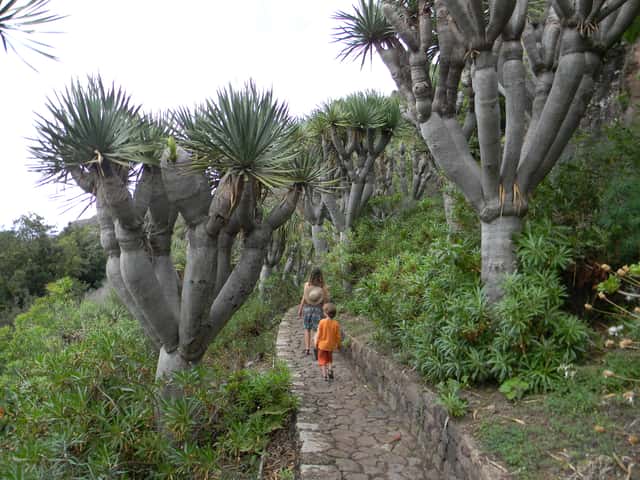
Dragon Blood Tree (Dracaena draco) is a easy-care plant from the Asparagaceae family. The Dragon Blood Tree (Dracaena draco) is an iconic, slow-growing tree native to the Canary Islands and Madeira, renowned for its dramatic umbrella-shaped canopy and the legendary red resin known as "dragon's blood." It can live for hundreds to over a thousand years, making it one of the world's mos...
Dragon Blood Tree grows up to 7.6m, spread of 900cm, watering every 14 days, 10°C – 27°C, 30–60% humidity. It is suitable for indoor environments and not safe for pets.
Unlike many tropical plants, Dragon Blood Tree tolerates watering mistakes. Best for beginners. Without precautions, ingestion can cause irritation in pets. Keep out of reach of cats and dogs. Without adequate drainage, root rot can develop within 28 days.
How to Care for Dragon Blood Tree?
TLDR: Dragon Blood Tree needs Bright indirect, watering every 14 days, and temperatures between 10-27°C with 30-60% humidity.
How Often Should You Water Dragon Blood Tree?
Water only when the top 2-3 cm of soil is dry. This plant is highly drought-tolerant — always err on the side of underwatering. Use filtered or rainwater to avoid fluoride sensitivity.
How Much Light Does Dragon Blood Tree Need?
Prefers bright indirect light to full sun. Avoid intense, prolonged direct sun that may scorch leaves. Indoors, place near a south or west-facing window for best results.
What Is the Best Soil for Dragon Blood Tree?
Use a well-draining mix such as a cactus or succulent blend. Good drainage is critical to prevent root rot. Allow soil to dry out between waterings.
What Pot Should You Use for Dragon Blood Tree?
Terracotta or ceramic pots with drainage holes are ideal to allow soil aeration and prevent waterlogging.
Care Schedule
Fertilize
Every 60 days
Rotate
Every 90 days
Repot
Every 730 days
What Is Dragon Blood Tree and Where Does It Come From?
The Dragon Blood Tree (Dracaena draco) is an iconic, slow-growing tree native to the Canary Islands and Madeira, renowned for its dramatic umbrella-shaped canopy and the legendary red resin known as "dragon's blood." It can live for hundreds to over a thousand years, making it one of the world's most extraordinary long-lived plants.
How Big Does Dragon Blood Tree Grow?
TLDR: Dragon Blood Tree can reach up to 7.6m tall with Slow growth rate.
Max height
7.6m
Spread
9.0m
Growth rate
Slow
Foliage
Evergreen
Warning: Toxic Plant
This plant can be toxic if ingested. Keep out of reach of:
Plant Uses
Ornamental
Great for decoration
Air Purifying
Improves air quality
Medicinal
Medicinal properties
Medicinal Uses
- "Dragon's blood" resin was historically used as an antiseptic, wound healer, and pigment in paints and varnishes across many cultures.
Is your plant showing symptoms?
Click on the symptom to discover possible causes:
What Diseases Commonly Affect Dragon Blood Tree?
TLDR: Dragon Blood Tree is susceptible to 8 known diseases. Monitor regularly for early detection.
Root Rot
Root rot is a serious fungal disease that affects the root system of plants, causing them to decay and die. It is primarily caused by overwatering, poor drainage, or soil-borne fungi such as Pythium, Phytophthora, Rhizoctonia, and Fusarium. The disease thrives in waterlogged conditions where roots are deprived of oxygen, making them susceptible to fungal infection.
Scale Insects
Scale insects are small sap-sucking pests that appear as brown, shell-like bumps on plant stems and leaves. There are over 25 species, divided into armored (hard) and unarmored (soft) scales. They feed by piercing plant tissue and extracting sap, which weakens the plant and can lead to yellowing, stunted growth, and even death if left untreated. They also excrete honeydew, which attracts ants and promotes sooty mold growth.
Spider Mites
Spider mites are tiny arachnids (less than 1/20 inch long) related to spiders and ticks that feed on plant sap. They thrive in hot, dry conditions and can cause significant damage to ornamental and vegetable plants. During severe infestations, crop losses can reach 14% or higher as these pests disrupt vital plant processes including photosynthesis, carbon dioxide absorption, and transpiration.
Mealybugs
Mealybugs are small, soft-bodied insects covered with a white, waxy, cottony material. They are common pests of houseplants and outdoor plants in mild climates. These sap-sucking insects feed on plant tissue, causing damage, stunted growth, and can lead to plant death if left untreated. They produce sticky honeydew which attracts sooty mold.
Meaning & Symbolism
A symbol of power and resilience. Its red resin, "dragon's blood," has been prized for centuries in traditional medicine, dyes, varnishes, and ceremonial use.
Fun Facts
The Dragon Blood Tree can live for over 1,000 years, making it one of the oldest living organisms on Earth.
Its umbrella-shaped crown is an adaptation to channel moisture from clouds and mist in its Atlantic island habitat.
It is a protected species in its native Canary Islands and is considered vulnerable due to habitat loss.
Compare with similar plants
| Attribute | Difficulty | Light | Watering | Pet Safe |
|---|---|---|---|---|
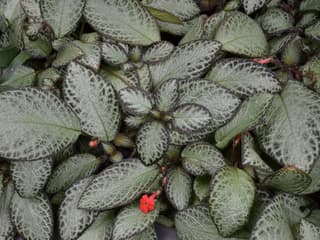
| Flame Violet | Easy | Partial shade | 7d | ✓ |
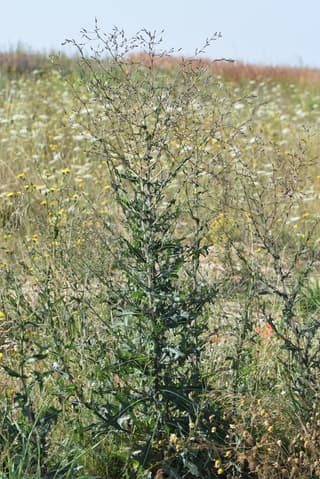
| Prickly Lettuce | Easy | Direct sun | 7d | ✓ |
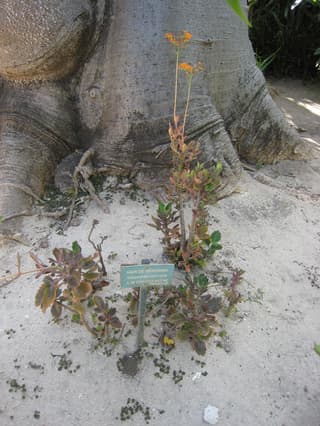
| Christmas Tree Plant | Easy | Bright indirect | 10d | ⚠️ |
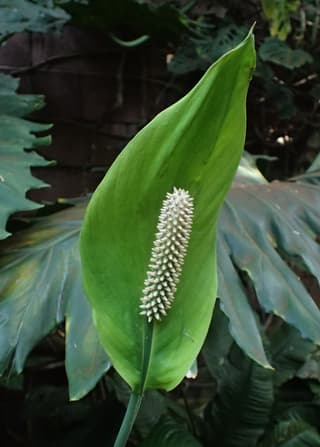
| Peace Lily | Easy | Low light | 7d | ⚠️ |