Brassicaceae
Bittercress – Cardamine Genus
Cardamine
Easy-care plants preferring consistently moist soil and partial shade to full sun. Ideal for naturalistic gardens and damp spots. Hardy to USDA zone 3. Minimal fertilization needed.
Every 5 days
Partial shade
-20° - 25°C
50% - 80%
Categories
What is Bittercress?
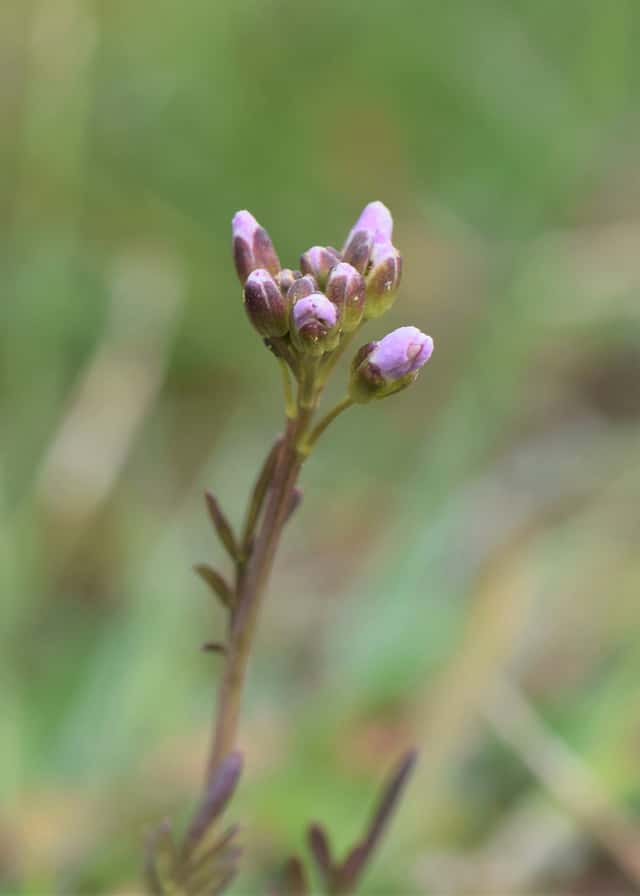
Bittercress (Cardamine) is a easy-care plant from the Brassicaceae family. Cardamine is a large genus of herbs in the mustard family Brassicaceae, comprising over 200 annual and perennial species distributed across temperate and cool regions worldwide. Notable species include C. pratensis (cuckoo flower / lady's smock) and C. hirsuta (hairy bittercress). These low-maintena...
Bittercress grows up to 60cm, with spread of 50cm, watering every 5 days, -20°C – 25°C, 50–80% humidity. It is not suitable for indoor environments and safe for pets.
Unlike many tropical plants, Bittercress tolerates watering mistakes. Best for beginners. Unlike many popular species, Bittercress is safe to keep around pets.
How to Care for Bittercress?
TLDR: Bittercress needs Partial shade, watering every 5 days, and temperatures between -20-25°C with 50-80% humidity.
How Often Should You Water Bittercress?
Keep soil consistently moist, especially during the flowering season in spring. Water when the top layer begins to dry. Avoid prolonged waterlogging to prevent root rot.
How Much Light Does Bittercress Need?
Prefers partial shade but tolerates full sun in cooler climates. In hot or sunny sites, ensure soil remains moist to prevent wilting.
What Is the Best Soil for Bittercress?
Use rich, humus-rich soil with good drainage that retains moisture. pH 5.1–7.8. Tolerates clay or sandy soils with adequate organic matter.
What Pot Should You Use for Bittercress?
Terracotta or well-draining outdoor container; best suited for garden beds or pond margins.
What Is Bittercress and Where Does It Come From?
Cardamine is a large genus of herbs in the mustard family Brassicaceae, comprising over 200 annual and perennial species distributed across temperate and cool regions worldwide. Notable species include C. pratensis (cuckoo flower / lady's smock) and C. hirsuta (hairy bittercress). These low-maintenance plants are valued in wildflower gardens, moist borders, and as ground cover.
How Big Does Bittercress Grow?
TLDR: Bittercress can reach up to 60cm tall with Medium growth rate.
Max height
60cm
Spread
50cm
Growth rate
Medium
Foliage
Deciduous
Plant Uses
Ornamental
Great for decoration
Edible
Can be consumed
Medicinal
Medicinal properties
Ground Cover
Soil coverage
Medicinal Uses
- Used in traditional herbal medicine as a gentle digestive and mild anti-inflammatory
- Applied topically for minor skin conditions
Culinary Uses
- Young leaves eaten raw in salads with a peppery watercress-like flavor
- Roots are edible raw or cooked
- Used as a watercress substitute in soups and stews
Is your plant showing symptoms?
Click on the symptom to discover possible causes:
What Diseases Commonly Affect Bittercress?
TLDR: Bittercress is susceptible to 7 known diseases. Monitor regularly for early detection.
Powdery Mildew
Powdery mildew is a common fungal disease caused by various fungi species including Erysiphe, Podosphaera, Oïdium, and Leveillula. It affects over 10,000 plant species worldwide. The disease thrives in warm, dry climates with high humidity and appears as a distinctive white powdery coating on plant surfaces.
Downy Mildew
Downy mildew is a fungal-like disease caused by oomycetes (water molds) that thrives in cool, wet conditions. It affects a wide range of plants, causing yellowing leaves with fuzzy white-gray growth underneath, leading to defoliation and reduced yields if left untreated.
Rust
Rust is a common fungal disease caused by fungi in the order Pucciniales that affects a wide variety of plants. The disease gets its name from the characteristic orange, yellow, or reddish-brown pustules that appear on leaves, resembling metal rust. This obligate fungal parasite requires living plants to survive and can cause significant economic losses in agricultural crops.
Aphids
Aphids are small, soft-bodied, pear-shaped insects (1/16 to 1/8 inch long) that feed by sucking nutrient-rich sap from plants. They reproduce rapidly and can quickly weaken plants, causing distorted growth and transmitting plant viruses. Aphids come in various colors including green, black, red, yellow, brown, and gray. They secrete honeydew, a sticky substance that attracts ants and encourages sooty mold growth.
Meaning & Symbolism
Associated with the arrival of spring and renewal. In British tradition, C. pratensis (cuckoo flower) is said to bloom when the first cuckoo calls.
Fun Facts
Hairy bittercress (C. hirsuta) is one of the most common cool-season weeds in container nurseries
C. pratensis is a host plant for the orange-tip butterfly (Anthocharis cardamines)
Some Cardamine species can bloom even under light snow
Frequently asked questions
Is Cardamine toxic to pets?
How often should I water Cardamine?
Where should I plant Cardamine?
Compare with similar plants
| Attribute | Difficulty | Light | Watering | Pet Safe |
|---|---|---|---|---|
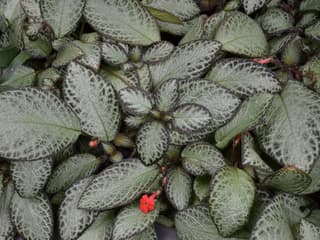
| Flame Violet | Easy | Partial shade | 7d | ✓ |
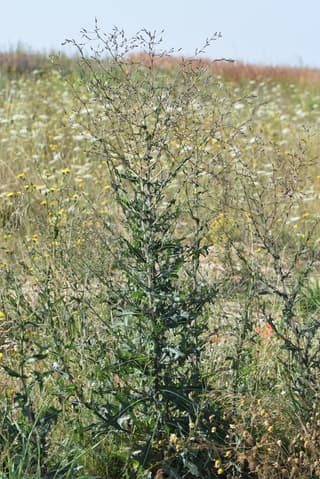
| Prickly Lettuce | Easy | Direct sun | 7d | ✓ |
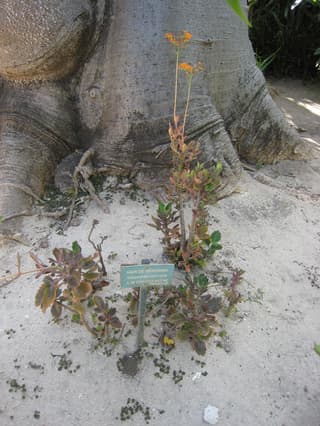
| Christmas Tree Plant | Easy | Bright indirect | 10d | ⚠️ |
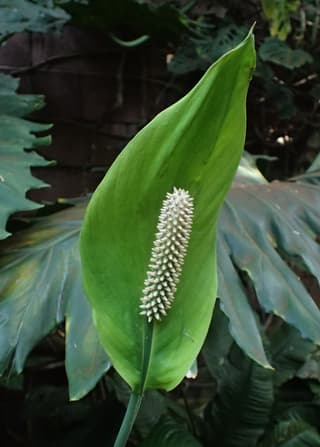
| Peace Lily | Easy | Low light | 7d | ⚠️ |