Ulmaceae
Chinese Elm: Pet-Safe Plant
Ulmus parvifolia
The Chinese Elm is a robust and adaptable species, ideal for both beginners and bonsai enthusiasts. It requires full sun exposure (at least 6 hours of direct sunlight per day) for optimal development, although it tolerates partial shade in very hot climates. Watering should be moderate and regular: water when the top few centimeters of the substrate are dry, without allowing waterlogging. It can withstand brief periods of drought once established. Pruning is preferably done in late winter or spring to stimulate dense branching. It adapts to a wide range of soils as long as they have good drainage.
Every 10 days
Bright indirect
-15° - 40°C
40% - 70%
Categories
What is Chinese Elm?
Chinese Elm (Ulmus parvifolia) is a easy-care plant from the Ulmaceae family. Ulmus parvifolia, commonly known as the Chinese Elm or Lacebark Elm, is a deciduous to semi-evergreen tree native to East Asia (China, Japan, and Korea), where it can reach heights of 10 to 15 meters in natural conditions. Its most striking feature is the bark: as it matures, it exfoliates in irregu...
Chinese Elm grows up to 15.0m, spread of 1200cm, watering every 10 days, -15°C – 40°C, 40–70% humidity. It is suitable for indoor environments and safe for pets.
Unlike many tropical plants, Chinese Elm tolerates watering mistakes. Best for beginners. Unlike many popular species, Chinese Elm is safe to keep around pets. Without adequate drainage, root rot can develop within 20 days.
How to Care for Chinese Elm?
TLDR: Chinese Elm needs Bright indirect, watering every 10 days, and temperatures between -15-40°C with 40-70% humidity.
How Often Should You Water Chinese Elm?
Water the Chinese Elm every 7–14 days depending on the temperature and substrate type, always checking that the top 2–3 cm are dry before watering again. In summer, potted or bonsai specimens may need daily watering. Avoid waterlogging: always use a well-draining substrate. In winter, reduce watering frequency to a minimum, especially for indoor or semi-dormant specimens.
How Much Light Does Chinese Elm Need?
Prefers full sun exposure for at least 6 hours a day. Outdoors, a sunny location promotes compact growth and branch density. Indoor specimens should be placed near south- or east-oriented windows or supplemented with full-spectrum artificial light. Avoid full sun during the most intense summer hours if the tree is in a small pot, as the substrate can dry out very quickly.
What Is the Best Soil for Chinese Elm?
Use a substrate with excellent drainage: a mix of akadama, pumice, and coarse sand in a 50:30:20 ratio is ideal for bonsai. In the garden, the Chinese Elm adapts to clay, loamy, and sandy soils, provided they do not become waterlogged. It tolerates a wide pH range (5.5–8.0), so it does not require specific amendments except in very acidic or very alkaline soils.
What Pot Should You Use for Chinese Elm?
For bonsai, unglazed terracotta or traditional Japanese ceramic pots promote substrate aeration and prevent waterlogging. Choose pots with large drainage holes. For garden or terrace cultivation, any large pot with good drainage is suitable. The Chinese Elm responds well to pot cultivation as long as it is repotted every 2 years to refresh the substrate.
Care Schedule
Fertilize
Every 30 days
Repot
Every 730 days
What Is Chinese Elm and Where Does It Come From?
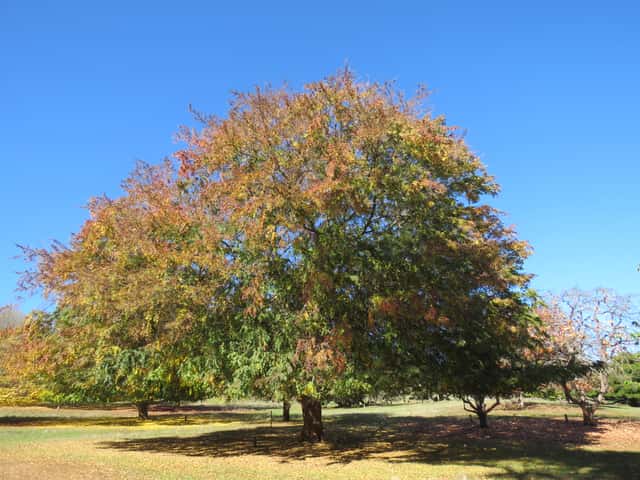
Ulmus parvifolia, commonly known as the Chinese Elm or Lacebark Elm, is a deciduous to semi-evergreen tree native to East Asia (China, Japan, and Korea), where it can reach heights of 10 to 15 meters in natural conditions. Its most striking feature is the bark: as it matures, it exfoliates in irregular plates, revealing mosaics of gray, green, orange, and brown tones. The leaves are small (1–3 cm), glossy, and serrated, turning golden, reddish, or purple in autumn before falling. It blooms discreetly in late summer or autumn, producing reddish-green flowers that give way to small winged samaras. It is one of the most valued species in the art of bonsai due to its vigor, fine branching, and ease of handling. In urban landscaping, it stands out as a shade and street tree for its tolerance to pollution, moderate drought, and heavy pruning.
How to Propagate Chinese Elm?
Semi-hardwood cuttings
Air layering
Seeds
How Big Does Chinese Elm Grow?
TLDR: Chinese Elm can reach up to 15.0m tall with Medium growth rate.
Max height
15.0m
Spread
12.0m
Growth rate
Medium
Foliage
Semi-evergreen
Plant Uses
Ornamental
Great for decoration
Medicinal Uses
- The bark and leaves of the Chinese Elm have been used in Traditional Chinese Medicine (TCM) as an anti-inflammatory and mild diuretic
- The leaves were used in poultices to soothe skin inflammations
- The seeds (samaras) are edible and nutritious, consumed in some regions of China
Culinary Uses
- The samaras (winged seeds) are edible raw or lightly toasted
- Young leaves have been consumed in salads or as a cooked vegetable in rural areas of China and Japan
Is your plant showing symptoms?
Click on the symptom to discover possible causes:
What Diseases Commonly Affect Chinese Elm?
TLDR: Chinese Elm is susceptible to 8 known diseases. Monitor regularly for early detection.
Powdery Mildew
Powdery mildew is a common fungal disease caused by various fungi species including Erysiphe, Podosphaera, Oïdium, and Leveillula. It affects over 10,000 plant species worldwide. The disease thrives in warm, dry climates with high humidity and appears as a distinctive white powdery coating on plant surfaces.
Anthracnose
Anthracnose is a fungal disease caused by fungi in the genus Colletotrichum that affects many plants, including vegetables, fruits, and trees. The disease thrives in cool, wet conditions, causing dark, sunken lesions on leaves, stems, flowers, and fruits.
Canker
Canker is a disease caused by various fungi and bacteria that create necrotic, sunken areas on bark of branches, stems, and trunks. Pathogens enter through wounds and natural openings, especially when plants are stressed. Canker can gradually weaken or kill branches by disrupting water and nutrient flow.
Spider Mites
Spider mites are tiny arachnids (less than 1/20 inch long) related to spiders and ticks that feed on plant sap. They thrive in hot, dry conditions and can cause significant damage to ornamental and vegetable plants. During severe infestations, crop losses can reach 14% or higher as these pests disrupt vital plant processes including photosynthesis, carbon dioxide absorption, and transpiration.
Meaning & Symbolism
In Asian traditions, the Chinese Elm is a symbol of longevity, strength, and perseverance. Its mosaic bark—which constantly renews itself—is associated with the ability to adapt and renew. In the art of bonsai, cultivating a Chinese Elm represents patience and sustained care over the years, central values of Zen philosophy.
Compare with similar plants
| Attribute | Difficulty | Light | Watering | Pet Safe |
|---|---|---|---|---|
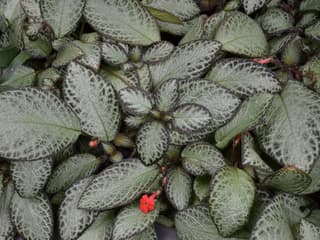
| Flame Violet | Easy | Partial shade | 7d | ✓ |
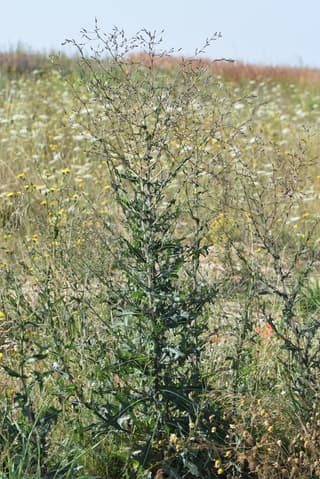
| Prickly Lettuce | Easy | Direct sun | 7d | ✓ |
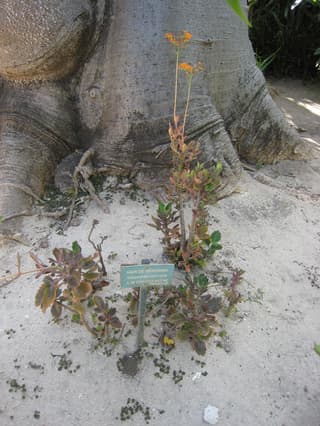
| Christmas Tree Plant | Easy | Bright indirect | 10d | ⚠️ |
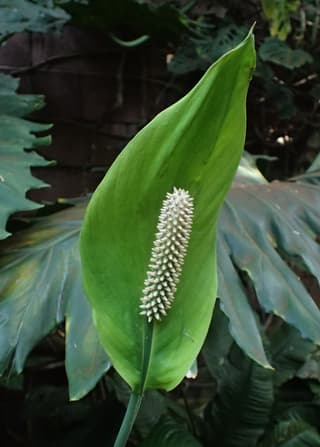
| Peace Lily | Easy | Low light | 7d | ⚠️ |