Asphodelaceae
Red Hot Poker (Kniphofia uvaria): Complete Care Guide
Kniphofia uvaria
A robust, low-maintenance perennial. Requires full sun and well-drained soil. Drought-tolerant once established. Avoid waterlogged conditions, especially in winter. Divide clumps every 3-4 years to maintain vigor and flowering.
Every 7 days
Direct sun
-15° - 35°C
30% - 60%
Categories
What is Red Hot Poker?
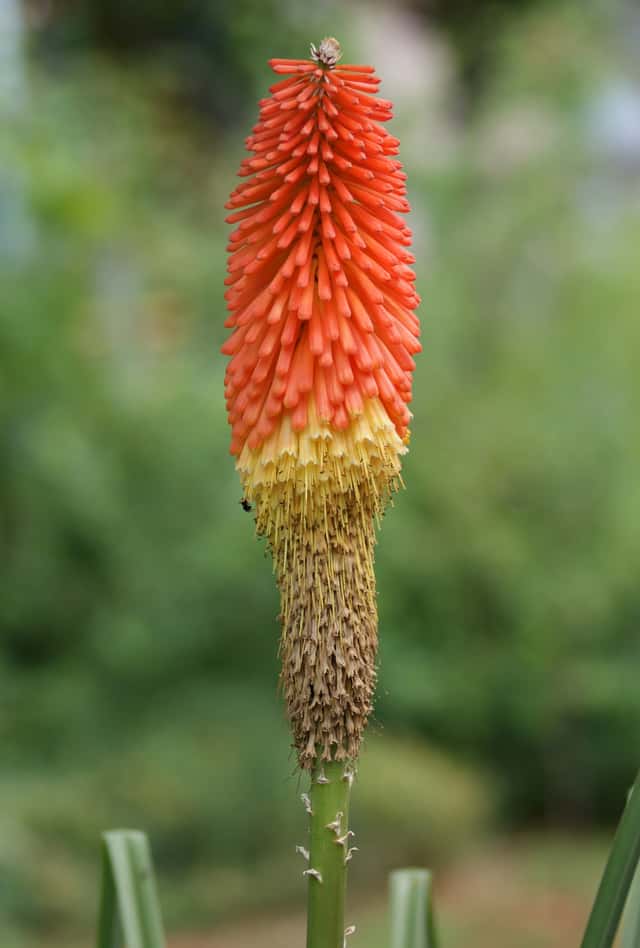
Red Hot Poker (Kniphofia uvaria) is a easy-care plant from the Asphodelaceae family. Kniphofia uvaria, commonly known as Red Hot Poker or Torch Lily, is a striking herbaceous perennial native to South Africa. Its bold torch-like flower spikes display vivid shades of red, orange, and yellow, making it one of the most visually dramatic plants in the garden. Drought-tolerant and low-ma...
Red Hot Poker grows up to 1.2m, with spread of 90cm, watering every 7 days, -15°C – 35°C, 30–60% humidity. It is not suitable for indoor environments and safe for pets.
Unlike many tropical plants, Red Hot Poker tolerates watering mistakes. Best for beginners. Unlike many popular species, Red Hot Poker is safe to keep around pets.
How to Care for Red Hot Poker?
TLDR: Red Hot Poker needs Direct sun, watering every 7 days, and temperatures between -15-35°C with 30-60% humidity.
How Often Should You Water Red Hot Poker?
Water regularly during the establishment phase (first season). Once established, water every 7-10 days in summer. Reduce watering significantly in winter to prevent crown rot. Never allow soil to become waterlogged.
How Much Light Does Red Hot Poker Need?
Requires full sun — at least 6-8 hours of direct sunlight per day. In partial shade, flowering will be reduced. Plant in an open, unobstructed location.
What Is the Best Soil for Red Hot Poker?
Prefers well-drained, sandy to loamy soils with pH between 6.0 and 7.5. Amend with organic matter at planting. Avoid heavy clay soils or any situation where water pools.
What Pot Should You Use for Red Hot Poker?
Terracotta or ceramic pot with drainage holes. Best planted directly in garden beds with excellent drainage.
Care Schedule
Fertilize
Every 90 days
What Is Red Hot Poker and Where Does It Come From?
Kniphofia uvaria, commonly known as Red Hot Poker or Torch Lily, is a striking herbaceous perennial native to South Africa. Its bold torch-like flower spikes display vivid shades of red, orange, and yellow, making it one of the most visually dramatic plants in the garden. Drought-tolerant and low-maintenance once established, it thrives in sunny, well-drained beds and borders.
How to Propagate Red Hot Poker?
Clump Division
Divide every 3-4 years to maintain plant vigor and promote better flowering.
- 1 In spring, carefully dig up the entire clump using a spade
- 2 Divide the clump into smaller sections, ensuring each has healthy roots and foliage
- 3 Replant divisions in a sunny location with well-drained soil
- 4 Water thoroughly after planting and keep slightly moist until established
Materials needed:
Seed Propagation
Division is faster and more reliable for preserving the characteristics of the parent plant.
- 1 Sow seeds in a tray filled with well-drained seed compost
- 2 Keep in a warm location (21-23°C) and maintain moisture until germination
- 3 Transplant seedlings when they reach 10 cm tall
- 4 Expect first flowering 2-3 years after sowing
Materials needed:
How Big Does Red Hot Poker Grow?
TLDR: Red Hot Poker can reach up to 1.2m tall with Fast growth rate.
Max height
1.2m
Spread
90cm
Growth rate
Fast
Foliage
Semi-evergreen
Plant Uses
Ornamental
Great for decoration
Is your plant showing symptoms?
Click on the symptom to discover possible causes:
What Diseases Commonly Affect Red Hot Poker?
TLDR: Red Hot Poker is susceptible to 6 known diseases. Monitor regularly for early detection.
Root Rot
Root rot is a serious fungal disease that affects the root system of plants, causing them to decay and die. It is primarily caused by overwatering, poor drainage, or soil-borne fungi such as Pythium, Phytophthora, Rhizoctonia, and Fusarium. The disease thrives in waterlogged conditions where roots are deprived of oxygen, making them susceptible to fungal infection.
Crown Rot
Crown rot is a serious fungal disease that attacks the crown (base) of the plant where the stem meets the soil. It is caused by various fungal pathogens including Phytophthora, Fusarium, and Rhizoctonia. The disease thrives in waterlogged conditions and can quickly spread to kill the entire plant if not addressed promptly.
Thrips
Thrips are tiny cigar-shaped insects (1/25-inch long) that damage plants by sucking plant juices and scraping at fruits, flowers, and leaves. With over 6,000 species and rapid reproduction (lifecycle as short as 14 days), they can quickly infest plants and transmit viruses like tomato spotted wilt virus.
Slugs and Snails
Slugs and snails are mollusks that feed on plant tissue, causing irregular holes in leaves and damage to young seedlings. They are most active at night and in moist conditions, leaving characteristic silvery slime trails. These pests can quickly devastate gardens, especially during wet seasons.
Meaning & Symbolism
Symbol of vitality, energy, and warmth. In its native South Africa, Kniphofia is associated with the fiery savanna landscape, evoking resilience and bold beauty.
Fun Facts
The flowers of Kniphofia change color as they mature: blooms open red at the top and age to yellow at the base, creating a striking natural gradient
Red Hot Poker is extremely attractive to hummingbirds and butterflies, making it an excellent choice for pollinator gardens
Native to the hillsides and grasslands of South Africa, this plant is remarkably cold-hardy and can withstand frosts down to -15°C
The name 'Kniphofia' honours Johann Hieronymus Kniphof, an 18th-century German physician and botanist
Frequently asked questions
How often should I water Red Hot Poker?
Does Red Hot Poker need full sun?
Is Red Hot Poker toxic to pets?
When does Red Hot Poker bloom?
How do I divide Red Hot Poker clumps?
Compare with similar plants
| Attribute | Difficulty | Light | Watering | Pet Safe |
|---|---|---|---|---|
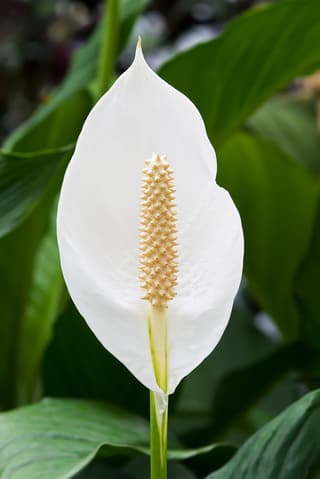
| Peace Lily | Easy | Low light | 4d | ⚠️ |
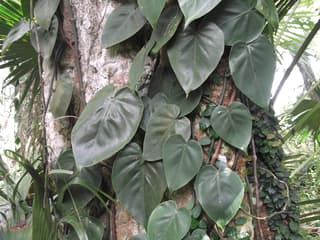
| Swiss Cheese Plant | Easy | Partial shade | 10d | ⚠️ |
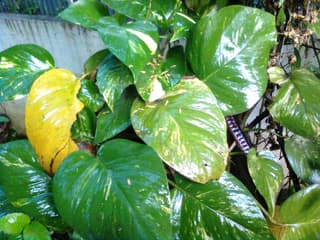
| Golden Pothos | Easy | Low light | 8d | ⚠️ |
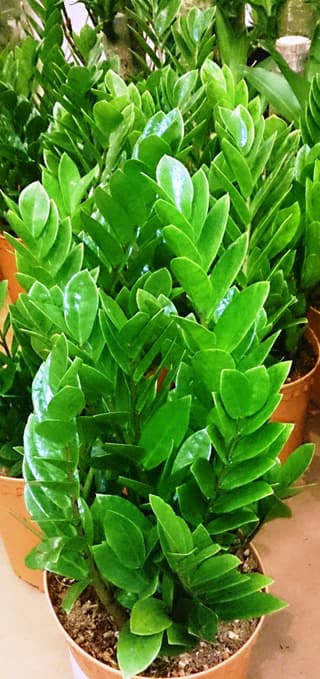
| ZZ Plant | Easy | Low light | 18d | ⚠️ |