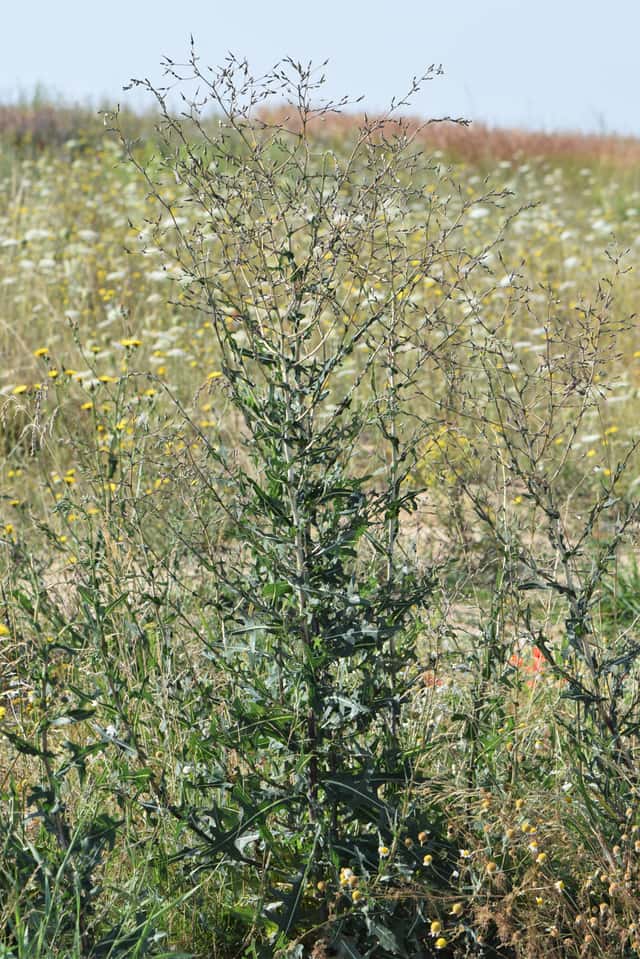
Asteraceae
Prickly Lettuce — The Wild Compass Plant
Lactuca serriola
Prickly Lettuce is extremely easy to grow and largely self-sufficient. It thrives in full sun with well-draining loamy soil. Water once a week, allowing the soil to dry slightly between waterings. Once established it is drought-tolerant. Trim flower heads before seeding to prevent unwanted spread.
Every 7 days
Direct sun
-10° - 35°C
30% - 50%
Categories
What is Prickly Lettuce?
Prickly Lettuce (Lactuca serriola) is a easy-care plant from the Asteraceae family. Lactuca serriola, commonly known as Prickly Lettuce, is an annual or biennial herb native to Europe and the Mediterranean region. It grows vigorously in open disturbed ground, roadsides, and field margins, reaching up to 2 metres tall. The plant produces pale yellow daisy-like flowers from summer th...
Prickly Lettuce grows up to 2.0m, with spread of 30cm, watering every 7 days, -10°C – 35°C, 30–50% humidity. It is not suitable for indoor environments and safe for pets.
Unlike many tropical plants, Prickly Lettuce tolerates watering mistakes. Best for beginners. Unlike many popular species, Prickly Lettuce is safe to keep around pets.
How to Care for Prickly Lettuce?
TLDR: Prickly Lettuce needs Direct sun, watering every 7 days, and temperatures between -10-35°C with 30-50% humidity.
How Often Should You Water Prickly Lettuce?
Water every 7 days, moistening the soil evenly but avoiding waterlogging. Once established, the plant tolerates drought well. Avoid overhead watering to reduce disease risk.
How Much Light Does Prickly Lettuce Need?
Place in full sun receiving at least 6 hours of direct sunlight daily. It does not tolerate shade and will become leggy if light is insufficient.
What Is the Best Soil for Prickly Lettuce?
Use well-draining loamy soil enriched with organic matter. A pH of 6.0–7.5 is ideal. Avoid heavy clay or compacted soils that retain excess moisture.
What Pot Should You Use for Prickly Lettuce?
No pot needed — best grown directly in garden soil. If containerised, use a deep pot (30 cm+) with drainage holes to accommodate the taproot.
What Is Prickly Lettuce and Where Does It Come From?
Lactuca serriola, commonly known as Prickly Lettuce, is an annual or biennial herb native to Europe and the Mediterranean region. It grows vigorously in open disturbed ground, roadsides, and field margins, reaching up to 2 metres tall. The plant produces pale yellow daisy-like flowers from summer through early autumn and is notable for leaves that align north-south, earning it the name "compass plant." Its milky latex, known as lactucarium, has been used medicinally for centuries.
How to Propagate Prickly Lettuce?
Seed Sowing
Sow in spring directly in situ. Seeds germinate quickly in warm conditions. Remove flower heads before they set seed to prevent aggressive self-seeding.
- 1 Choose a sunny outdoor spot with well-draining soil.
- 2 Sow seeds directly on the soil surface or cover very lightly — seeds need light to germinate.
- 3 Keep soil evenly moist until germination occurs in 7–14 days.
- 4 Thin seedlings to 20–30 cm apart once they reach 5 cm tall.
- 5 Reduce watering once established as the plant is drought-tolerant.
Materials needed:
How Big Does Prickly Lettuce Grow?
TLDR: Prickly Lettuce can reach up to 2.0m tall with Fast growth rate.
Max height
2.0m
Spread
30cm
Growth rate
Fast
Foliage
Deciduous
Warning: Toxic Plant
This plant can be toxic if ingested. Keep out of reach of:
Plant Uses
Edible
Can be consumed
Medicinal
Medicinal properties
Medicinal Uses
- Dried lactucarium (milky sap) used historically as a mild sedative and analgesic
- Diuretic and antispasmodic properties documented in traditional European herbalism
- Root preparations used as a coffee substitute
Culinary Uses
- Young leaves eaten raw in salads — bitter but nutritious
- Older leaves cooked as a potherb or steamed
- Seeds yield an edible oil used in cooking and soap-making
Is your plant showing symptoms?
Click on the symptom to discover possible causes:
What Diseases Commonly Affect Prickly Lettuce?
TLDR: Prickly Lettuce is susceptible to 11 known diseases. Monitor regularly for early detection.
Downy Mildew
Downy mildew is a fungal-like disease caused by oomycetes (water molds) that thrives in cool, wet conditions. It affects a wide range of plants, causing yellowing leaves with fuzzy white-gray growth underneath, leading to defoliation and reduced yields if left untreated.
Powdery Mildew
Powdery mildew is a common fungal disease caused by various fungi species including Erysiphe, Podosphaera, Oïdium, and Leveillula. It affects over 10,000 plant species worldwide. The disease thrives in warm, dry climates with high humidity and appears as a distinctive white powdery coating on plant surfaces.
Aphids
Aphids are small, soft-bodied, pear-shaped insects (1/16 to 1/8 inch long) that feed by sucking nutrient-rich sap from plants. They reproduce rapidly and can quickly weaken plants, causing distorted growth and transmitting plant viruses. Aphids come in various colors including green, black, red, yellow, brown, and gray. They secrete honeydew, a sticky substance that attracts ants and encourages sooty mold growth.
Slugs and Snails
Slugs and snails are mollusks that feed on plant tissue, causing irregular holes in leaves and damage to young seedlings. They are most active at night and in moist conditions, leaving characteristic silvery slime trails. These pests can quickly devastate gardens, especially during wet seasons.
Meaning & Symbolism
Known as the "compass plant" because its upper leaves orient north-south; it symbolises resilience, adaptability, and finding direction in challenging environments.
Fun Facts
Lactuca serriola is the wild ancestor of all cultivated lettuce varieties (Lactuca sativa).
The milky sap, called lactucarium, was used in ancient Greece and medieval Europe as a substitute for opium.
Its leaves act as a natural compass — orienting north-south at midday to minimise direct sun exposure.
Each plant can produce over 2,000 seeds dispersed by wind on feathery bristles, similar to dandelions.
Frequently asked questions
How often should I water Prickly Lettuce?
Is Prickly Lettuce toxic to humans?
Can I grow Prickly Lettuce indoors?
Why are the leaves of Prickly Lettuce aligned north-south?
How do I stop Prickly Lettuce from spreading?
Compare with similar plants
| Attribute | Difficulty | Light | Watering | Pet Safe |
|---|---|---|---|---|
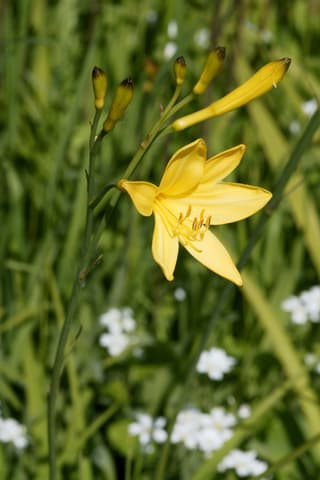
| Wild Lettuce | Medium | Direct sun | 7d | ⚠️ |
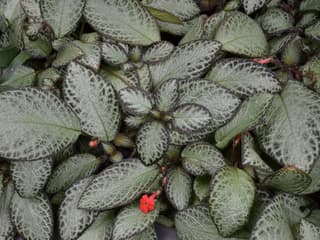
| Flame Violet | Easy | Partial shade | 7d | ✓ |
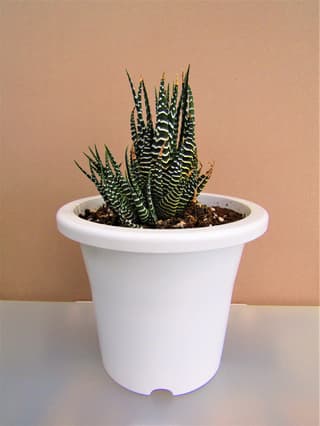
| Haworthiopsis (genus) | Easy | Partial shade | 14d | ✓ |
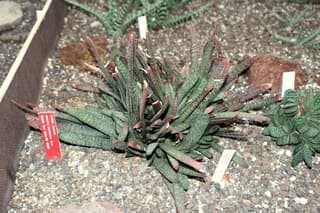
| Gasteria (genus) | Easy | Partial shade | 14d | ✓ |