Amaryllidaceae
Wild Garlic: Everything About Allium vineale
Allium vineale
Hardy and easy to grow. Prefers full sun and well-drained soil. Moderate watering with good drought tolerance. Does not require frequent fertilization. Grows actively in fall and winter, going dormant after early summer flowering. Propagates readily through bulb division, aerial bulbils, and seeds.
Every 10 days
Direct sun
5° - 32°C
40% - 70%
Categories
What is Wild Garlic?
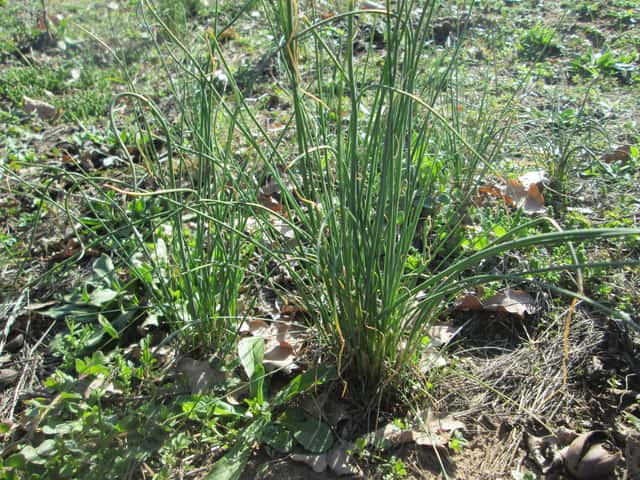
Wild Garlic (Allium vineale) is a easy-care plant from the Amaryllidaceae family. Allium vineale, commonly known as wild garlic or crow garlic, is a perennial bulb-forming plant in the family Amaryllidaceae. Native to Europe, northwestern Africa, and the Middle East, it has been naturalized in North America where it is considered an invasive weed. It produces slender hollow leave...
Wild Garlic grows up to 1.2m, spread of 15cm, watering every 10 days, 5°C – 32°C, 40–70% humidity. It is not suitable for indoor environments and not safe for pets.
Unlike many tropical plants, Wild Garlic tolerates watering mistakes. Best for beginners. Without precautions, ingestion can cause irritation in pets. Keep out of reach of cats and dogs.
How to Care for Wild Garlic?
TLDR: Wild Garlic needs Direct sun, watering every 10 days, and temperatures between 5-32°C with 40-70% humidity.
How Often Should You Water Wild Garlic?
Water every 10 days during active growth. Reduce significantly or stop during summer dormancy. Avoid waterlogging — well-drained soil is essential to prevent bulb rot.
How Much Light Does Wild Garlic Need?
Requires full sun (minimum 6 hours of direct sunlight daily). Tolerates partial shade but may produce fewer flowers. Cool-season plant — sprouts in autumn and flowers in spring.
What Is the Best Soil for Wild Garlic?
Prefers well-drained soil, slightly loamy or sandy. pH between 6.0 and 7.5. Tolerates heavy clay soil if drainage is adequate. Avoid waterlogged or compacted soils.
What Pot Should You Use for Wild Garlic?
Terracotta or ceramic pots with drainage holes. Use bulb compost mixed with coarse sand for excellent drainage.
Care Schedule
Fertilize
Every 60 days
Misting
Every 3 days
Rotate
Every 7 days
Repot
Every 365 days
What Is Wild Garlic and Where Does It Come From?
Allium vineale, commonly known as wild garlic or crow garlic, is a perennial bulb-forming plant in the family Amaryllidaceae. Native to Europe, northwestern Africa, and the Middle East, it has been naturalized in North America where it is considered an invasive weed. It produces slender hollow leaves with a strong garlic scent and bears small white to purple flowers in tight umbels during spring and early summer. All parts of the plant are edible, with a flavor similar to common garlic.
How to Propagate Wild Garlic?
Bulb division
Divide in late summer before autumn sprouting. Choose firm, healthy bulbs without signs of rot.
- 1 Dig up the plant during summer dormancy
- 2 Carefully separate individual bulbs
- 3 Replant bulbs 5-10 cm deep in well-drained soil
- 4 Water moderately after planting
Materials needed:
Seed propagation
Seeds germinate best after cold exposure. Avoid excess moisture during germination.
- 1 Collect seeds after maturation in midsummer
- 2 Sow in lightly moist medium in autumn
- 3 Keep in a cool location (5-15°C) for natural stratification
- 4 Transplant when seedlings reach 5 cm tall
Materials needed:
How Big Does Wild Garlic Grow?
TLDR: Wild Garlic can reach up to 1.2m tall with Fast growth rate.
Max height
1.2m
Spread
15cm
Growth rate
Fast
Foliage
Deciduous
Warning: Toxic Plant
This plant can be toxic if ingested. Keep out of reach of:
Plant Uses
Edible
Can be consumed
Medicinal
Medicinal properties
Ornamental
Great for decoration
Medicinal Uses
- Historically used as a natural antiseptic in folk medicine
- Leaves and bulbs used in traditional remedies for high blood pressure and colds
Culinary Uses
- Fresh leaves used as a garlic substitute in salads and stir-fries
- Edible bulbs with an intense garlic flavor
- Flowers used as edible decoration in dishes
Is your plant showing symptoms?
Click on the symptom to discover possible causes:
What Diseases Commonly Affect Wild Garlic?
TLDR: Wild Garlic is susceptible to 14 known diseases. Monitor regularly for early detection.
Root Rot
Root rot is a serious fungal disease that affects the root system of plants, causing them to decay and die. It is primarily caused by overwatering, poor drainage, or soil-borne fungi such as Pythium, Phytophthora, Rhizoctonia, and Fusarium. The disease thrives in waterlogged conditions where roots are deprived of oxygen, making them susceptible to fungal infection.
Fusarium Wilt
Fusarium wilt is a serious fungal disease caused by the soil-borne fungus Fusarium oxysporum. The fungus invades roots and blocks the water-conducting vessels (xylem) of the plant, causing progressive wilting and eventual death. Host-specific forms of the pathogen exist that attack different plant species.
Downy Mildew
Downy mildew is a fungal-like disease caused by oomycetes (water molds) that thrives in cool, wet conditions. It affects a wide range of plants, causing yellowing leaves with fuzzy white-gray growth underneath, leading to defoliation and reduced yields if left untreated.
Thrips
Thrips are tiny cigar-shaped insects (1/25-inch long) that damage plants by sucking plant juices and scraping at fruits, flowers, and leaves. With over 6,000 species and rapid reproduction (lifecycle as short as 14 days), they can quickly infest plants and transmit viruses like tomato spotted wilt virus.
Meaning & Symbolism
Protection and healing. In European tradition, wild garlic was used as a protective charm against evil spirits and illness. Symbolizes resilience and adaptability.
Fun Facts
Wild garlic has been used as food and medicine in Europe for thousands of years
It is considered an invasive species in the USA, where it can contaminate grain crops with a garlic flavor
It produces aerial bulbils in addition to seeds, facilitating its spread
The ornamental cultivar 'Hair' features distinctive decorative inflorescences
Frequently asked questions
Is wild garlic toxic to pets?
How often should I water wild garlic?
Can wild garlic be grown in containers?
Are wild garlic leaves edible?
When does wild garlic flower?
Compare with similar plants
| Attribute | Difficulty | Light | Watering | Pet Safe |
|---|---|---|---|---|
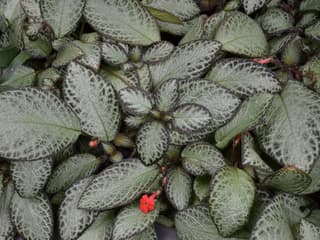
| Flame Violet | Easy | Partial shade | 7d | ✓ |
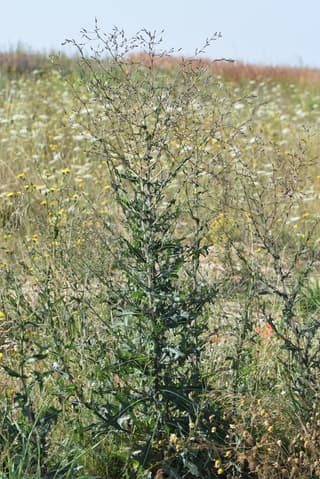
| Prickly Lettuce | Easy | Direct sun | 7d | ✓ |
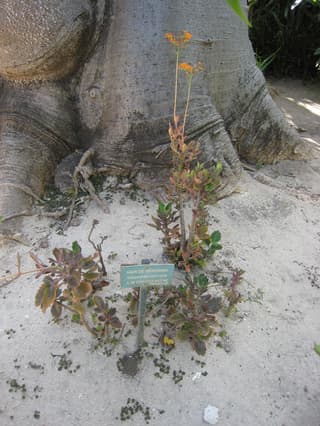
| Christmas Tree Plant | Easy | Bright indirect | 10d | ⚠️ |
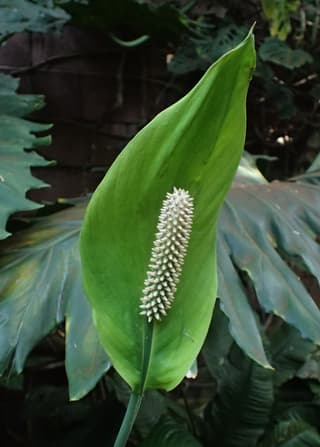
| Peace Lily | Easy | Low light | 7d | ⚠️ |