Urticaceae
Baby's Tears (Soleirolia soleirolii): Complete Care Guide
Soleirolia soleirolii
Baby's Tears thrives in bright indirect light and consistently moist soil. Keep humidity above 50% and avoid direct sunlight, which scorches its delicate foliage. Water every 2-3 days and mist regularly. It grows fast and will spread to fill its container.
Every 3 days
Partial shade
5° - 26°C
50% - 80%
Categories
What is Baby's Tears?
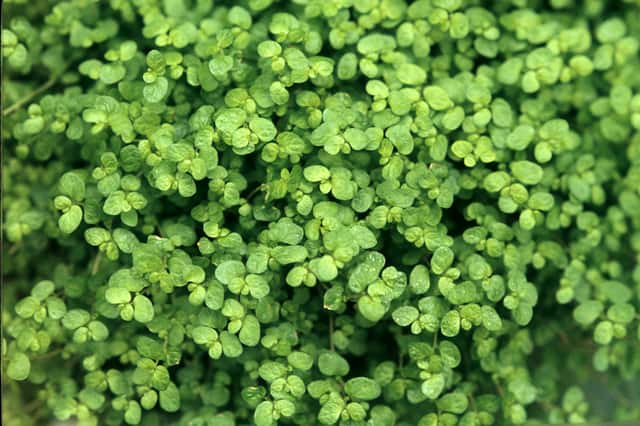
Baby's Tears (Soleirolia soleirolii) is a easy-care plant from the Urticaceae family. Soleirolia soleirolii, commonly known as Baby's Tears, is a low-growing, mat-forming perennial native to the western Mediterranean islands of Corsica and Sardinia. It produces a dense carpet of tiny, rounded leaves on delicate, thread-like stems, creating a lush, moss-like appearance. Its dainty whi...
Baby's Tears grows up to 15cm, with spread of 100cm, watering every 3 days, 5°C – 26°C, 50–80% humidity. It is suitable for indoor environments and safe for pets.
Unlike many tropical plants, Baby's Tears tolerates watering mistakes. Best for beginners. Unlike many popular species, Baby's Tears is safe to keep around pets. Without adequate drainage, root rot can develop within 7 days.
How to Care for Baby's Tears?
TLDR: Baby's Tears needs Partial shade, watering every 3 days, and temperatures between 5-26°C with 50-80% humidity.
How Often Should You Water Baby's Tears?
Water every 2-3 days, keeping the soil consistently moist but never waterlogged. Use the bottom-up submersion method to avoid moisture settling in the center of the plant, which can cause rot. Reduce frequency slightly in winter.
How Much Light Does Baby's Tears Need?
Provide bright, indirect light. Baby's Tears tolerates low light but grows best with dappled or filtered light. Avoid direct sun, which will scorch the delicate leaves. An east- or north-facing window is ideal indoors.
What Is the Best Soil for Baby's Tears?
Use a well-draining, moisture-retentive loamy potting mix. A quality all-purpose houseplant mix or African violet mix works well. Ensure the pot has drainage holes to prevent waterlogging. Slightly acidic soil (pH 5.5-6.5) is preferred.
What Pot Should You Use for Baby's Tears?
A shallow, wide pot or container works best to accommodate the spreading habit of Baby's Tears. Terracotta pots are suitable if you water frequently; glazed ceramic or plastic pots retain moisture longer, which suits this moisture-loving plant. Ensure drainage holes are present.
Care Schedule
Fertilize
Every 14 days
Misting
Every 2 days
Repot
Every 365 days
What Is Baby's Tears and Where Does It Come From?
Soleirolia soleirolii, commonly known as Baby's Tears, is a low-growing, mat-forming perennial native to the western Mediterranean islands of Corsica and Sardinia. It produces a dense carpet of tiny, rounded leaves on delicate, thread-like stems, creating a lush, moss-like appearance. Its dainty white flowers appear in spring and summer. Popular as a ground cover, terrarium plant, and houseplant, it thrives in high humidity and consistent moisture.
How to Propagate Baby's Tears?
Division
Division is the easiest and most reliable propagation method. Do it in spring when the plant is actively growing. Keep divisions consistently moist after planting.
- 1 Remove the plant from its pot and gently separate the root ball into sections at least 5 cm in diameter
- 2 Ensure each section has healthy roots and foliage attached
- 3 Plant each division in fresh, moist potting mix
- 4 Water thoroughly and place in a humid, bright location out of direct sun
- 5 New growth should appear within 1-2 weeks
Materials needed:
How Big Does Baby's Tears Grow?
TLDR: Baby's Tears can reach up to 15cm tall with Fast growth rate.
Max height
15cm
Spread
1.0m
Growth rate
Fast
Foliage
Evergreen
Plant Uses
Ornamental
Great for decoration
Ground Cover
Soil coverage
Is your plant showing symptoms?
Click on the symptom to discover possible causes:
What Diseases Commonly Affect Baby's Tears?
TLDR: Baby's Tears is susceptible to 9 known diseases. Monitor regularly for early detection.
Root Rot
Root rot is a serious fungal disease that affects the root system of plants, causing them to decay and die. It is primarily caused by overwatering, poor drainage, or soil-borne fungi such as Pythium, Phytophthora, Rhizoctonia, and Fusarium. The disease thrives in waterlogged conditions where roots are deprived of oxygen, making them susceptible to fungal infection.
Overwatering
Overwatering occurs when plants receive too much water, depriving roots of oxygen and causing root rot. This environmental stress is one of the most common causes of houseplant death, as waterlogged soil prevents roots from breathing and functioning properly.
Low Humidity Stress
Low humidity stress occurs when indoor air becomes too dry, causing plants to lose moisture faster than they can absorb it through their roots. This is especially common during winter heating periods, near radiators and heating vents, or in air-conditioned spaces. Tropical plants are particularly susceptible to low humidity damage.
Gray Mold (Botrytis Blight)
Gray mold, caused by the fungus Botrytis cinerea, is a widespread necrotrophic pathogen affecting over 1,400 plant species. It thrives in cool, humid conditions and attacks weakened or aging plant tissues, causing soft rot and characteristic gray fuzzy growth.
Meaning & Symbolism
Baby's Tears symbolizes delicacy, innocence, and new beginnings. Its dense, low-growing habit is also associated with harmony, abundance, and a peaceful home environment.
Fun Facts
Baby's Tears is native to only a few western Mediterranean islands, including Corsica and Sardinia, yet it has naturalized across temperate regions worldwide.
Despite its delicate appearance, Baby's Tears is remarkably resilient and can regrow from even a small fragment with roots.
It has over a dozen common names around the world, including Mind-Your-Own-Business (UK), Irish Moss, and Peace-in-the-Home.
Its tiny flowers are so small they lack petals entirely, relying on wind for pollination.
Frequently asked questions
How often should I water Baby's Tears?
Does Baby's Tears need direct sunlight?
Is Baby's Tears toxic to pets?
Why are the leaves of my Baby's Tears turning brown?
How do I propagate Baby's Tears?
Compare with similar plants
| Attribute | Difficulty | Light | Watering | Pet Safe |
|---|---|---|---|---|
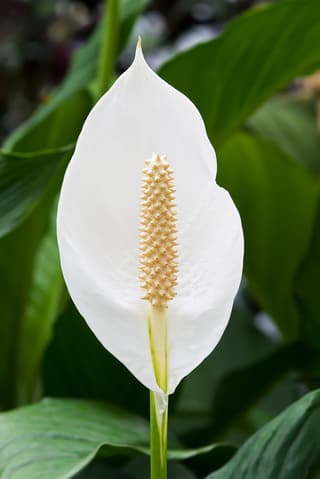
| Peace Lily | Easy | Low light | 4d | ⚠️ |
| Swiss Cheese Plant | Easy | Partial shade | 10d | ⚠️ |
| Golden Pothos | Easy | Low light | 8d | ⚠️ |
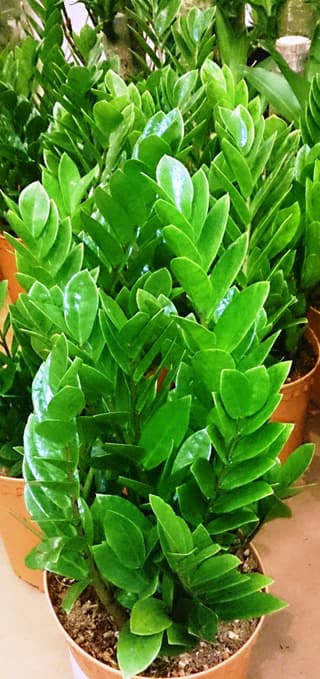
| ZZ Plant | Easy | Low light | 18d | ⚠️ |