Lamiaceae
Lamb's Ear: Ground Cover Plant
Stachys byzantina
A very low-maintenance plant that loves full sun and dry soils. The secret is to ensure excellent drainage and avoid getting the leaves wet.
Every 14 days
Direct sun
-20° - 35°C
20% - 50%
Categories
What is Lamb's Ear?
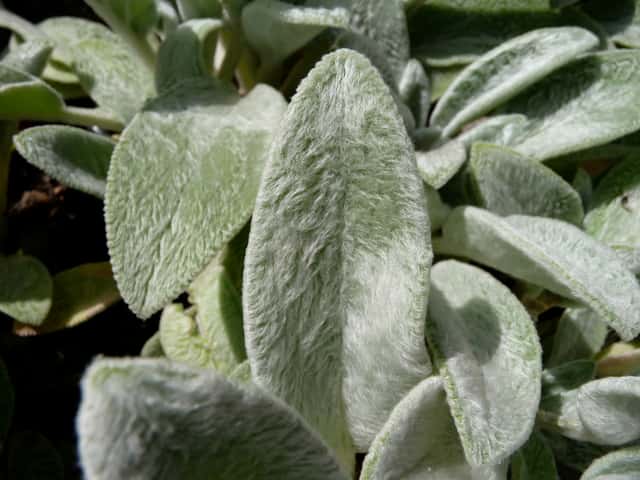
Lamb's Ear (Stachys byzantina) is a easy-care plant from the Lamiaceae family. Stachys byzantina is a herbaceous perennial famous for its leaves densely covered in silky white hairs, which give it a velvety texture and a unique silvery color. Native to the Middle East, it forms dense, low mats, making it an excellent groundcover. In summer, it produces upright stems with small...
Lamb's Ear grows up to 45cm, with spread of 90cm, watering every 14 days, -20°C – 35°C, 20–50% humidity. It is not suitable for indoor environments and safe for pets.
Unlike many tropical plants, Lamb's Ear tolerates watering mistakes. Best for beginners. Unlike many popular species, Lamb's Ear is safe to keep around pets.
How to Care for Lamb's Ear?
TLDR: Lamb's Ear needs Direct sun, watering every 14 days, and temperatures between -20-35°C with 20-50% humidity.
How Often Should You Water Lamb's Ear?
Water only when the soil is dry. Always direct the water to the base of the plant, never over the velvety leaves.
How Much Light Does Lamb's Ear Need?
Requires direct sun to maintain the density of the hairs and the silvery coloration. In very hot climates, it tolerates partial shade.
What Is the Best Soil for Lamb's Ear?
Prefers poor to moderately fertile soils. Excess nitrogen can decrease the plant's hardiness.
What Pot Should You Use for Lamb's Ear?
Clay or terracotta pots that allow for lateral moisture evaporation.
Care Schedule
Fertilize
Every 60 days
What Is Lamb's Ear and Where Does It Come From?
Stachys byzantina is a herbaceous perennial famous for its leaves densely covered in silky white hairs, which give it a velvety texture and a unique silvery color. Native to the Middle East, it forms dense, low mats, making it an excellent groundcover. In summer, it produces upright stems with small purple flowers, although it is primarily grown for its exotic foliage that resembles lamb's ears.
How to Propagate Lamb's Ear?
Division
- Division helps rejuvenate older plants that are becoming sparse in the center.
- 1 Excavation
Carefully dig up a mature plant to avoid damaging the roots.
- 2 Separation
Divide the root mass into smaller sections using your hands or a clean knife, ensuring each part has leaves and roots.
- 3 Replanting
Plant the divisions immediately in the desired location and water lightly.
Materials needed:
Sowing
- Seeds need light to germinate, so do not bury them deeply.
- 1 Preparation
Sow in light, well-drained soil, covering only lightly with earth.
- 2 Moisture
Keep the soil slightly moist, but never waterlogged.
Materials needed:
How Big Does Lamb's Ear Grow?
TLDR: Lamb's Ear can reach up to 45cm tall with Medium growth rate.
Max height
45cm
Spread
90cm
Growth rate
Medium
Foliage
Deciduous
Plant Uses
Ornamental
Great for decoration
Ground Cover
Soil coverage
Medicinal
Medicinal properties
Medicinal Uses
- Antiseptic and anti-inflammatory action
- Historical use as a natural bandage to stop bleeding
- Treatment of insect bites
Culinary Uses
- Breaded and fried leaves (popularly known as 'garden fish' in Brazil)
- Young leaves in salads
Is your plant showing symptoms?
Click on the symptom to discover possible causes:
What Diseases Commonly Affect Lamb's Ear?
TLDR: Lamb's Ear is susceptible to 7 known diseases. Monitor regularly for early detection.
Root Rot
Root rot is a serious fungal disease that affects the root system of plants, causing them to decay and die. It is primarily caused by overwatering, poor drainage, or soil-borne fungi such as Pythium, Phytophthora, Rhizoctonia, and Fusarium. The disease thrives in waterlogged conditions where roots are deprived of oxygen, making them susceptible to fungal infection.
Overwatering
Overwatering occurs when plants receive too much water, depriving roots of oxygen and causing root rot. This environmental stress is one of the most common causes of houseplant death, as waterlogged soil prevents roots from breathing and functioning properly.
Powdery Mildew
Powdery mildew is a common fungal disease caused by various fungi species including Erysiphe, Podosphaera, Oïdium, and Leveillula. It affects over 10,000 plant species worldwide. The disease thrives in warm, dry climates with high humidity and appears as a distinctive white powdery coating on plant surfaces.
Leaf Spot
Leaf spot is a common fungal disease caused by various pathogens including Alternaria, Ascochyta, Colletotrichum, Septoria, and Venturia. It primarily affects leaves, causing discolored spots that can lead to premature leaf drop if left untreated.
Meaning & Symbolism
Represents softness, comfort, protection, and hospitality.
Compare with similar plants
| Attribute | Difficulty | Light | Watering | Pet Safe |
|---|---|---|---|---|
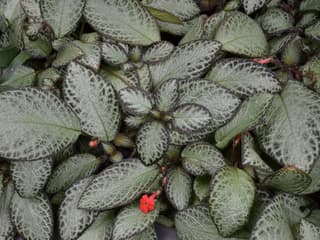
| Flame Violet | Easy | Partial shade | 7d | ✓ |
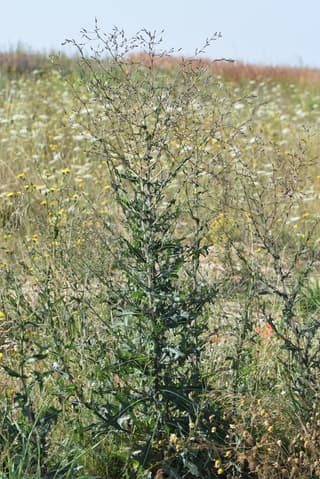
| Prickly Lettuce | Easy | Direct sun | 7d | ✓ |
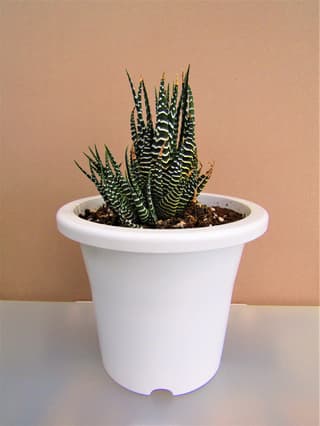
| Haworthiopsis (genus) | Easy | Partial shade | 14d | ✓ |
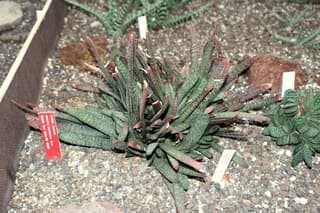
| Gasteria (genus) | Easy | Partial shade | 14d | ✓ |