Euphorbiaceae
Caribbean Copper Plant (Euphorbia cotinifolia)
Euphorbia cotinifolia
Full-sun plant requiring moderate watering and well-drained soil. Drought-tolerant once established. Avoid waterlogging to prevent root rot. Fertilize monthly during spring and summer. Light annual pruning maintains shape. Keep away from children and pets due to toxic sap.
Every 10 days
Direct sun
10° - 38°C
40% - 70%
Categories
What is Caribbean Copper Plant?
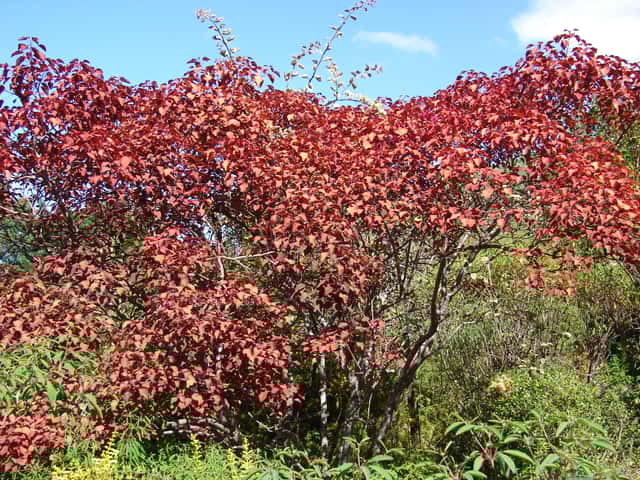
Caribbean Copper Plant (Euphorbia cotinifolia) is a easy-care plant from the Euphorbiaceae family. Euphorbia cotinifolia, commonly known as the Caribbean Copper Plant or Tropical Smokebush, is a striking ornamental shrub native to Mexico and Central/South America. Prized for its deep burgundy-red foliage, it belongs to the Euphorbiaceae family and can reach up to 15 feet as a shrub or 30 feet as...
Caribbean Copper Plant grows up to 4.6m, with spread of 300cm, watering every 10 days, 10°C – 38°C, 40–70% humidity. It is not suitable for indoor environments and not safe for pets.
Unlike many tropical plants, Caribbean Copper Plant tolerates watering mistakes. Best for beginners. Without precautions, ingestion can cause irritation in pets. Keep out of reach of cats and dogs.
How to Care for Caribbean Copper Plant?
TLDR: Caribbean Copper Plant needs Direct sun, watering every 10 days, and temperatures between 10-38°C with 40-70% humidity.
How Often Should You Water Caribbean Copper Plant?
Water every 10 days, or when the soil is dry a few inches below the surface. Reduce frequency in winter. Never let the pot sit in standing water, as this can cause root rot.
How Much Light Does Caribbean Copper Plant Need?
Requires full sun to develop its intense red-burgundy leaf color. In partial shade, leaves tend to become greener and less vibrant. Place in a spot with at least 6 hours of direct sunlight per day.
What Is the Best Soil for Caribbean Copper Plant?
Plant in well-draining soil, ideally mixed with coarse sand or perlite. Ideal pH range is 6.0 to 7.5. Avoid compacted or moisture-retaining soils.
What Pot Should You Use for Caribbean Copper Plant?
Medium to large terracotta or ceramic pot with drainage holes for outdoor use.
Care Schedule
Fertilize
Every 30 days
Repot
Every 730 days
What Is Caribbean Copper Plant and Where Does It Come From?
Euphorbia cotinifolia, commonly known as the Caribbean Copper Plant or Tropical Smokebush, is a striking ornamental shrub native to Mexico and Central/South America. Prized for its deep burgundy-red foliage, it belongs to the Euphorbiaceae family and can reach up to 15 feet as a shrub or 30 feet as a tree in ideal conditions. The milky white sap is highly toxic and requires protective gloves when handling. It is widely grown in tropical and subtropical gardens for its bold visual impact.
How to Propagate Caribbean Copper Plant?
Stem Cutting
Always wear gloves when handling this plant as the milky sap is a skin irritant. Replace substrate if mold appears.
- 1 Cut a healthy stem 15-20 cm long with a clean, sharp tool
- 2 Let the cut end air-dry for 24 hours to prevent sap from blocking rooting
- 3 Apply rooting hormone powder to the base of the cutting
- 4 Plant in slightly moist, well-draining substrate
- 5 Keep in a warm spot with bright indirect light until roots form
Materials needed:
How Big Does Caribbean Copper Plant Grow?
TLDR: Caribbean Copper Plant can reach up to 4.6m tall with Fast growth rate.
Max height
4.6m
Spread
3.0m
Growth rate
Fast
Foliage
Evergreen
Warning: Toxic Plant
This plant can be toxic if ingested. Keep out of reach of:
Plant Uses
Ornamental
Great for decoration
Is your plant showing symptoms?
Click on the symptom to discover possible causes:
What Diseases Commonly Affect Caribbean Copper Plant?
TLDR: Caribbean Copper Plant is susceptible to 6 known diseases. Monitor regularly for early detection.
Root Rot
Root rot is a serious fungal disease that affects the root system of plants, causing them to decay and die. It is primarily caused by overwatering, poor drainage, or soil-borne fungi such as Pythium, Phytophthora, Rhizoctonia, and Fusarium. The disease thrives in waterlogged conditions where roots are deprived of oxygen, making them susceptible to fungal infection.
Powdery Mildew
Powdery mildew is a common fungal disease caused by various fungi species including Erysiphe, Podosphaera, Oïdium, and Leveillula. It affects over 10,000 plant species worldwide. The disease thrives in warm, dry climates with high humidity and appears as a distinctive white powdery coating on plant surfaces.
Aphids
Aphids are small, soft-bodied, pear-shaped insects (1/16 to 1/8 inch long) that feed by sucking nutrient-rich sap from plants. They reproduce rapidly and can quickly weaken plants, causing distorted growth and transmitting plant viruses. Aphids come in various colors including green, black, red, yellow, brown, and gray. They secrete honeydew, a sticky substance that attracts ants and encourages sooty mold growth.
Mealybugs
Mealybugs are small, soft-bodied insects covered with a white, waxy, cottony material. They are common pests of houseplants and outdoor plants in mild climates. These sap-sucking insects feed on plant tissue, causing damage, stunted growth, and can lead to plant death if left untreated. They produce sticky honeydew which attracts sooty mold.
Meaning & Symbolism
Symbolizes boldness, vitality, and exotic tropical beauty.
Fun Facts
Can reach up to 9 meters tall when grown as a tree in ideal conditions
Its milky white sap was historically used as a fish poison by indigenous fishermen
Young leaves emerge bright red and deepen to a rich burgundy as they mature
It belongs to the same family as rubber trees and cassava — the Euphorbiaceae
Frequently asked questions
How often should I water the Caribbean Copper Plant?
Is the Caribbean Copper Plant toxic to pets?
Why are the leaves losing their red color?
Can I grow this plant indoors?
How do I propagate the Caribbean Copper Plant?
Compare with similar plants
| Attribute | Difficulty | Light | Watering | Pet Safe |
|---|---|---|---|---|
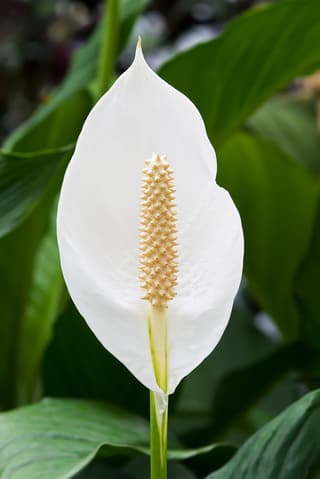
| Peace Lily | Easy | Low light | 4d | ⚠️ |
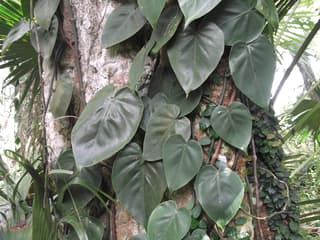
| Swiss Cheese Plant | Easy | Partial shade | 10d | ⚠️ |
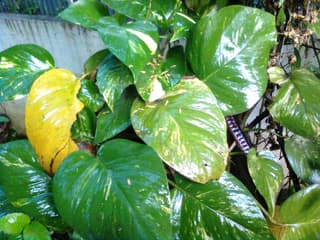
| Golden Pothos | Easy | Low light | 8d | ⚠️ |
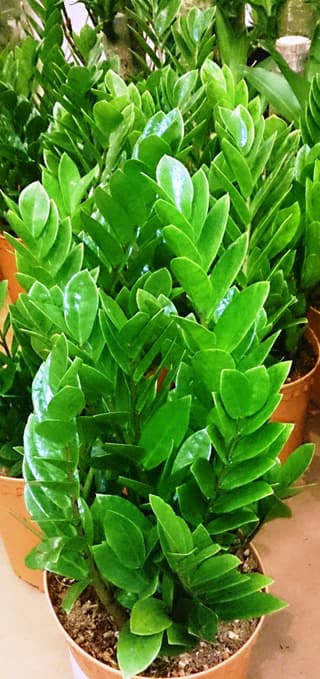
| ZZ Plant | Easy | Low light | 18d | ⚠️ |