Plumbaginaceae
Sea Lavender (Limonium): The Everlasting Flower
Limonium
Low-maintenance and drought-tolerant. Thrives in full sun and well-drained, sandy or chalky soil. Tolerates salt spray and poor soils. Perfect for coastal gardens, borders, and rock gardens. Avoid overwatering.
Every 10 days
Direct sun
-5° - 38°C
20% - 50%
Categories
What is Sea Lavender?
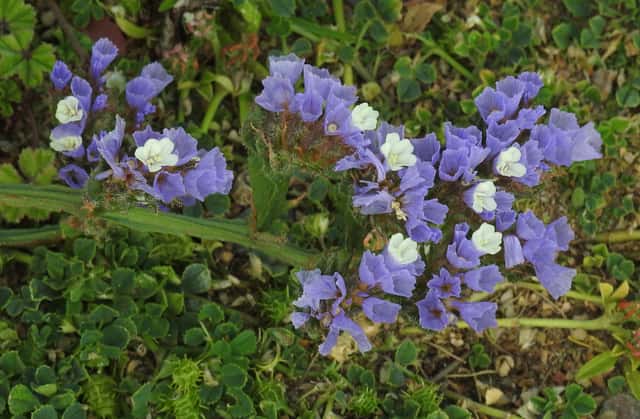
Sea Lavender (Limonium) is a easy-care plant from the Plumbaginaceae family. Limonium is a genus of approximately 120 species of halophytic perennial and annual plants native to coastal zones worldwide, including the Mediterranean, Atlantic coasts, and Central Asia. Recognizable by their airy, branching stems bearing tiny papery flowers in purple, white, and pink, they are p...
Sea Lavender grows up to 90cm, spread of 75cm, watering every 10 days, -5°C – 38°C, 20–50% humidity. It is not suitable for indoor environments and safe for pets.
Unlike many tropical plants, Sea Lavender tolerates watering mistakes. Best for beginners. Unlike many popular species, Sea Lavender is safe to keep around pets.
How to Care for Sea Lavender?
TLDR: Sea Lavender needs Direct sun, watering every 10 days, and temperatures between -5-38°C with 20-50% humidity.
How Often Should You Water Sea Lavender?
Water moderately, allowing the top inch of soil to dry between waterings. Established plants are very drought-tolerant. Water newly planted specimens more regularly until roots establish. Reduce watering significantly in winter.
How Much Light Does Sea Lavender Need?
Requires full sun — at least 6 hours of direct sunlight daily. The more sun it receives, the more abundant the flowering. Avoid deep shade, which suppresses blooming and weakens stems.
What Is the Best Soil for Sea Lavender?
Prefers sandy, well-draining, slightly alkaline soil (pH 6.0–8.0). Tolerates poor, saline, and chalky soils. Never plant in waterlogged or heavy clay soils as this causes crown and root rot.
What Pot Should You Use for Sea Lavender?
Terracotta or ceramic pot with drainage holes. Avoid plastic pots that retain moisture.
Care Schedule
Fertilize
Every 90 days
What Is Sea Lavender and Where Does It Come From?
Limonium is a genus of approximately 120 species of halophytic perennial and annual plants native to coastal zones worldwide, including the Mediterranean, Atlantic coasts, and Central Asia. Recognizable by their airy, branching stems bearing tiny papery flowers in purple, white, and pink, they are prized both as garden ornamentals and as cut flowers — fresh or dried — in the floristry industry.
How to Propagate Sea Lavender?
Seed Sowing
Do not cover seeds. Keep substrate lightly moist. Germination typically occurs in 14-21 days.
- 1 Sow seeds indoors 6-8 weeks before the last frost
- 2 Surface-sow without covering — seeds need light to germinate
- 3 Maintain 21-24°C; transplant outdoors after frost danger has passed
Materials needed:
Stem Cutting
Use clean tools. Avoid overwatering during rooting. Rooting hormone can improve success.
- 1 Take 10-15 cm cuttings from healthy stems in early summer
- 2 Remove lower leaves
- 3 Plant in sandy, moist mix and keep in bright indirect light until rooted
Materials needed:
Crown Division
Only divide well-established clumps. Water thoroughly after replanting.
- 1 Dig up the parent plant in early spring
- 2 Carefully separate basal rosettes
- 3 Replant immediately in well-drained soil and water in well
Materials needed:
How Big Does Sea Lavender Grow?
TLDR: Sea Lavender can reach up to 90cm tall with Medium growth rate.
Max height
90cm
Spread
75cm
Growth rate
Medium
Foliage
Evergreen
Plant Uses
Ornamental
Great for decoration
Is your plant showing symptoms?
Click on the symptom to discover possible causes:
What Diseases Commonly Affect Sea Lavender?
TLDR: Sea Lavender is susceptible to 7 known diseases. Monitor regularly for early detection.
Root Rot
Root rot is a serious fungal disease that affects the root system of plants, causing them to decay and die. It is primarily caused by overwatering, poor drainage, or soil-borne fungi such as Pythium, Phytophthora, Rhizoctonia, and Fusarium. The disease thrives in waterlogged conditions where roots are deprived of oxygen, making them susceptible to fungal infection.
Crown Rot
Crown rot is a serious fungal disease that attacks the crown (base) of the plant where the stem meets the soil. It is caused by various fungal pathogens including Phytophthora, Fusarium, and Rhizoctonia. The disease thrives in waterlogged conditions and can quickly spread to kill the entire plant if not addressed promptly.
Powdery Mildew
Powdery mildew is a common fungal disease caused by various fungi species including Erysiphe, Podosphaera, Oïdium, and Leveillula. It affects over 10,000 plant species worldwide. The disease thrives in warm, dry climates with high humidity and appears as a distinctive white powdery coating on plant surfaces.
Gray Mold (Botrytis Blight)
Gray mold, caused by the fungus Botrytis cinerea, is one of the most common fungal diseases in plants. It affects over 200 plant species, including ornamentals, vegetables, fruits, and houseplants. The disease thrives in cool, humid conditions with poor air circulation, causing grayish spots and soft rot on infected tissues.
Meaning & Symbolism
Symbol of remembrance, sympathy, success, and everlasting beauty. Sea Lavender is widely used in dried floral arrangements as an emblem of undying love and lasting memory.
Fun Facts
The Limonium genus includes around 120 species found on coastal zones across all continents.
Sea Lavender flowers are naturally papery, which is why they hold their shape and color perfectly when dried.
The name Limonium derives from the Greek 'leimon' meaning meadow — a reference to its salt meadow habitat.
Some Limonium species have been used in traditional medicine for their astringent and anti-inflammatory properties.
Frequently asked questions
How often should I water Sea Lavender?
Does Sea Lavender need full sun?
Is Sea Lavender toxic to pets?
How do I dry Sea Lavender flowers?
Can Sea Lavender grow in salty coastal conditions?
Compare with similar plants
| Attribute | Difficulty | Light | Watering | Pet Safe |
|---|---|---|---|---|
| Field Maple | Easy | Bright indirect | 14d | ✓ |
| Silver Birch | Easy | Direct sun | 14d | ✓ |
| Cushion Bush | Easy | Direct sun | 14d | ✓ |
| Peruvian peppertree | Easy | Direct sun | 14d | ⚠️ |





