Araceae
Spadeleaf Philodendron: Perfect Indoor Houseplant
Philodendron domesticum
Prefers bright indirect light, moderate watering with soil allowed to dry slightly between waterings, humidity between 60-70%, and temperatures between 55-80°F (13-27°C). Fertilize every 4 weeks during spring and summer. Repot annually while young.
Every 7 days
Partial shade
13° - 27°C
60% - 70%
Categories
What is Spadeleaf Philodendron?
Spadeleaf Philodendron (Philodendron domesticum) is a easy-care plant from the Araceae family. Philodendron domesticum, known as the Spadeleaf Philodendron or Elephant Ear Philodendron, is a tropical plant from the Araceae family native to the Americas. Its spade-shaped leaves are large, glossy, and dark green, reaching up to 22 inches (56 cm) in length. It is a fast-growing climbing plant, h...
Spadeleaf Philodendron grows up to 2.4m, spread of 91cm, watering every 7 days, 13°C – 27°C, 60–70% humidity. It is suitable for indoor environments and not safe for pets.
Unlike many tropical plants, Spadeleaf Philodendron tolerates watering mistakes. Best for beginners. Without precautions, ingestion can cause irritation in pets. Keep out of reach of cats and dogs. Without adequate drainage, root rot can develop within 14 days.
How to Care for Spadeleaf Philodendron?
TLDR: Spadeleaf Philodendron needs Partial shade, watering every 7 days, and temperatures between 13-27°C with 60-70% humidity.
How Often Should You Water Spadeleaf Philodendron?
Water when the top 2-3 inches (5-7 cm) of the substrate are dry. Avoid waterlogging to prevent root rot. Reduce watering in the fall and winter.
How Much Light Does Spadeleaf Philodendron Need?
Place in a spot with bright indirect light. Avoid direct sunlight, which burns the leaves. The plant tolerates lower light environments but will grow slower and with smaller leaves.
What Is the Best Soil for Spadeleaf Philodendron?
Use a rich, well-draining substrate: a mix of 2 parts potting soil and 1 part perlite. The ideal pH is 5.0–6.0. Avoid compacted soils that retain too much water.
What Pot Should You Use for Spadeleaf Philodendron?
Ceramic or terracotta pot with drainage holes. Moss poles or trellises are recommended to encourage upward climbing growth.
Care Schedule
Fertilize
Every 28 days
Misting
Every 3 days
Repot
Every 365 days
What Is Spadeleaf Philodendron and Where Does It Come From?
Philodendron domesticum, known as the Spadeleaf Philodendron or Elephant Ear Philodendron, is a tropical plant from the Araceae family native to the Americas. Its spade-shaped leaves are large, glossy, and dark green, reaching up to 22 inches (56 cm) in length. It is a fast-growing climbing plant, highly valued as an indoor ornamental, where it purifies the air and provides a lush, tropical look.
How to Propagate Spadeleaf Philodendron?
Stem cutting
Use clean, sharp tools to prevent infections. Change the water every 3-4 days if rooting in water. Wrap the pot with plastic to increase humidity.
- 1 Cut a healthy 4-5 inch (10-12 cm) stem containing 2-3 nodes
- 2 Remove the lower leaves, leaving 1-2 at the top
- 3 Apply rooting hormone to the base of the cutting
- 4 Place in water or moist substrate (perlite + peat moss)
- 5 Keep in a warm, humid spot with indirect light
- 6 Transplant to a pot with substrate when roots reach 1-2 inches (3-5 cm)
Materials needed:
Air layering
Keep the moss consistently moist during the process. This method is ideal for rejuvenating very tall plants.
- 1 Choose a mature stem and make a 45° angle cut
- 2 Apply rooting hormone to the cut
- 3 Wrap the area with moist sphagnum moss
- 4 Cover with clear plastic and seal the ends
- 5 Wait until roots are visible through the plastic
- 6 Cut below the roots and plant in substrate
Materials needed:
How Big Does Spadeleaf Philodendron Grow?
TLDR: Spadeleaf Philodendron can reach up to 2.4m tall with Fast growth rate.
Max height
2.4m
Spread
91cm
Growth rate
Fast
Foliage
Evergreen
Warning: Toxic Plant
This plant can be toxic if ingested. Keep out of reach of:
Plant Uses
Ornamental
Great for decoration
Air Purifying
Improves air quality
Is your plant showing symptoms?
Click on the symptom to discover possible causes:
What Diseases Commonly Affect Spadeleaf Philodendron?
TLDR: Spadeleaf Philodendron is susceptible to 9 known diseases. Monitor regularly for early detection.
Root Rot
Root rot is a serious fungal disease that affects the root system of plants, causing them to decay and die. It is primarily caused by overwatering, poor drainage, or soil-borne fungi such as Pythium, Phytophthora, Rhizoctonia, and Fusarium. The disease thrives in waterlogged conditions where roots are deprived of oxygen, making them susceptible to fungal infection.
Overwatering
Overwatering occurs when plants receive too much water, depriving roots of oxygen and causing root rot. This environmental stress is one of the most common causes of houseplant death, as waterlogged soil prevents roots from breathing and functioning properly.
Powdery Mildew
Powdery mildew is a common fungal disease caused by various fungi species including Erysiphe, Podosphaera, Oïdium, and Leveillula. It affects over 10,000 plant species worldwide. The disease thrives in warm, dry climates with high humidity and appears as a distinctive white powdery coating on plant surfaces.
Leaf Spot
Leaf spot is a common fungal disease caused by various pathogens including Alternaria, Ascochyta, Colletotrichum, Septoria, and Venturia. It primarily affects leaves, causing discolored spots that can lead to premature leaf drop if left untreated.
Compare with similar plants
| Attribute | Difficulty | Light | Watering | Pet Safe |
|---|---|---|---|---|
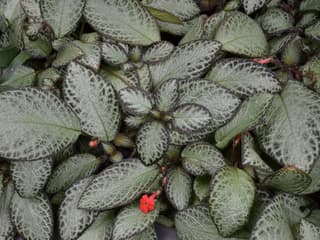
| Flame Violet | Easy | Partial shade | 7d | ✓ |
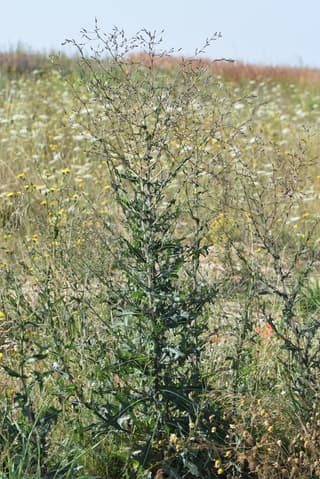
| Prickly Lettuce | Easy | Direct sun | 7d | ✓ |
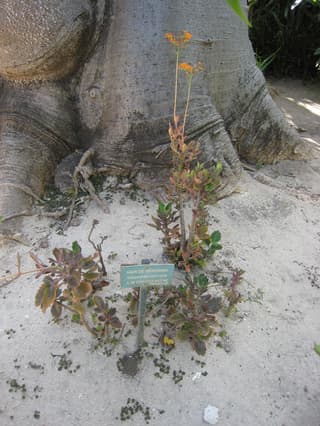
| Christmas Tree Plant | Easy | Bright indirect | 10d | ⚠️ |
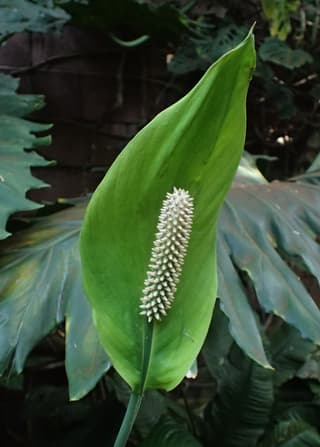
| Peace Lily | Easy | Low light | 7d | ⚠️ |