Iridaceae
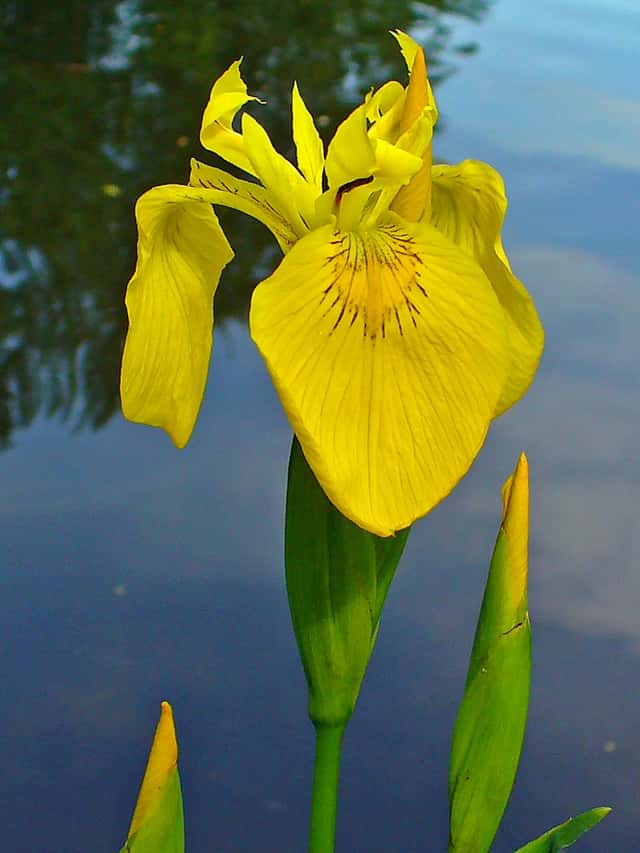
Yellow Flag Iris (Iris pseudacorus)
Iris pseudacorus
Yellow Flag Iris is a low-maintenance wetland plant that thrives in consistently moist to saturated soils or shallow water. Plant in full sun for best flowering. It is highly cold-hardy and spreads rapidly, so containment is advised in garden settings. Divide clumps every few years to maintain vigor.
Every 7 days
Direct sun
-34° - 32°C
50% - 80%
Categories
What is Yellow Flag Iris?
Yellow Flag Iris (Iris pseudacorus) is a easy-care plant from the Iridaceae family. Iris pseudacorus, commonly known as Yellow Flag Iris, is a vigorous aquatic perennial native to Europe and Western Asia. It thrives in wetlands, pond margins, and water gardens, producing striking bright yellow flowers in late spring to early summer. Its sword-like foliage and bold blooms make it a...
Yellow Flag Iris grows up to 1.5m, with spread of 90cm, watering every 7 days, -34°C – 32°C, 50–80% humidity. It is not suitable for indoor environments and not safe for pets.
Unlike many tropical plants, Yellow Flag Iris tolerates watering mistakes. Best for beginners. Without precautions, ingestion can cause irritation in pets. Keep out of reach of cats and dogs.
How to Care for Yellow Flag Iris?
TLDR: Yellow Flag Iris needs Direct sun, watering every 7 days, and temperatures between -34-32°C with 50-80% humidity.
How Often Should You Water Yellow Flag Iris?
Water deeply and consistently — this plant thrives in boggy, waterlogged conditions and can even grow in up to 30 cm of standing water. Never allow the roots to dry out. In garden beds, water every 5–7 days during dry spells.
How Much Light Does Yellow Flag Iris Need?
Prefers full sun (6+ hours daily) for optimal flowering. Tolerates partial shade but flower production will decrease. In very hot climates, light afternoon shade is beneficial.
What Is the Best Soil for Yellow Flag Iris?
Thrives in moist to wet, slightly acidic to neutral soils (pH 3.5–7.0). Loamy or clay soils with high organic content are ideal. Can grow directly in water or in saturated marginal soil.
What Pot Should You Use for Yellow Flag Iris?
Aquatic basket or large container with heavy loam compost for pond planting; terracotta or large plastic pot for bog garden use
Care Schedule
Fertilize
Every 90 days
What Is Yellow Flag Iris and Where Does It Come From?
Iris pseudacorus, commonly known as Yellow Flag Iris, is a vigorous aquatic perennial native to Europe and Western Asia. It thrives in wetlands, pond margins, and water gardens, producing striking bright yellow flowers in late spring to early summer. Its sword-like foliage and bold blooms make it a dramatic feature in water landscapes.
How to Propagate Yellow Flag Iris?
Rhizome Division
Divide every 3-4 years to prevent overcrowding and maintain vigorous flowering. Use a sharp, clean knife.
- 1 Lift the clump after flowering in midsummer to early autumn
- 2 Divide the rhizome into sections, each with healthy roots and foliage
- 3 Trim foliage to about 15 cm to reduce water loss
- 4 Replant immediately at the pond margin or in moist soil
- 5 Water well and keep consistently moist until established
Materials needed:
Seed Propagation
Fresh seed germinates more reliably. Keep seedlings consistently moist throughout their first growing season.
- 1 Collect seeds in autumn when seed pods turn brown
- 2 Soak seeds in warm water for 24 hours to aid germination
- 3 Sow in moist seed compost in pots, just covering seeds
- 4 Keep pots in a cold frame outdoors over winter
- 5 Transplant seedlings to final position in late spring
Materials needed:
How Big Does Yellow Flag Iris Grow?
TLDR: Yellow Flag Iris can reach up to 1.5m tall with Fast growth rate.
Max height
1.5m
Spread
90cm
Growth rate
Fast
Foliage
Deciduous
Warning: Toxic Plant
This plant can be toxic if ingested. Keep out of reach of:
Plant Uses
Ornamental
Great for decoration
Is your plant showing symptoms?
Click on the symptom to discover possible causes:
What Diseases Commonly Affect Yellow Flag Iris?
TLDR: Yellow Flag Iris is susceptible to 7 known diseases. Monitor regularly for early detection.
Bacterial Soft Rot
Bacterial soft rot is a destructive plant disease caused primarily by bacteria from the genera Pectobacterium (formerly Erwinia) and Dickeya. These bacteria produce enzymes that break down plant cell walls, causing rapid and foul-smelling tissue decomposition. It mainly affects succulent tissues such as tubers, fruits, stems, and bulbs, being especially problematic in warm and humid conditions.
Gray Mold (Botrytis Blight)
Gray mold, caused by the fungus Botrytis cinerea, is one of the most common fungal diseases in plants. It affects over 200 plant species, including ornamentals, vegetables, fruits, and houseplants. The disease thrives in cool, humid conditions with poor air circulation, causing grayish spots and soft rot on infected tissues.
Leaf Spot
Leaf spot is a common fungal disease caused by various pathogens including Alternaria, Ascochyta, Colletotrichum, Septoria, and Venturia. It primarily affects leaves, causing discolored spots that can lead to premature leaf drop if left untreated.
Aphids
Aphids are small, soft-bodied, pear-shaped insects (1/16 to 1/8 inch long) that feed by sucking nutrient-rich sap from plants. They reproduce rapidly and can quickly weaken plants, causing distorted growth and transmitting plant viruses. Aphids come in various colors including green, black, red, yellow, brown, and gray. They secrete honeydew, a sticky substance that attracts ants and encourages sooty mold growth.
Meaning & Symbolism
In European heraldry, the iris is associated with the fleur-de-lis, a symbol of France, royalty, and nobility. It represents faith, wisdom, and valor.
Fun Facts
Yellow Flag Iris is considered an invasive species in parts of North America, Australia, and New Zealand due to its aggressive spread in wetlands.
The fleur-de-lis symbol of France is believed to be inspired by Iris pseudacorus, which grows naturally along French riverbanks.
Despite its beauty, all parts of the plant are toxic — its rhizomes were historically used to make a black dye and as a crude poison.
Iris pseudacorus can survive in water with almost no oxygen and extremely acidic conditions where few other plants can grow.
Frequently asked questions
How often should I water Yellow Flag Iris?
Is Yellow Flag Iris toxic to pets?
How do I stop Yellow Flag Iris from spreading?
When does Yellow Flag Iris flower?
Can I grow Yellow Flag Iris in a garden without a pond?
Compare with similar plants
| Attribute | Difficulty | Light | Watering | Pet Safe |
|---|---|---|---|---|
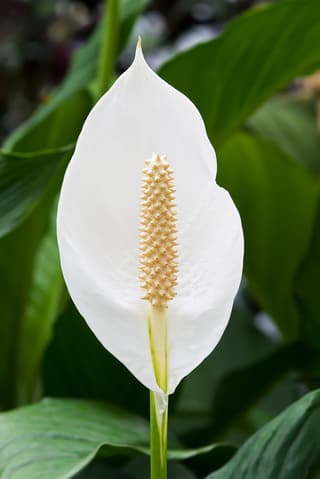
| Peace Lily | Easy | Low light | 4d | ⚠️ |
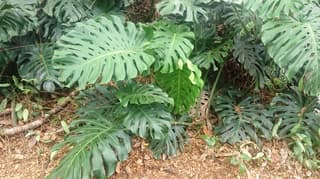
| Swiss Cheese Plant | Easy | Partial shade | 10d | ⚠️ |
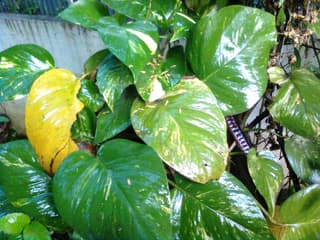
| Golden Pothos | Easy | Low light | 8d | ⚠️ |
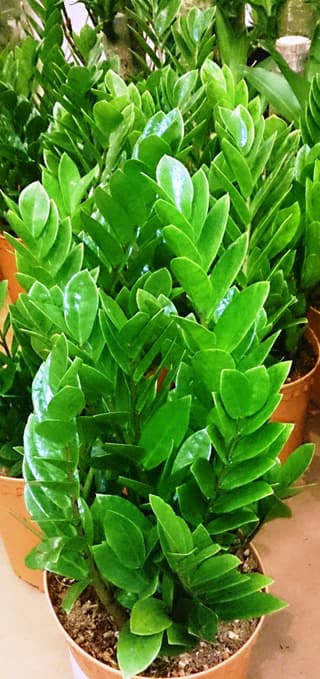
| ZZ Plant | Easy | Low light | 18d | ⚠️ |