Zingiberaceae
Yellow Marsh Ginger Lily (Hedychium chrysoleucum): Complete Growing Guide
Hedychium chrysoleucum
Easy-to-grow plant that prefers partial shade and moist soil. Water frequently to maintain soil moisture. Fertilize every 2 weeks in spring and summer. Reduce watering in winter during dormancy.
Every 3 days
Partial shade
18° - 32°C
60% - 80%
Categories
What is Yellow Marsh Ginger Lily?
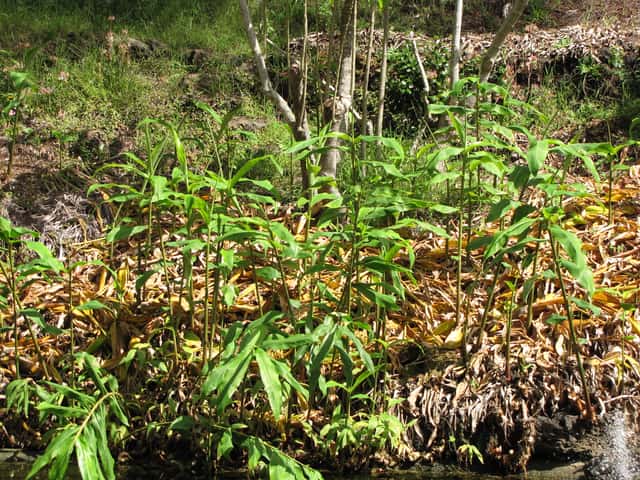
Yellow Marsh Ginger Lily (Hedychium chrysoleucum) is a easy-care plant from the Zingiberaceae family. Yellow Marsh Ginger Lily (Hedychium chrysoleucum) is a tropical perennial from the Zingiberaceae family, native to Brazil. It produces fragrant cream-yellow flowers throughout the year, with greatest abundance in spring and summer. A robust and low-maintenance plant, it is highly valued in landscapi...
Yellow Marsh Ginger Lily grows up to 1.8m, with spread of 75cm, watering every 3 days, 18°C – 32°C, 60–80% humidity. It is not suitable for indoor environments and safe for pets.
Unlike many tropical plants, Yellow Marsh Ginger Lily tolerates watering mistakes. Best for beginners. Unlike many popular species, Yellow Marsh Ginger Lily is safe to keep around pets.
How to Care for Yellow Marsh Ginger Lily?
TLDR: Yellow Marsh Ginger Lily needs Partial shade, watering every 3 days, and temperatures between 18-32°C with 60-80% humidity.
How Often Should You Water Yellow Marsh Ginger Lily?
Water every 2-3 days during summer, keeping the soil consistently moist. In winter, reduce to once a week. Avoid waterlogging, which can cause rhizome rot.
How Much Light Does Yellow Marsh Ginger Lily Need?
Prefers dappled shade or morning sun (bright indirect light). Avoid intense direct afternoon sun in hot climates. Thrives in garden areas near ponds and water features.
What Is the Best Soil for Yellow Marsh Ginger Lily?
Prefers fertile, organically rich soil with good moisture retention. Mix garden soil, organic compost, and sand for adequate drainage. Ideal pH is between 5.5 and 7.0.
What Pot Should You Use for Yellow Marsh Ginger Lily?
Large, deep ceramic or terracotta pot to accommodate the rhizomes. Ensure adequate drainage holes.
Care Schedule
Fertilize
Every 14 days
Misting
Every 3 days
Repot
Every 730 days
What Is Yellow Marsh Ginger Lily and Where Does It Come From?
Yellow Marsh Ginger Lily (Hedychium chrysoleucum) is a tropical perennial from the Zingiberaceae family, native to Brazil. It produces fragrant cream-yellow flowers throughout the year, with greatest abundance in spring and summer. A robust and low-maintenance plant, it is highly valued in landscaping near water bodies, ponds, and wetlands.
How to Propagate Yellow Marsh Ginger Lily?
Rhizome division
Divide preferably in spring when new shoots are emerging. Use sterilized tools to prevent disease.
- 1 Carefully remove the plant from the ground or pot
- 2 Divide the rhizomes with a clean, sharp knife, ensuring each division has at least one growing bud
- 3 Allow divisions to dry for a few hours to let the cuts callous
- 4 Plant each division in fertile, moist soil in a partially shaded location
- 5 Water moderately until the plant establishes
Materials needed:
How Big Does Yellow Marsh Ginger Lily Grow?
TLDR: Yellow Marsh Ginger Lily can reach up to 1.8m tall with Medium growth rate.
Max height
1.8m
Spread
75cm
Growth rate
Medium
Foliage
Deciduous
Plant Uses
Ornamental
Great for decoration
Culinary Uses
- Flowers are edible and used as culinary decoration in some regions, though sensitive individuals may experience allergic reactions
Is your plant showing symptoms?
Click on the symptom to discover possible causes:
What Diseases Commonly Affect Yellow Marsh Ginger Lily?
TLDR: Yellow Marsh Ginger Lily is susceptible to 7 known diseases. Monitor regularly for early detection.
Aphids
Aphids are small, soft-bodied, pear-shaped insects (1/16 to 1/8 inch long) that feed by sucking nutrient-rich sap from plants. They reproduce rapidly and can quickly weaken plants, causing distorted growth and transmitting plant viruses. Aphids come in various colors including green, black, red, yellow, brown, and gray. They secrete honeydew, a sticky substance that attracts ants and encourages sooty mold growth.
Scale Insects
Scale insects are small sap-sucking pests that appear as brown, shell-like bumps on plant stems and leaves. There are over 25 species, divided into armored (hard) and unarmored (soft) scales. They feed by piercing plant tissue and extracting sap, which weakens the plant and can lead to yellowing, stunted growth, and even death if left untreated. They also excrete honeydew, which attracts ants and promotes sooty mold growth.
Spider Mites
Spider mites are tiny arachnids (less than 1/20 inch long) related to spiders and ticks that feed on plant sap. They thrive in hot, dry conditions and can cause significant damage to ornamental and vegetable plants. During severe infestations, crop losses can reach 14% or higher as these pests disrupt vital plant processes including photosynthesis, carbon dioxide absorption, and transpiration.
Slugs and Snails
Slugs and snails are mollusks that feed on plant tissue, causing irregular holes in leaves and damage to young seedlings. They are most active at night and in moist conditions, leaving characteristic silvery slime trails. These pests can quickly devastate gardens, especially during wet seasons.
Meaning & Symbolism
Symbol of tropical elegance and exotic fragrance, associated with the natural beauty of Brazilian riverbanks and wetlands.
Fun Facts
Hedychium chrysoleucum is native to Brazil, rare among gingers that predominantly originate from Asia
Its flowers emit an intense, sweet fragrance, especially at dusk
The plant is so resilient that gardeners call it 'quite rustic' — it grows vigorously with minimal care
The rhizomes can be divided to propagate the plant, making it a great gift for fellow garden enthusiasts
Frequently asked questions
How often should I water the Yellow Marsh Ginger Lily?
Can the Yellow Marsh Ginger Lily be grown in containers?
What is the best location for Hedychium chrysoleucum?
Is the Yellow Marsh Ginger Lily toxic?
When does Hedychium chrysoleucum bloom?
Compare with similar plants
| Attribute | Difficulty | Light | Watering | Pet Safe |
|---|---|---|---|---|
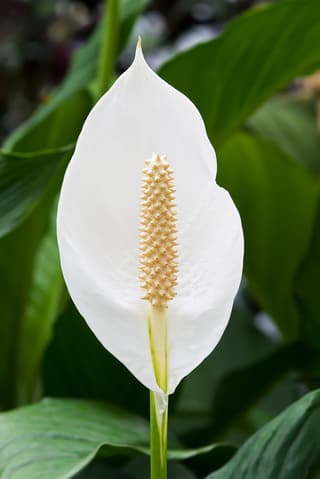
| Peace Lily | Easy | Low light | 4d | ⚠️ |
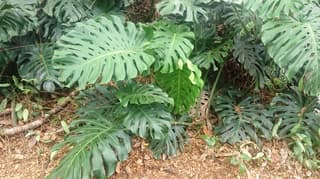
| Swiss Cheese Plant | Easy | Partial shade | 10d | ⚠️ |
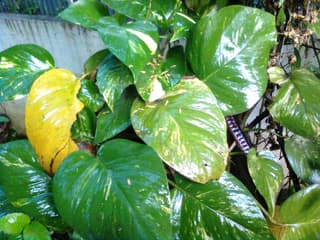
| Golden Pothos | Easy | Low light | 8d | ⚠️ |
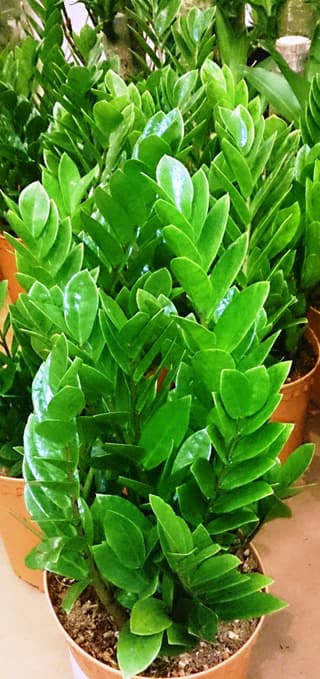
| ZZ Plant | Easy | Low light | 18d | ⚠️ |