Amaryllidaceae
Beach Spider Lily (Hymenocallis littoralis): Complete Care Guide
Hymenocallis littoralis
Easy-care plant that thrives in full sun to partial shade with well-drained soil and regular watering. Heat-tolerant and coastal-hardy. All parts are toxic to pets and humans if ingested.
Every 7 days
Bright indirect
18° - 38°C
60% - 85%
Categories
What is Beach Spider Lily?
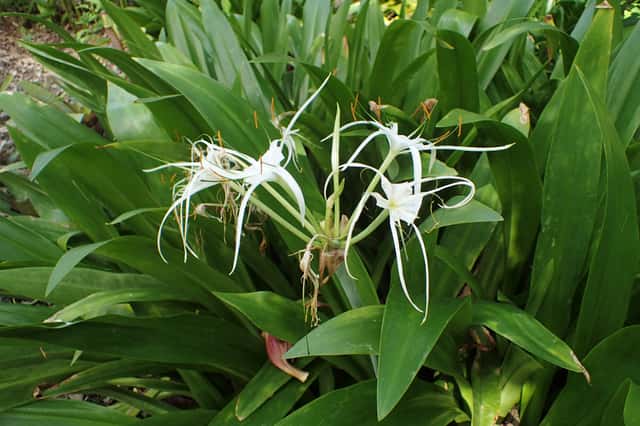
Beach Spider Lily (Hymenocallis littoralis) is a easy-care plant from the Amaryllidaceae family. The Beach Spider Lily (Hymenocallis littoralis) is a perennial bulbous plant in the Amaryllidaceae family, native to the tropical and subtropical coastal regions of the Americas, from the southeastern United States to South America. It produces fragrant, elegant white flowers with long, slender peta...
Beach Spider Lily grows up to 90cm, with spread of 70cm, watering every 7 days, 18°C – 38°C, 60–85% humidity. It is suitable for indoor environments and not safe for pets.
Unlike many tropical plants, Beach Spider Lily tolerates watering mistakes. Best for beginners. Without precautions, ingestion can cause irritation in pets. Keep out of reach of cats and dogs. Without adequate drainage, root rot can develop within 14 days.
How to Care for Beach Spider Lily?
TLDR: Beach Spider Lily needs Bright indirect, watering every 7 days, and temperatures between 18-38°C with 60-85% humidity.
How Often Should You Water Beach Spider Lily?
Water once a week, keeping soil evenly moist during the growing season. Avoid waterlogging — excess moisture causes root rot. Reduce watering in winter.
How Much Light Does Beach Spider Lily Need?
Thrives in full sun to partial shade with at least 6 hours of direct sunlight daily. In hot climates, afternoon shade helps prevent leaf scorch.
What Is the Best Soil for Beach Spider Lily?
Use well-draining, sandy or loamy soil rich in organic matter. Ideal pH between 6.5 and 7.5. Never allow the plant to sit in waterlogged conditions.
What Pot Should You Use for Beach Spider Lily?
Wide terracotta or ceramic pot with drainage holes. Choose a broad pot to accommodate bulb multiplication over time.
Care Schedule
Fertilize
Every 14 days
Repot
Every 730 days
What Is Beach Spider Lily and Where Does It Come From?
The Beach Spider Lily (Hymenocallis littoralis) is a perennial bulbous plant in the Amaryllidaceae family, native to the tropical and subtropical coastal regions of the Americas, from the southeastern United States to South America. It produces fragrant, elegant white flowers with long, slender petals resembling spider legs, rising above glossy dark-green strap-like foliage. Highly valued in coastal and tropical gardens for its ornamental beauty and salt-spray tolerance.
How to Propagate Beach Spider Lily?
Bulb Division
Divide in spring for best results. Ensure each bulb has healthy roots attached.
- 1 Carefully remove the plant from its pot or the ground
- 2 Separate offset bulbs from the parent bulb by hand or with a sterilized knife
- 3 Replant each bulb individually in well-draining potting mix
- 4 Water lightly and place in partial shade until established
Materials needed:
Seed Propagation
Seed propagation is slower and less reliable. Bulb division is strongly preferred for faster results.
- 1 Harvest mature seeds after flowering
- 2 Sow in moist, well-draining substrate
- 3 Keep in a warm location with indirect light
- 4 Wait for germination — can take weeks to months
Materials needed:
How Big Does Beach Spider Lily Grow?
TLDR: Beach Spider Lily can reach up to 90cm tall with Medium growth rate.
Max height
90cm
Spread
70cm
Growth rate
Medium
Foliage
Evergreen
Warning: Toxic Plant
This plant can be toxic if ingested. Keep out of reach of:
Plant Uses
Ornamental
Great for decoration
Is your plant showing symptoms?
Click on the symptom to discover possible causes:
What Diseases Commonly Affect Beach Spider Lily?
TLDR: Beach Spider Lily is susceptible to 6 known diseases. Monitor regularly for early detection.
Root Rot
Root rot is a serious fungal disease that affects the root system of plants, causing them to decay and die. It is primarily caused by overwatering, poor drainage, or soil-borne fungi such as Pythium, Phytophthora, Rhizoctonia, and Fusarium. The disease thrives in waterlogged conditions where roots are deprived of oxygen, making them susceptible to fungal infection.
Aphids
Aphids are small, soft-bodied, pear-shaped insects (1/16 to 1/8 inch long) that feed by sucking nutrient-rich sap from plants. They reproduce rapidly and can quickly weaken plants, causing distorted growth and transmitting plant viruses. Aphids come in various colors including green, black, red, yellow, brown, and gray. They secrete honeydew, a sticky substance that attracts ants and encourages sooty mold growth.
Spider Mites
Spider mites are tiny arachnids (less than 1/20 inch long) related to spiders and ticks that feed on plant sap. They thrive in hot, dry conditions and can cause significant damage to ornamental and vegetable plants. During severe infestations, crop losses can reach 14% or higher as these pests disrupt vital plant processes including photosynthesis, carbon dioxide absorption, and transpiration.
Gray Mold (Botrytis Blight)
Gray mold, caused by the fungus Botrytis cinerea, is one of the most common fungal diseases in plants. It affects over 200 plant species, including ornamentals, vegetables, fruits, and houseplants. The disease thrives in cool, humid conditions with poor air circulation, causing grayish spots and soft rot on infected tissues.
Fun Facts
The bulb contains lycorine, an alkaloid studied for potential medicinal properties
Each individual flower lasts only one day, but the plant produces a succession of blooms for weeks
Naturally adapted to coastal environments, it tolerates salt spray and sandy soils
The name 'spider lily' comes from the long, slender petals that resemble spider legs
Frequently asked questions
How often should I water Beach Spider Lily?
Is Beach Spider Lily toxic?
Can Beach Spider Lily be grown in pots?
When does Beach Spider Lily bloom?
Does Beach Spider Lily tolerate salt spray?
Compare with similar plants
| Attribute | Difficulty | Light | Watering | Pet Safe |
|---|---|---|---|---|
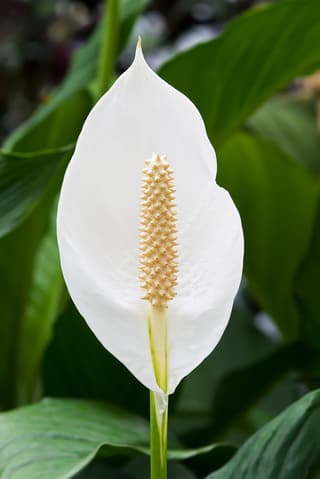
| Peace Lily | Easy | Low light | 4d | ⚠️ |
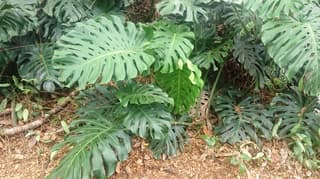
| Swiss Cheese Plant | Easy | Partial shade | 10d | ⚠️ |
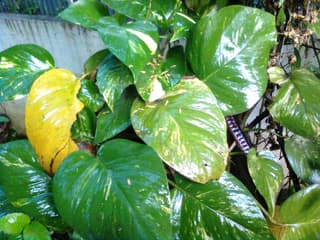
| Golden Pothos | Easy | Low light | 8d | ⚠️ |
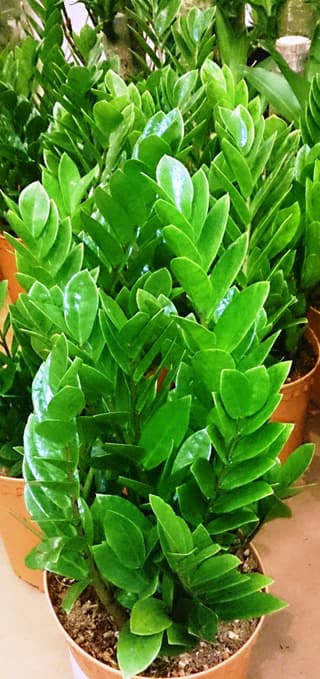
| ZZ Plant | Easy | Low light | 18d | ⚠️ |