Asparagaceae
Fragrant Plantain Lily (Hosta plantaginea): Complete Care Guide
Hosta plantaginea
An easy-care, hardy perennial ideal for shaded garden borders. Requires regular watering, rich organic soil, and protection from slugs and snails. Goes dormant in winter.
Every 7 days
Low light
-35° - 35°C
40% - 70%
Categories
What is Fragrant Plantain Lily?
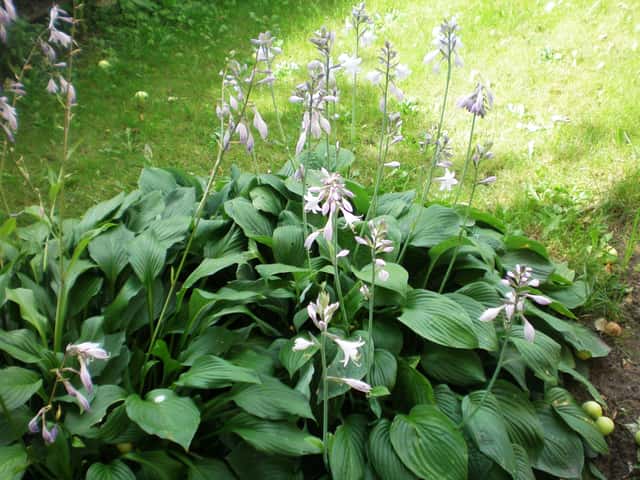
Fragrant Plantain Lily (Hosta plantaginea) is a easy-care plant from the Asparagaceae family. Hosta plantaginea, commonly known as the Fragrant Plantain Lily or August Lily, is a herbaceous perennial native to China. It is celebrated for its large, glossy, heart-shaped leaves and exceptionally fragrant white trumpet-shaped flowers that bloom in late summer. Unlike most hostas, its flowers em...
Fragrant Plantain Lily grows up to 45cm, with spread of 60cm, watering every 7 days, -35°C – 35°C, 40–70% humidity. It is not suitable for indoor environments and not safe for pets.
Unlike many tropical plants, Fragrant Plantain Lily tolerates watering mistakes. Best for beginners. Without precautions, ingestion can cause irritation in pets. Keep out of reach of cats and dogs.
How to Care for Fragrant Plantain Lily?
TLDR: Fragrant Plantain Lily needs Low light, watering every 7 days, and temperatures between -35-35°C with 40-70% humidity.
How Often Should You Water Fragrant Plantain Lily?
Water every 7 days, keeping soil evenly moist but not waterlogged. During heat waves, water twice per week. Always water at soil level to prevent fungal diseases.
How Much Light Does Fragrant Plantain Lily Need?
Thrives in partial to full shade. Morning sun is tolerated but protect from intense afternoon sun which can scorch the large leaves. Deeper shade results in more vigorous foliage.
What Is the Best Soil for Fragrant Plantain Lily?
Plant in rich, well-draining, organically amended soil with a pH of 6.0–7.5. Add compost when planting and apply a layer of mulch annually to retain moisture.
What Pot Should You Use for Fragrant Plantain Lily?
Garden border, large outdoor planter
Care Schedule
Fertilize
Every 30 days
What Is Fragrant Plantain Lily and Where Does It Come From?
Hosta plantaginea, commonly known as the Fragrant Plantain Lily or August Lily, is a herbaceous perennial native to China. It is celebrated for its large, glossy, heart-shaped leaves and exceptionally fragrant white trumpet-shaped flowers that bloom in late summer. Unlike most hostas, its flowers emit a sweet, powerful fragrance, especially in the evening, making it a favourite for shaded gardens worldwide.
How to Propagate Fragrant Plantain Lily?
Crown Division
Spring division is easiest and least stressful for the plant. Avoid dividing during summer when the plant is in full leaf.
- 1 Dig up the clump in early spring when shoots are just emerging
- 2 Use a sharp spade or knife to divide the clump into sections with at least 2-3 shoots each
- 3 Replant divisions immediately at the correct depth in prepared soil
- 4 Water thoroughly after planting and keep moist for the first few weeks
Materials needed:
Seed Sowing
Seed-grown plants may not retain all parent plant characteristics and take longer to flower — typically 3-4 years.
- 1 Sow seeds in moist seed-starting mix in spring
- 2 Cover lightly with fine mix
- 3 Keep in a warm location at 18-22°C
- 4 Transplant when seedlings have 2-3 true leaves
Materials needed:
How Big Does Fragrant Plantain Lily Grow?
TLDR: Fragrant Plantain Lily can reach up to 45cm tall with Medium growth rate.
Max height
45cm
Spread
60cm
Growth rate
Medium
Foliage
Deciduous
Warning: Toxic Plant
This plant can be toxic if ingested. Keep out of reach of:
Plant Uses
Ornamental
Great for decoration
Aromatic
Pleasant fragrance
Culinary Uses
- Young shoots are eaten as a spring vegetable in Japan, known as urui
Is your plant showing symptoms?
Click on the symptom to discover possible causes:
What Diseases Commonly Affect Fragrant Plantain Lily?
TLDR: Fragrant Plantain Lily is susceptible to 8 known diseases. Monitor regularly for early detection.
Anthracnose
Anthracnose is a fungal disease caused by fungi in the genus Colletotrichum that affects many plants, including vegetables, fruits, and trees. The disease thrives in cool, wet conditions, causing dark, sunken lesions on leaves, stems, flowers, and fruits.
Root Rot
Root rot is a serious fungal disease that affects the root system of plants, causing them to decay and die. It is primarily caused by overwatering, poor drainage, or soil-borne fungi such as Pythium, Phytophthora, Rhizoctonia, and Fusarium. The disease thrives in waterlogged conditions where roots are deprived of oxygen, making them susceptible to fungal infection.
Crown Rot
Crown rot is a serious fungal disease that attacks the crown (base) of the plant where the stem meets the soil. It is caused by various fungal pathogens including Phytophthora, Fusarium, and Rhizoctonia. The disease thrives in waterlogged conditions and can quickly spread to kill the entire plant if not addressed promptly.
Bacterial Soft Rot
Bacterial soft rot is a destructive plant disease caused primarily by bacteria from the genera Pectobacterium (formerly Erwinia) and Dickeya. These bacteria produce enzymes that break down plant cell walls, causing rapid and foul-smelling tissue decomposition. It mainly affects succulent tissues such as tubers, fruits, stems, and bulbs, being especially problematic in warm and humid conditions.
Meaning & Symbolism
Symbolizes devotion, patience, and the beauty found in shaded, quiet places.
Fun Facts
One of the few hostas with truly fragrant flowers, with scent strongest in the evening
Native to China, it has been cultivated as an ornamental plant for centuries
The white tubular flowers attract moths and night-flying pollinators
Young shoots are edible in Japanese cuisine, where they are called urui
Frequently asked questions
How often should I water Hosta plantaginea?
Is the Fragrant Plantain Lily toxic to cats and dogs?
Can I grow Hosta plantaginea in a container?
When does Hosta plantaginea flower?
How do I prevent slugs on my hosta?
Compare with similar plants
| Attribute | Difficulty | Light | Watering | Pet Safe |
|---|---|---|---|---|
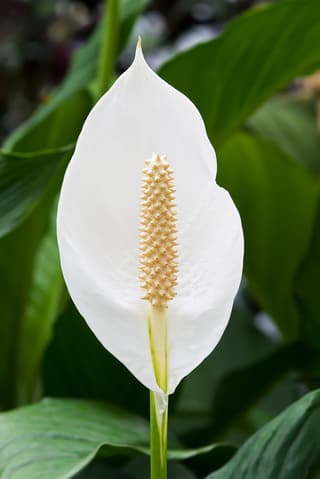
| Peace Lily | Easy | Low light | 4d | ⚠️ |
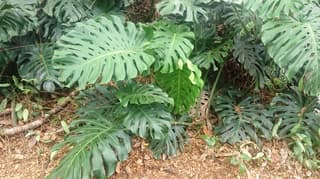
| Swiss Cheese Plant | Easy | Partial shade | 10d | ⚠️ |
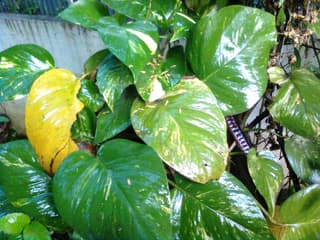
| Golden Pothos | Easy | Low light | 8d | ⚠️ |
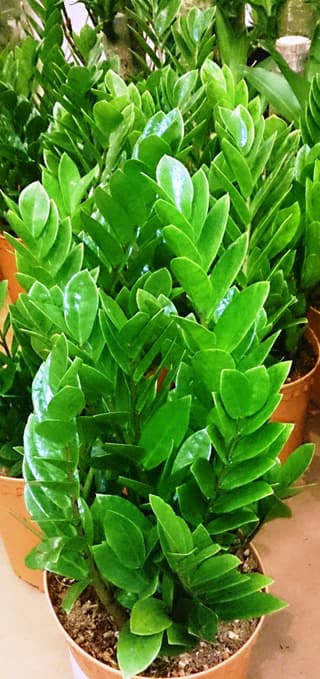
| ZZ Plant | Easy | Low light | 18d | ⚠️ |