Asphodelaceae
Tasman Flax Lily (Dianella tasmanica): Complete Care Guide
Dianella tasmanica
This drought-tolerant Australian native is very easy to grow. Water every 7-10 days, allow soil to partially dry between waterings, and provide partial shade to filtered sunlight. Fertilise once in spring. Divide clumps every 2-3 years to rejuvenate.
Every 9 days
Partial shade
-5° - 35°C
40% - 70%
Categories
What is Tasman Flax Lily?
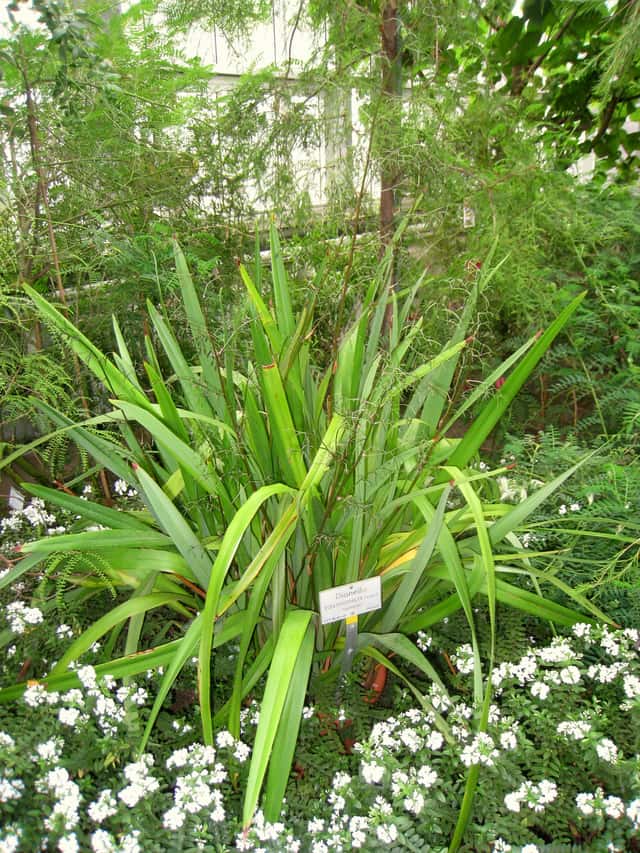
Tasman Flax Lily (Dianella tasmanica) is a easy-care plant from the Asphodelaceae family. Dianella tasmanica, commonly known as the Tasman Flax Lily, is an evergreen perennial native to Australia. It features long, strap-like glossy green leaves and produces delicate star-shaped blue-purple flowers in spring, followed by striking violet-blue berries. Hardy and low-maintenance, it thrives...
Tasman Flax Lily grows up to 1.5m, with spread of 90cm, watering every 9 days, -5°C – 35°C, 40–70% humidity. It is not suitable for indoor environments and not safe for pets.
Unlike many tropical plants, Tasman Flax Lily tolerates watering mistakes. Best for beginners. Without precautions, ingestion can cause irritation in pets. Keep out of reach of cats and dogs.
How to Care for Tasman Flax Lily?
TLDR: Tasman Flax Lily needs Partial shade, watering every 9 days, and temperatures between -5-35°C with 40-70% humidity.
How Often Should You Water Tasman Flax Lily?
Water thoroughly every 7-10 days, allowing the top inch of soil to dry between waterings. Established plants are drought tolerant. Avoid waterlogging, as root rot is the main threat.
How Much Light Does Tasman Flax Lily Need?
Prefers partial shade to filtered sunlight, mimicking its natural forest understory habitat. Can tolerate full sun in cooler climates with adequate moisture. Protect from intense midday sun in hot regions.
What Is the Best Soil for Tasman Flax Lily?
Plant in well-draining soil enriched with organic matter. Slightly acidic to neutral pH (5.5-7.0) is ideal. Avoid heavy clay soils that retain excessive moisture.
What Pot Should You Use for Tasman Flax Lily?
Terracotta or ceramic pot with drainage holes; a wide shallow container suits its spreading clump habit.
Care Schedule
Fertilize
Every 90 days
Repot
Every 730 days
What Is Tasman Flax Lily and Where Does It Come From?
Dianella tasmanica, commonly known as the Tasman Flax Lily, is an evergreen perennial native to Australia. It features long, strap-like glossy green leaves and produces delicate star-shaped blue-purple flowers in spring, followed by striking violet-blue berries. Hardy and low-maintenance, it thrives in garden borders, containers, and as ground cover.
How to Propagate Tasman Flax Lily?
Clump Division
Divide every 2-3 years to keep plants vigorous and to control spread. Clean tools with alcohol before use.
- 1 Dig up the entire clump in spring
- 2 Use a sharp spade or garden fork to divide into smaller sections, each with roots and foliage
- 3 Replant divisions at the same depth in prepared well-draining soil
- 4 Water well after planting and keep moist until established
Materials needed:
How Big Does Tasman Flax Lily Grow?
TLDR: Tasman Flax Lily can reach up to 1.5m tall with Medium growth rate.
Max height
1.5m
Spread
90cm
Growth rate
Medium
Foliage
Evergreen
Warning: Toxic Plant
This plant can be toxic if ingested. Keep out of reach of:
Plant Uses
Ornamental
Great for decoration
Ground Cover
Soil coverage
Is your plant showing symptoms?
Click on the symptom to discover possible causes:
What Diseases Commonly Affect Tasman Flax Lily?
TLDR: Tasman Flax Lily is susceptible to 10 known diseases. Monitor regularly for early detection.
Root Rot
Root rot is a serious fungal disease that affects the root system of plants, causing them to decay and die. It is primarily caused by overwatering, poor drainage, or soil-borne fungi such as Pythium, Phytophthora, Rhizoctonia, and Fusarium. The disease thrives in waterlogged conditions where roots are deprived of oxygen, making them susceptible to fungal infection.
Leaf Spot
Leaf spot is a common fungal disease caused by various pathogens including Alternaria, Ascochyta, Colletotrichum, Septoria, and Venturia. It primarily affects leaves, causing discolored spots that can lead to premature leaf drop if left untreated.
Rust
Rust is a common fungal disease caused by fungi in the order Pucciniales that affects a wide variety of plants. The disease gets its name from the characteristic orange, yellow, or reddish-brown pustules that appear on leaves, resembling metal rust. This obligate fungal parasite requires living plants to survive and can cause significant economic losses in agricultural crops.
Powdery Mildew
Powdery mildew is a common fungal disease caused by various fungi species including Erysiphe, Podosphaera, Oïdium, and Leveillula. It affects over 10,000 plant species worldwide. The disease thrives in warm, dry climates with high humidity and appears as a distinctive white powdery coating on plant surfaces.
Meaning & Symbolism
Resilience and natural beauty, often associated with the rugged Australian bush landscape.
Fun Facts
The violet-blue berries of Dianella tasmanica were used as a food source by Aboriginal Australians, though they are considered toxic in larger quantities.
The tough, fibrous leaves were traditionally used by Aboriginal Australians to weave baskets and make string.
Dianella comes from the Latin word for Diana, the Roman goddess of the hunt, reflecting the plant's wild, naturalistic character.
Despite its grass-like appearance, Dianella tasmanica is not actually a grass but belongs to the Asphodelaceae family.
Frequently asked questions
How often should I water Dianella tasmanica?
Is Dianella tasmanica toxic to pets?
Can Dianella tasmanica grow indoors?
When does Dianella tasmanica flower?
How do I propagate Dianella tasmanica?
Compare with similar plants
| Attribute | Difficulty | Light | Watering | Pet Safe |
|---|---|---|---|---|
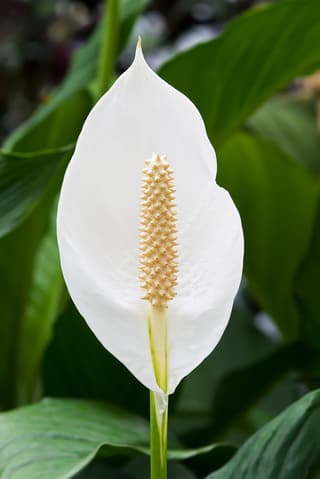
| Peace Lily | Easy | Low light | 4d | ⚠️ |
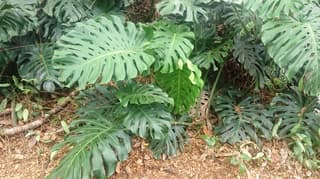
| Swiss Cheese Plant | Easy | Partial shade | 10d | ⚠️ |
| Golden Pothos | Easy | Low light | 8d | ⚠️ |
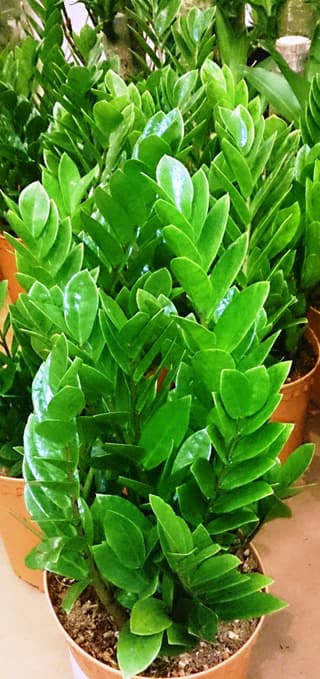
| ZZ Plant | Easy | Low light | 18d | ⚠️ |