Amaryllidaceae
Swamp Lily (Crinum) — Complete Care Guide
Crinum
Crinums are resilient, low-maintenance bulbous plants suited to warm gardens. Plant in full sun to part shade in well-draining, fertile soil. Water regularly during the growing season and allow the soil to dry slightly between waterings. They are fairly drought-tolerant once established and rarely troubled by pests or diseases.
Every 10 days
Bright indirect
-4° - 38°C
40% - 70%
Categories
What is Swamp Lily?
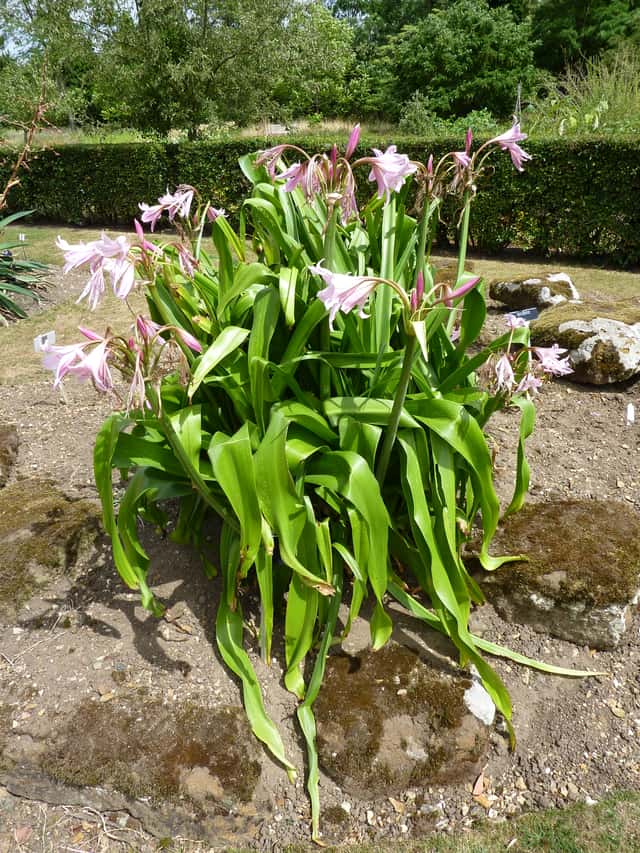
Swamp Lily (Crinum) is a easy-care plant from the Amaryllidaceae family. Crinum is a large genus of about 180 bulbous plants in the family Amaryllidaceae, native to tropical and subtropical regions across Africa, Asia, and the Americas. Known as swamp lilies or crinum lilies, these bold, clump-forming plants produce strap-like leaves and spectacular fragrant flowers in s...
Swamp Lily grows up to 1.5m, spread of 120cm, watering every 10 days, -4°C – 38°C, 40–70% humidity. It is not suitable for indoor environments and not safe for pets.
Unlike many tropical plants, Swamp Lily tolerates watering mistakes. Best for beginners. Without precautions, ingestion can cause irritation in pets. Keep out of reach of cats and dogs.
How to Care for Swamp Lily?
TLDR: Swamp Lily needs Bright indirect, watering every 10 days, and temperatures between -4-38°C with 40-70% humidity.
How Often Should You Water Swamp Lily?
Water every 7–14 days during the growing season, allowing the top few centimetres of soil to dry between waterings. Reduce watering significantly in winter dormancy. Avoid waterlogging, which can cause bulb rot.
How Much Light Does Swamp Lily Need?
Plant in full sun (6+ hours) for best flowering; tolerate partial shade, especially in hot climates where afternoon shade prevents leaf scorch. Indoors they need a very bright, sunny window and are better suited to outdoor cultivation.
What Is the Best Soil for Swamp Lily?
Use well-draining, fertile loamy or sandy soil enriched with organic matter. A pH of 6.0–7.5 is ideal. Avoid heavy clay that retains excess moisture around the bulbs.
What Pot Should You Use for Swamp Lily?
Large terracotta or ceramic pot (40 cm+ diameter) with drainage holes for container growing; crinums prefer being slightly root-bound and dislike frequent repotting.
Care Schedule
Fertilize
Every 60 days
Repot
Every 730 days
What Is Swamp Lily and Where Does It Come From?
Crinum is a large genus of about 180 bulbous plants in the family Amaryllidaceae, native to tropical and subtropical regions across Africa, Asia, and the Americas. Known as swamp lilies or crinum lilies, these bold, clump-forming plants produce strap-like leaves and spectacular fragrant flowers in shades of white and pink, typically in summer. Common species include C. asiaticum (giant crinum), C. moorei (Moore's crinum), and the garden hybrid C. × powellii.
How to Propagate Swamp Lily?
Bulb Division
Divided plants may take one to two seasons to bloom freely. Plant bulbs with the neck just above soil level.
- 1 Dig up the clump during winter dormancy when the plant is not actively growing.
- 2 Separate offset bulbs (pups) from the mother bulb by hand or with a clean knife.
- 3 Allow cut surfaces to dry for a day to prevent rotting.
- 4 Replant offsets at the same depth as the mother bulb in well-draining soil.
- 5 Water lightly and wait for new growth before resuming regular watering.
Materials needed:
Seed Propagation
Seed-grown plants can take 3–5 years to flower. Fresh seed gives the best germination rates.
- 1 Collect seeds after the seedpod has turned yellow and opened.
- 2 Sow seeds immediately as they lose viability quickly.
- 3 Plant in moist, well-draining mix at a depth of 2–3 cm.
- 4 Keep warm (21–27°C) and consistently moist until germination.
- 5 Transplant seedlings once they have developed 2–3 leaves.
Materials needed:
How Big Does Swamp Lily Grow?
TLDR: Swamp Lily can reach up to 1.5m tall with Medium growth rate.
Max height
1.5m
Spread
1.2m
Growth rate
Medium
Foliage
Deciduous
Warning: Toxic Plant
This plant can be toxic if ingested. Keep out of reach of:
Plant Uses
Ornamental
Great for decoration
Is your plant showing symptoms?
Click on the symptom to discover possible causes:
What Diseases Commonly Affect Swamp Lily?
TLDR: Swamp Lily is susceptible to 7 known diseases. Monitor regularly for early detection.
Root Rot
Root rot is a serious fungal disease that affects the root system of plants, causing them to decay and die. It is primarily caused by overwatering, poor drainage, or soil-borne fungi such as Pythium, Phytophthora, Rhizoctonia, and Fusarium. The disease thrives in waterlogged conditions where roots are deprived of oxygen, making them susceptible to fungal infection.
Overwatering
Overwatering occurs when plants receive too much water, depriving roots of oxygen and causing root rot. This environmental stress is one of the most common causes of houseplant death, as waterlogged soil prevents roots from breathing and functioning properly.
Spider Mites
Spider mites are tiny arachnids (less than 1/20 inch long) related to spiders and ticks that feed on plant sap. They thrive in hot, dry conditions and can cause significant damage to ornamental and vegetable plants. During severe infestations, crop losses can reach 14% or higher as these pests disrupt vital plant processes including photosynthesis, carbon dioxide absorption, and transpiration.
Leaf Spot
Leaf spot is a common fungal disease caused by various pathogens including Alternaria, Ascochyta, Colletotrichum, Septoria, and Venturia. It primarily affects leaves, causing discolored spots that can lead to premature leaf drop if left untreated.
Meaning & Symbolism
Often planted in cemeteries and cottage gardens, crinum lilies symbolise resilience, enduring beauty, and the continuity of life across generations.
Fun Facts
The Crinum genus contains roughly 180 species distributed across tropical and subtropical regions on every inhabited continent.
Crinum asiaticum bulbs can weigh over 5 kg and the plant can live for decades, becoming a garden heirloom passed between generations.
Crinum flowers are pollinated by hawk moths — the long, tubular blooms and night fragrance are perfectly adapted to these large nocturnal pollinators.
Despite being called "spider lily", true Crinum is distinct from Hymenocallis (also called spider lily) — both belong to Amaryllidaceae but are separate genera.
Frequently asked questions
How often should I water a Crinum lily?
Can Crinum lilies grow in shade?
Are Crinum lilies toxic to pets?
When do Crinum lilies bloom?
How do I propagate Crinum?
Compare with similar plants
| Attribute | Difficulty | Light | Watering | Pet Safe |
|---|---|---|---|---|
| Field Maple | Easy | Bright indirect | 14d | ✓ |
| Silver Birch | Easy | Direct sun | 14d | ✓ |
| Cushion Bush | Easy | Direct sun | 14d | ✓ |
| Peruvian peppertree | Easy | Direct sun | 14d | ⚠️ |





