Amaryllidaceae
Poison Bulb (Crinum asiaticum)
Crinum asiaticum
Low-maintenance tropical bulb. Thrives in full sun with rich, well-draining soil. Water regularly but avoid waterlogging. Fertilize monthly during the growing season. Important: all parts are highly toxic to humans and animals.
Every 7 days
Direct sun
7° - 38°C
60% - 85%
Categories
What is Poison Bulb?
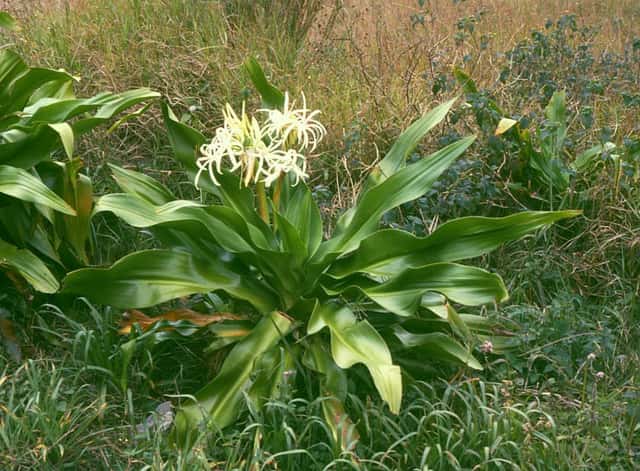
Poison Bulb (Crinum asiaticum) is a easy-care plant from the Amaryllidaceae family. Crinum asiaticum, commonly known as poison bulb or giant crinum lily, is a large tropical bulbous plant in the family Amaryllidaceae. Native to coastal areas of tropical Asia, it produces spectacular umbels of fragrant white flowers on tall scapes above a rosette of long, strap-like evergreen leaves...
Poison Bulb grows up to 1.8m, with spread of 120cm, watering every 7 days, 7°C – 38°C, 60–85% humidity. It is not suitable for indoor environments and not safe for pets.
Unlike many tropical plants, Poison Bulb tolerates watering mistakes. Best for beginners. Without precautions, ingestion can cause irritation in pets. Keep out of reach of cats and dogs.
How to Care for Poison Bulb?
TLDR: Poison Bulb needs Direct sun, watering every 7 days, and temperatures between 7-38°C with 60-85% humidity.
How Often Should You Water Poison Bulb?
Water every 7 days during the growing season, keeping soil consistently moist but never waterlogged. Reduce watering in cooler months. Overwatering is the primary cause of bulb rot.
How Much Light Does Poison Bulb Need?
Provide full sun (6-8 hours daily). Can tolerate partial shade in intense heat climates, but flowering will be reduced significantly.
What Is the Best Soil for Poison Bulb?
Use rich, well-draining soil amended with compost and perlite. Ideal pH between 6.0 and 7.0. Plant bulbs with the top third exposed above soil level.
What Pot Should You Use for Poison Bulb?
Large terracotta or ceramic pot (minimum 40 cm diameter) with drainage holes, or plant directly in the garden border.
Care Schedule
Fertilize
Every 30 days
Repot
Every 365 days
What Is Poison Bulb and Where Does It Come From?
Crinum asiaticum, commonly known as poison bulb or giant crinum lily, is a large tropical bulbous plant in the family Amaryllidaceae. Native to coastal areas of tropical Asia, it produces spectacular umbels of fragrant white flowers on tall scapes above a rosette of long, strap-like evergreen leaves. Widely cultivated in tropical and subtropical gardens for its bold, dramatic appearance.
How to Propagate Poison Bulb?
Bulb Division
Divide every 3-4 years to prevent overcrowding and stimulate better flowering. Always wear gloves as the sap can cause skin irritation.
- 1 Carefully dig up the main bulb clump after dormancy
- 2 Separate offsets (pup bulbs) with intact roots using your hands or a clean knife
- 3 Replant divided bulbs with the top third above soil level
- 4 Water lightly and keep in partial shade for 2 weeks to establish
Materials needed:
How Big Does Poison Bulb Grow?
TLDR: Poison Bulb can reach up to 1.8m tall with Medium growth rate.
Max height
1.8m
Spread
1.2m
Growth rate
Medium
Foliage
Evergreen
Warning: Toxic Plant
This plant can be toxic if ingested. Keep out of reach of:
Plant Uses
Ornamental
Great for decoration
Medicinal Uses
- Ornamental use only — NEVER ingest, highly toxic plant
Is your plant showing symptoms?
Click on the symptom to discover possible causes:
What Diseases Commonly Affect Poison Bulb?
TLDR: Poison Bulb is susceptible to 10 known diseases. Monitor regularly for early detection.
Anthracnose
Anthracnose is a fungal disease caused by fungi in the genus Colletotrichum that affects many plants, including vegetables, fruits, and trees. The disease thrives in cool, wet conditions, causing dark, sunken lesions on leaves, stems, flowers, and fruits.
Root Rot
Root rot is a serious fungal disease that affects the root system of plants, causing them to decay and die. It is primarily caused by overwatering, poor drainage, or soil-borne fungi such as Pythium, Phytophthora, Rhizoctonia, and Fusarium. The disease thrives in waterlogged conditions where roots are deprived of oxygen, making them susceptible to fungal infection.
Overwatering
Overwatering occurs when plants receive too much water, depriving roots of oxygen and causing root rot. This environmental stress is one of the most common causes of houseplant death, as waterlogged soil prevents roots from breathing and functioning properly.
Mealybugs
Mealybugs are small, soft-bodied insects covered with a white, waxy, cottony material. They are common pests of houseplants and outdoor plants in mild climates. These sap-sucking insects feed on plant tissue, causing damage, stunted growth, and can lead to plant death if left untreated. They produce sticky honeydew which attracts sooty mold.
Meaning & Symbolism
In Asian coastal cultures, the giant crinum is a symbol of tropical resilience and natural beauty, often grown in seaside gardens.
Fun Facts
Can live for decades and form large clumps with dozens of bulbs
Its fragrant flowers attract night-flying hawk moths for pollination
The name poison bulb refers to alkaloids lycorine and pancratistatin found throughout the entire plant
One of the few ornamental plants that thrives vigorously in coastal environments with salt air
Frequently asked questions
How often should I water poison bulb?
Is Crinum asiaticum toxic to pets?
Can poison bulb grow in pots?
Why is my Crinum asiaticum not flowering?
Compare with similar plants
| Attribute | Difficulty | Light | Watering | Pet Safe |
|---|---|---|---|---|
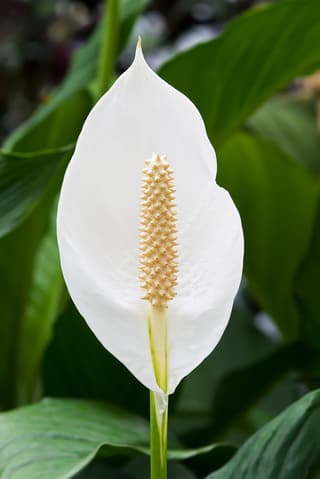
| Peace Lily | Easy | Low light | 4d | ⚠️ |
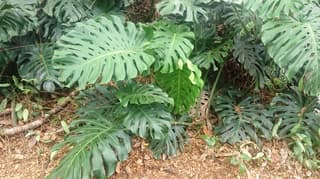
| Swiss Cheese Plant | Easy | Partial shade | 10d | ⚠️ |
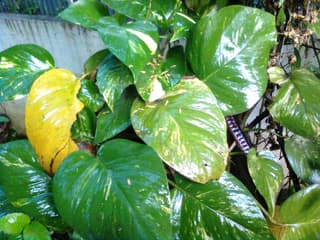
| Golden Pothos | Easy | Low light | 8d | ⚠️ |
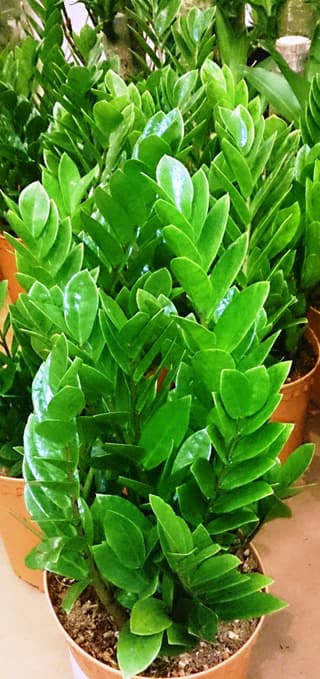
| ZZ Plant | Easy | Low light | 18d | ⚠️ |