Asparagaceae
Lily of the Valley (Convallaria majalis): Complete Care Guide
Convallaria majalis
A low-maintenance woodland perennial that thrives in shade with consistently moist, humus-rich soil. Water weekly during the growing season and reduce during dormancy. No misting required. Fertilize lightly once in spring. Divides easily every 3–4 years to prevent overcrowding.
Every 7 days
Low light
5° - 18°C
50% - 70%
Categories
What is Lily of the Valley?
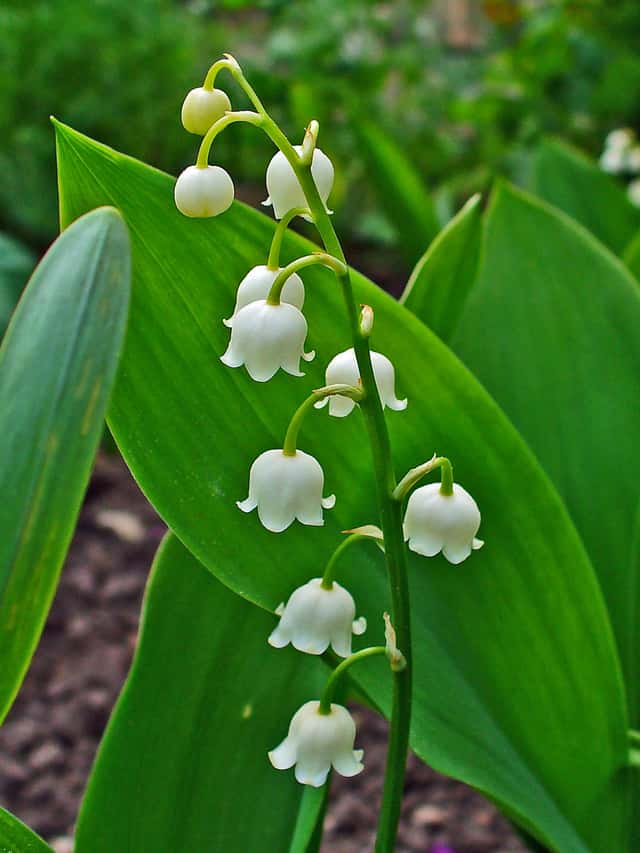
Lily of the Valley (Convallaria majalis) is a easy-care plant from the Asparagaceae family. Lily of the Valley (Convallaria majalis) is a delicate, shade-loving perennial native to the cool temperate woodlands of Europe and Asia. It produces elegant, arching stems adorned with pairs of lance-shaped leaves and dainty, bell-shaped white flowers with an intensely sweet fragrance. Despite its...
Lily of the Valley grows up to 20cm, with spread of 30cm, watering every 7 days, 5°C – 18°C, 50–70% humidity. It is not suitable for indoor environments and not safe for pets.
Unlike many tropical plants, Lily of the Valley tolerates watering mistakes. Best for beginners. Without precautions, ingestion can cause irritation in pets. Keep out of reach of cats and dogs.
How to Care for Lily of the Valley?
TLDR: Lily of the Valley needs Low light, watering every 7 days, and temperatures between 5-18°C with 50-70% humidity.
How Often Should You Water Lily of the Valley?
Water regularly to keep the soil consistently moist, especially during the spring growing season. Reduce watering once the foliage dies back in summer. Avoid waterlogging — ensure good drainage to prevent crown and root rot.
How Much Light Does Lily of the Valley Need?
Prefers partial to full shade. Protect from direct afternoon sun, which can scorch the delicate leaves. A spot under deciduous trees or on the north/east side of a building is ideal. Tolerates low light very well.
What Is the Best Soil for Lily of the Valley?
Plant in humus-rich, well-draining soil with a slightly acidic to neutral pH (5.5–7.0). Amend with compost or leaf mold to improve moisture retention and fertility. Avoid heavy clay soils that become waterlogged.
What Pot Should You Use for Lily of the Valley?
Low, wide terracotta or ceramic pot with drainage holes for container growing. Alternatively, plant directly in the ground in a shaded woodland bed.
Care Schedule
Fertilize
Every 30 days
What Is Lily of the Valley and Where Does It Come From?
Lily of the Valley (Convallaria majalis) is a delicate, shade-loving perennial native to the cool temperate woodlands of Europe and Asia. It produces elegant, arching stems adorned with pairs of lance-shaped leaves and dainty, bell-shaped white flowers with an intensely sweet fragrance. Despite its delicate appearance, it is a vigorous spreader that forms dense ground-covering colonies. All parts of the plant are highly toxic due to cardiac glycosides, making it dangerous to children and pets.
How to Propagate Lily of the Valley?
Rhizome Division
Divide every 3–4 years to prevent overcrowding and maintain vigorous flowering. Autumn division gives the best results.
- 1 Dig up established clumps in early autumn or early spring
- 2 Gently separate the rhizomes (pips), ensuring each has at least one growth bud
- 3 Replant the pips 6–8 inches apart and 0.5–1.5 inches deep in prepared shade bed
- 4 Water well after planting and mulch to retain moisture
Materials needed:
How Big Does Lily of the Valley Grow?
TLDR: Lily of the Valley can reach up to 20cm tall with Medium growth rate.
Max height
20cm
Spread
30cm
Growth rate
Medium
Foliage
Deciduous
Warning: Toxic Plant
This plant can be toxic if ingested. Keep out of reach of:
Plant Uses
Ornamental
Great for decoration
Aromatic
Pleasant fragrance
Is your plant showing symptoms?
Click on the symptom to discover possible causes:
What Diseases Commonly Affect Lily of the Valley?
TLDR: Lily of the Valley is susceptible to 11 known diseases. Monitor regularly for early detection.
Gray Mold (Botrytis Blight)
Gray mold, caused by the fungus Botrytis cinerea, is one of the most common fungal diseases in plants. It affects over 200 plant species, including ornamentals, vegetables, fruits, and houseplants. The disease thrives in cool, humid conditions with poor air circulation, causing grayish spots and soft rot on infected tissues.
Gray Mold (Botrytis Blight)
Gray mold, caused by the fungus Botrytis cinerea, is a widespread necrotrophic pathogen affecting over 1,400 plant species. It thrives in cool, humid conditions and attacks weakened or aging plant tissues, causing soft rot and characteristic gray fuzzy growth.
Leaf Spot
Leaf spot is a common fungal disease caused by various pathogens including Alternaria, Ascochyta, Colletotrichum, Septoria, and Venturia. It primarily affects leaves, causing discolored spots that can lead to premature leaf drop if left untreated.
Anthracnose
Anthracnose is a fungal disease caused by fungi in the genus Colletotrichum that affects many plants, including vegetables, fruits, and trees. The disease thrives in cool, wet conditions, causing dark, sunken lesions on leaves, stems, flowers, and fruits.
Meaning & Symbolism
Lily of the Valley symbolizes the return of happiness, purity, and innocence. In France, it is traditionally gifted on May 1st (May Day) as a token of good luck. It is a popular flower in wedding bouquets, representing new beginnings and lasting love.
Fun Facts
Lily of the Valley is the national flower of Finland and Yugoslavia, and was carried in Princess Kate's royal wedding bouquet in 2011.
All parts of the plant contain over 38 cardiac glycosides — the same compounds found in some heart medications.
Despite its toxicity, Convallaria majalis has been used in traditional medicine for centuries to treat heart conditions.
The delicate bells typically bloom for only 2–3 weeks each spring, making their appearance all the more precious.
Frequently asked questions
How often should I water Lily of the Valley?
Is Lily of the Valley toxic to pets?
Can Lily of the Valley grow indoors?
Why is my Lily of the Valley not flowering?
How do I control the spread of Lily of the Valley?
Compare with similar plants
| Attribute | Difficulty | Light | Watering | Pet Safe |
|---|---|---|---|---|
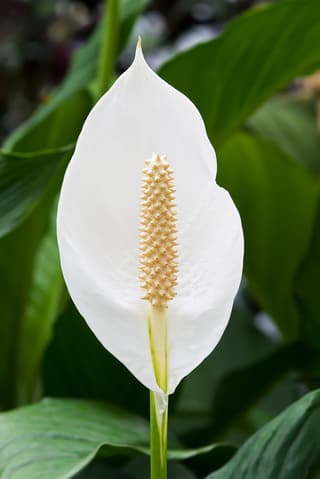
| Peace Lily | Easy | Low light | 4d | ⚠️ |
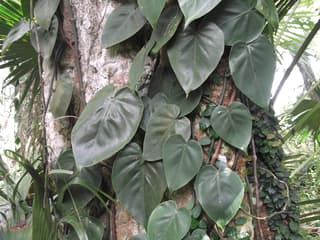
| Swiss Cheese Plant | Easy | Partial shade | 10d | ⚠️ |
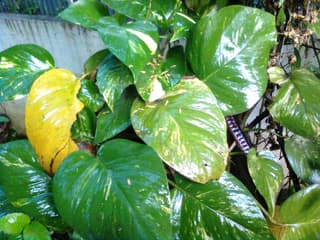
| Golden Pothos | Easy | Low light | 8d | ⚠️ |
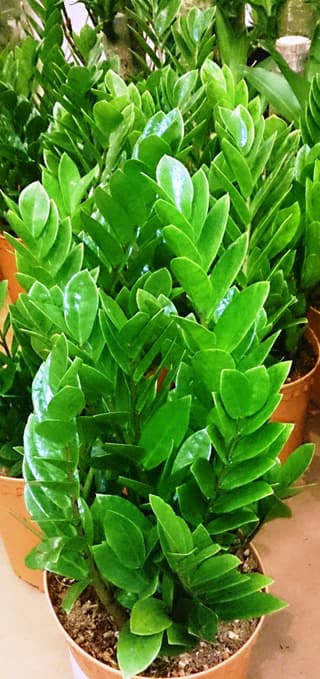
| ZZ Plant | Easy | Low light | 18d | ⚠️ |