Gentianaceae
Lisianthus (Eustoma grandiflorum): Complete Growing Guide
Eustoma grandiflorum
Lisianthus requires full sun, well-drained soil, and moderate watering. Avoid waterlogged conditions. Fertilize every 14 days during the growing season and keep temperatures between 10°C and 29°C. Not frost-hardy.
Every 9 days
Direct sun
10° - 29°C
50% - 70%
Categories
What is Lisianthus?
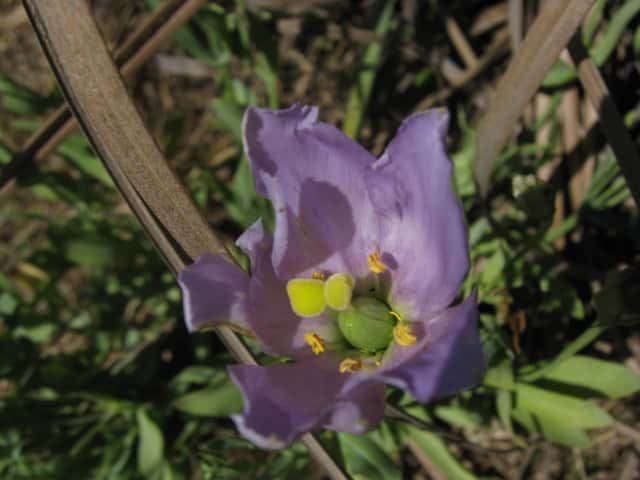
Lisianthus (Eustoma grandiflorum) is a hard-care plant from the Gentianaceae family. Lisianthus (Eustoma grandiflorum) is a stunning flowering plant native to the southern Great Plains of North America, including southern USA and Mexico. Its rose-like blooms come in shades of white, pink, purple, blue, and bicolor. Prized as one of the finest cut flowers in the world, it is widely u...
Lisianthus grows up to 90cm, spread of 30cm, watering every 9 days, 10°C – 29°C, 50–70% humidity. It is suitable for indoor environments and safe for pets.
Unlike easy-care plants, Lisianthus demands constant attention to humidity and light. Not recommended for beginners. Unlike many popular species, Lisianthus is safe to keep around pets. Without adequate drainage, root rot can develop within 18 days.
How to Care for Lisianthus?
TLDR: Lisianthus needs Direct sun, watering every 9 days, and temperatures between 10-29°C with 50-70% humidity.
How Often Should You Water Lisianthus?
Water every 8 to 10 days, allowing the top inch of soil to dry between waterings. Avoid overwatering as soggy soil leads to root rot. Reduce watering frequency during cooler months.
How Much Light Does Lisianthus Need?
Provide at least 6 hours of direct sunlight daily. In regions with very hot summers, afternoon shade is beneficial. Indoors, place near a south- or east-facing window for maximum brightness.
What Is the Best Soil for Lisianthus?
Use well-draining soil enriched with organic matter or perlite. Maintain pH between 6.0 and 7.0. Avoid heavy clay soils that retain too much moisture.
What Pot Should You Use for Lisianthus?
Terracotta or ceramic pots with generous drainage holes. Avoid oversized containers; lisianthus prefers pots proportional to its root system.
Care Schedule
Fertilize
Every 14 days
What Is Lisianthus and Where Does It Come From?
Lisianthus (Eustoma grandiflorum) is a stunning flowering plant native to the southern Great Plains of North America, including southern USA and Mexico. Its rose-like blooms come in shades of white, pink, purple, blue, and bicolor. Prized as one of the finest cut flowers in the world, it is widely used in bridal bouquets and floral arrangements. Though notoriously difficult to grow, the reward is breathtaking.
How to Propagate Lisianthus?
Seed Propagation
Seeds are extremely small and slow to germinate. Most gardeners prefer purchasing transplants from nurseries. Keep humidity stable during germination.
- 1 Sow seeds in a fine, moist seed-starting mix
- 2 Cover lightly with vermiculite and maintain temperature at 21-24°C
- 3 Germination occurs in 2-3 weeks; keep humidity consistent
- 4 Transplant seedlings when they have 2-3 true leaves
- 5 Handle roots gently as they are very delicate
Materials needed:
How Big Does Lisianthus Grow?
TLDR: Lisianthus can reach up to 90cm tall with Slow growth rate.
Max height
90cm
Spread
30cm
Growth rate
Slow
Foliage
Deciduous
Plant Uses
Ornamental
Great for decoration
Is your plant showing symptoms?
Click on the symptom to discover possible causes:
What Diseases Commonly Affect Lisianthus?
TLDR: Lisianthus is susceptible to 11 known diseases. Monitor regularly for early detection.
Fusarium Wilt
Fusarium wilt is a serious fungal disease caused by the soil-borne fungus Fusarium oxysporum. The fungus invades roots and blocks the water-conducting vessels (xylem) of the plant, causing progressive wilting and eventual death. Host-specific forms of the pathogen exist that attack different plant species.
Gray Mold (Botrytis Blight)
Gray mold, caused by the fungus Botrytis cinerea, is a widespread necrotrophic pathogen affecting over 1,400 plant species. It thrives in cool, humid conditions and attacks weakened or aging plant tissues, causing soft rot and characteristic gray fuzzy growth.
Gray Mold (Botrytis Blight)
Gray mold, caused by the fungus Botrytis cinerea, is one of the most common fungal diseases in plants. It affects over 200 plant species, including ornamentals, vegetables, fruits, and houseplants. The disease thrives in cool, humid conditions with poor air circulation, causing grayish spots and soft rot on infected tissues.
Root Rot
Root rot is a serious fungal disease that affects the root system of plants, causing them to decay and die. It is primarily caused by overwatering, poor drainage, or soil-borne fungi such as Pythium, Phytophthora, Rhizoctonia, and Fusarium. The disease thrives in waterlogged conditions where roots are deprived of oxygen, making them susceptible to fungal infection.
Meaning & Symbolism
Lisianthus symbolizes appreciation, charisma, and a lifelong bond. It is widely used in wedding bouquets to express eternal love and gratitude.
Fun Facts
Lisianthus takes 5 to 7 months from seed to first bloom
A single Lisianthus flower can last up to 3 weeks in a cut flower arrangement
It is nicknamed the "rose of the 21st century" for its beauty and vase life
The name Eustoma comes from Greek meaning "beautiful mouth", referring to the flower shape
Frequently asked questions
How often should I water Lisianthus?
Is Lisianthus toxic to pets?
Why is my Lisianthus not blooming?
Can I grow Lisianthus indoors?
When is the best time to plant Lisianthus?
Compare with similar plants
| Attribute | Difficulty | Light | Watering | Pet Safe |
|---|---|---|---|---|
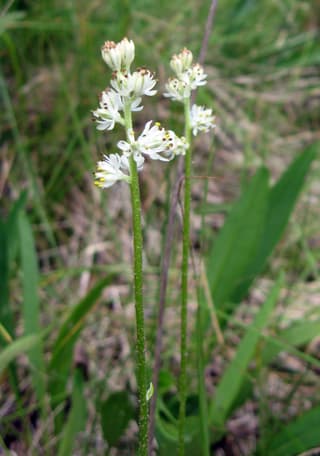
| Sticky false asphodel | Hard | Bright indirect | 1d | ✓ |
| Creeping bentgrass | Hard | Direct sun | 3d | ✓ |
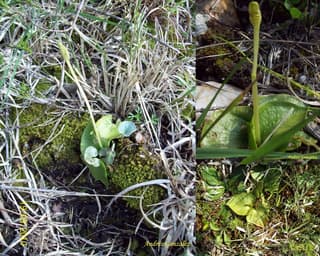
| Bulbous Adder's-tongue | Hard | Partial shade | 4d | ✓ |
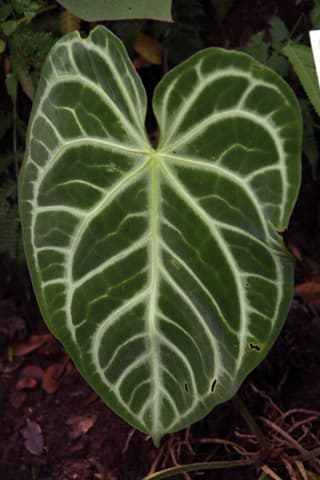
| Crystal Anthurium | Hard | Partial shade | 7d | ⚠️ |