Campanulaceae
Edging lobelia: Perfect Plant for Beginners
Lobelia erinus
Lobelia prefers moist soils rich in organic matter and locations with filtered sunlight or partial shade, especially in hot climates.
Every 6 days
Bright indirect
10° - 25°C
50% - 70%
Categories
What is Edging lobelia?
Edging lobelia (Lobelia erinus) is a easy-care plant from the Campanulaceae family. Lobelia erinus is a delicate herbaceous plant, widely appreciated for its abundant blooms in vibrant shades of blue, purple, and white. Native to South Africa, it grows in low mounds or cascades, making it perfect for borders, window boxes, and hanging baskets. Although it is a perennial in tropical...
Edging lobelia grows up to 30cm, with spread of 30cm, watering every 6 days, 10°C – 25°C, 50–70% humidity. It is not suitable for indoor environments and not safe for pets.
Unlike many tropical plants, Edging lobelia tolerates watering mistakes. Best for beginners. Without precautions, ingestion can cause irritation in pets. Keep out of reach of cats and dogs.
How to Care for Edging lobelia?
TLDR: Edging lobelia needs Bright indirect, watering every 6 days, and temperatures between 10-25°C with 50-70% humidity.
How Often Should You Water Edging lobelia?
Keep the soil consistently moist. If the plant dries out completely, it may not fully recover.
How Much Light Does Edging lobelia Need?
Prefers full sun in mild climates but requires partial shade during the hottest hours of the day in tropical regions to prevent the flowers from wilting.
What Is the Best Soil for Edging lobelia?
Use a fertile substrate rich in humus with excellent moisture retention capacity, while still allowing for drainage.
What Pot Should You Use for Edging lobelia?
Hanging baskets or self-watering pots to maintain constant moisture.
Care Schedule
Fertilize
Every 14 days
What Is Edging lobelia and Where Does It Come From?
Lobelia erinus is a delicate herbaceous plant, widely appreciated for its abundant blooms in vibrant shades of blue, purple, and white. Native to South Africa, it grows in low mounds or cascades, making it perfect for borders, window boxes, and hanging baskets. Although it is a perennial in tropical climates, it is often grown as an annual in cooler regions due to its sensitivity to extreme heat and frost.
How to Propagate Edging lobelia?
Sowing
- Cover the pot with clear plastic to maintain humidity until germination.
- 1 Soil preparation
Use a fine, well-drained substrate, moistening it before sowing.
- 2 Sowing
Scatter the tiny seeds over the surface. Do not cover them with soil, as they need light to germinate.
- 3 Maintenance
Keep the soil moist with a spray bottle and place in a bright, warm location.
Materials needed:
Stem cuttings
- Using rooting hormone can increase the chances of success.
- 1 Cutting
Cut a healthy stem about 10cm long that does not have flowers.
- 2 Preparation
Remove the leaves from the bottom half of the stem.
- 3 Planting
Insert the cutting into a light substrate and keep in a shaded, moist location.
Materials needed:
How Big Does Edging lobelia Grow?
TLDR: Edging lobelia can reach up to 30cm tall with Medium growth rate.
Max height
30cm
Spread
30cm
Growth rate
Medium
Foliage
Deciduous
Warning: Toxic Plant
This plant can be toxic if ingested. Keep out of reach of:
Plant Uses
Ornamental
Great for decoration
Medicinal Uses
- Asthma treatment (historical use)
- Expectorant (historical use)
Is your plant showing symptoms?
Click on the symptom to discover possible causes:
What Diseases Commonly Affect Edging lobelia?
TLDR: Edging lobelia is susceptible to 9 known diseases. Monitor regularly for early detection.
Powdery Mildew
Powdery mildew is a common fungal disease caused by various fungi species including Erysiphe, Podosphaera, Oïdium, and Leveillula. It affects over 10,000 plant species worldwide. The disease thrives in warm, dry climates with high humidity and appears as a distinctive white powdery coating on plant surfaces.
Gray Mold (Botrytis Blight)
Gray mold, caused by the fungus Botrytis cinerea, is one of the most common fungal diseases in plants. It affects over 200 plant species, including ornamentals, vegetables, fruits, and houseplants. The disease thrives in cool, humid conditions with poor air circulation, causing grayish spots and soft rot on infected tissues.
Root Rot
Root rot is a serious fungal disease that affects the root system of plants, causing them to decay and die. It is primarily caused by overwatering, poor drainage, or soil-borne fungi such as Pythium, Phytophthora, Rhizoctonia, and Fusarium. The disease thrives in waterlogged conditions where roots are deprived of oxygen, making them susceptible to fungal infection.
Damping Off
Damping off is a soil-borne fungal disease that affects seeds and young seedlings, causing rotting of stem and root tissues at and below the soil line. It is caused by several fungi including Pythium, Rhizoctonia, Fusarium, and Phytophthora. The disease thrives in cold, wet conditions with poor air circulation.
Meaning & Symbolism
Symbolizes distinction, modesty, and serenity due to its deep blue color.
Compare with similar plants
| Attribute | Difficulty | Light | Watering | Pet Safe |
|---|---|---|---|---|
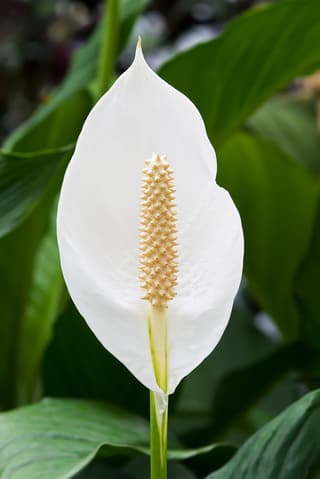
| Peace Lily | Easy | Low light | 4d | ⚠️ |
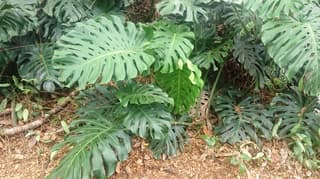
| Swiss Cheese Plant | Easy | Partial shade | 10d | ⚠️ |
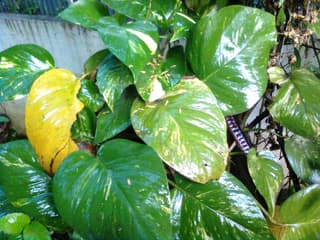
| Golden Pothos | Easy | Low light | 8d | ⚠️ |
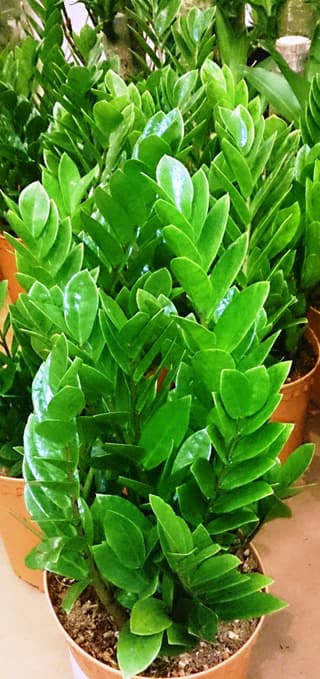
| ZZ Plant | Easy | Low light | 18d | ⚠️ |