Asteraceae
Dandelion: Edible Plant
Taraxacum sect. Taraxacum
It is a very low-maintenance plant that thrives in full sun and adapts to almost any soil type, as long as it is not permanently waterlogged.
Every 7 days
Direct sun
-29° - 30°C
30% - 80%
Categories
What is Dandelion?
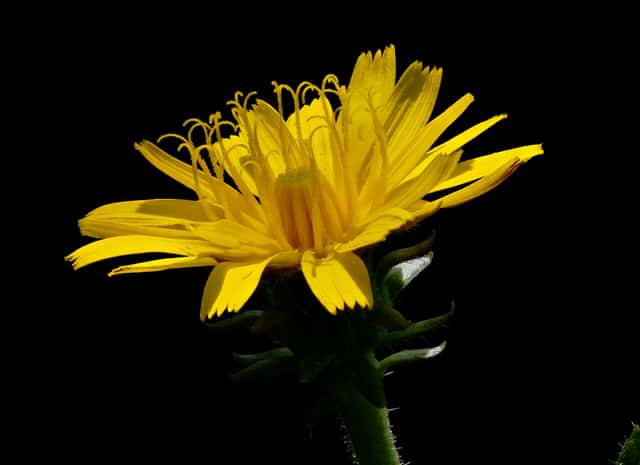
Dandelion (Taraxacum sect. Taraxacum) is a easy-care plant from the Asteraceae family. The dandelion is an extremely resilient perennial herbaceous plant, known for its basal rosette of jagged leaves and bright yellow flowers. It is famous for its ability to colonize various habitats and for its 'pappus', the sphere of feathery seeds that disperse with the wind. Although often conside...
Dandelion grows up to 50cm, with spread of 30cm, watering every 7 days, -29°C – 30°C, 30–80% humidity. It is not suitable for indoor environments and safe for pets.
Unlike many tropical plants, Dandelion tolerates watering mistakes. Best for beginners. Unlike many popular species, Dandelion is safe to keep around pets.
How to Care for Dandelion?
TLDR: Dandelion needs Direct sun, watering every 7 days, and temperatures between -29-30°C with 30-80% humidity.
How Often Should You Water Dandelion?
Water when the soil surface feels dry to the touch; it is moderately drought-tolerant once established.
How Much Light Does Dandelion Need?
Requires direct sun exposure for optimal flowering and vigorous growth.
What Is the Best Soil for Dandelion?
Preferes deep, loose soils that allow for taproot expansion, though it tolerates compacted soils.
What Pot Should You Use for Dandelion?
Deep pots of at least 25 cm to allow for the development of its long taproot.
What Is Dandelion and Where Does It Come From?
The dandelion is an extremely resilient perennial herbaceous plant, known for its basal rosette of jagged leaves and bright yellow flowers. It is famous for its ability to colonize various habitats and for its 'pappus', the sphere of feathery seeds that disperse with the wind. Although often considered a weed, it is a highly nutritious and medicinal plant.
How to Propagate Dandelion?
Seed sowing
- Keep the substrate consistently moist but not saturated during germination.
- 1 Collection
Collect the seeds when the flower head has turned into a white, feathery sphere.
- 2 Sowing
Scatter the seeds over the surface of a moist substrate.
- 3 Light
Do not cover the seeds with soil, as they need light to germinate; press down lightly.
Materials needed:
Root cuttings
- Any root fragment left in the soil has the potential to generate a new plant.
- 1 Extraction
Dig up a mature plant, trying to remove most of the main taproot.
- 2 Cutting
Cut root pieces about 5 cm in length.
- 3 Planting
Plant the pieces vertically in pots, respecting the original direction of growth.
Materials needed:
How Big Does Dandelion Grow?
TLDR: Dandelion can reach up to 50cm tall with Fast growth rate.
Max height
50cm
Spread
30cm
Growth rate
Fast
Foliage
Deciduous
Plant Uses
Medicinal
Medicinal properties
Edible
Can be consumed
Ornamental
Great for decoration
Medicinal Uses
- Natural diuretic
- Liver and digestive tonic
- Rich in vitamins A, C, and K
- Antioxidant properties
Culinary Uses
- Tender leaves in salads
- Roasted roots as a coffee substitute
- Petals for making wine or jam
- Sautéed leaves as a side dish
Is your plant showing symptoms?
Click on the symptom to discover possible causes:
What Diseases Commonly Affect Dandelion?
TLDR: Dandelion is susceptible to 5 known diseases. Monitor regularly for early detection.
Powdery Mildew
Powdery mildew is a common fungal disease caused by various fungi species including Erysiphe, Podosphaera, Oïdium, and Leveillula. It affects over 10,000 plant species worldwide. The disease thrives in warm, dry climates with high humidity and appears as a distinctive white powdery coating on plant surfaces.
Leaf Spot
Leaf spot is a common fungal disease caused by various pathogens including Alternaria, Ascochyta, Colletotrichum, Septoria, and Venturia. It primarily affects leaves, causing discolored spots that can lead to premature leaf drop if left untreated.
Root Rot
Root rot is a serious fungal disease that affects the root system of plants, causing them to decay and die. It is primarily caused by overwatering, poor drainage, or soil-borne fungi such as Pythium, Phytophthora, Rhizoctonia, and Fusarium. The disease thrives in waterlogged conditions where roots are deprived of oxygen, making them susceptible to fungal infection.
Aphids
Aphids are small, soft-bodied, pear-shaped insects (1/16 to 1/8 inch long) that feed by sucking nutrient-rich sap from plants. They reproduce rapidly and can quickly weaken plants, causing distorted growth and transmitting plant viruses. Aphids come in various colors including green, black, red, yellow, brown, and gray. They secrete honeydew, a sticky substance that attracts ants and encourages sooty mold growth.
Meaning & Symbolism
Represents resilience, survival, and the ability to bloom even in difficult conditions.
Compare with similar plants
| Attribute | Difficulty | Light | Watering | Pet Safe |
|---|---|---|---|---|
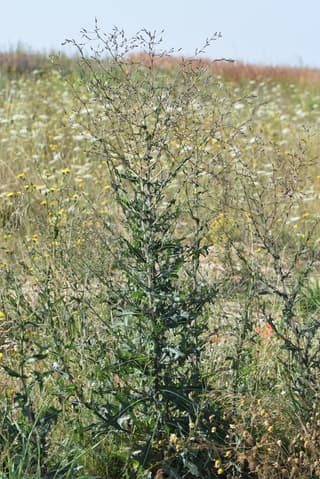
| Wild Lettuce | Medium | Direct sun | 7d | ⚠️ |
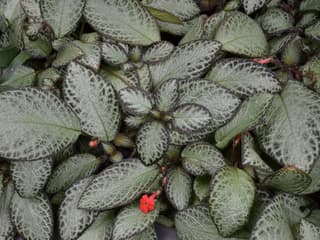
| Flame Violet | Easy | Partial shade | 7d | ✓ |
| Prickly Lettuce | Easy | Direct sun | 7d | ✓ |
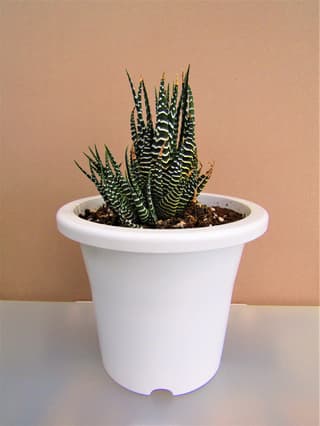
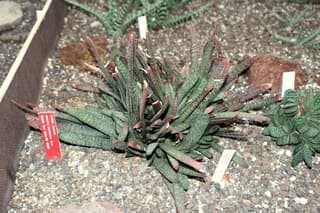
| Haworthiopsis (genus) | Easy | Partial shade | 14d | ✓ |