Brassicaceae
Lyreleaf Rockcress: Edible Plant
Arabidopsis lyrata
This plant is very low-maintenance, requiring well-drained soil and bright light. It is exceptionally cold-hardy and prefers to dry out slightly between waterings.
Every 12 days
Bright indirect
-20° - 25°C
30% - 65%
Categories
What is Lyreleaf Rockcress?
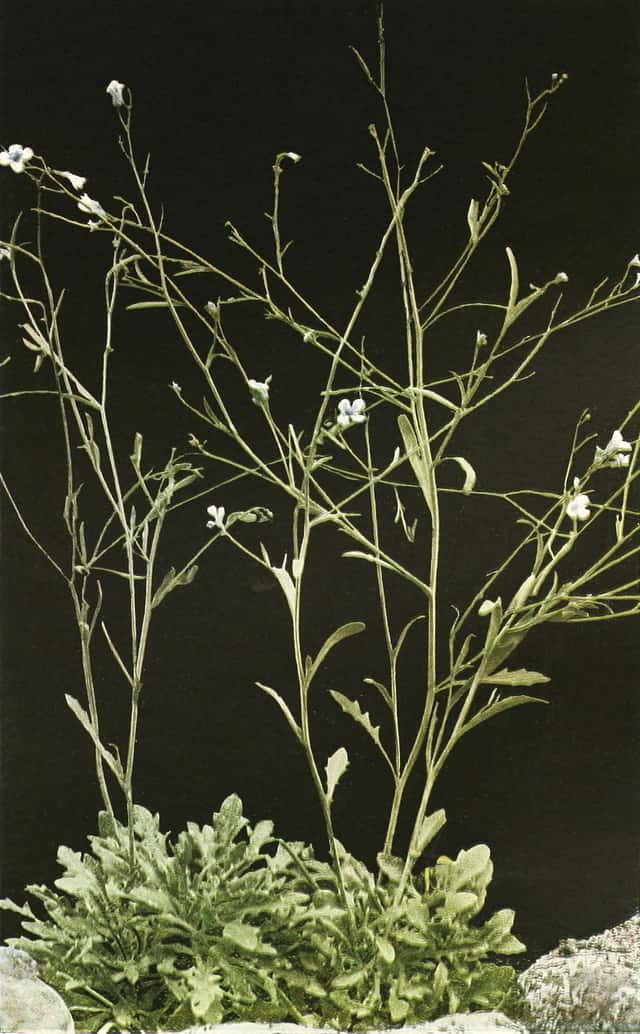
Lyreleaf Rockcress (Arabidopsis lyrata) is a easy-care plant from the Brassicaceae family. Arabidopsis lyrata, commonly known as Lyreleaf Rockcress, is a hardy perennial herb native to the Northern Hemisphere. It is characterized by a basal rosette of lyre-shaped leaves and produces delicate, four-petaled white flowers on slender stems. It is frequently found in rocky outcrops and sandy e...
Lyreleaf Rockcress grows up to 40cm, with spread of 25cm, watering every 12 days, -20°C – 25°C, 30–65% humidity. It is not suitable for indoor environments and safe for pets.
Unlike many tropical plants, Lyreleaf Rockcress tolerates watering mistakes. Best for beginners. Unlike many popular species, Lyreleaf Rockcress is safe to keep around pets.
How to Care for Lyreleaf Rockcress?
TLDR: Lyreleaf Rockcress needs Bright indirect, watering every 12 days, and temperatures between -20-25°C with 30-65% humidity.
How Often Should You Water Lyreleaf Rockcress?
Water at the base of the plant to keep the foliage dry and prevent fungal issues.
How Much Light Does Lyreleaf Rockcress Need?
Thrives in full sun but can tolerate partial shade in regions with very hot summers.
What Is the Best Soil for Lyreleaf Rockcress?
Prefers a lean, gritty soil mix. Avoid heavy clay or highly organic soils that retain too much moisture.
What Pot Should You Use for Lyreleaf Rockcress?
Terracotta pots with excellent drainage are ideal to prevent root rot.
What Is Lyreleaf Rockcress and Where Does It Come From?
Arabidopsis lyrata, commonly known as Lyreleaf Rockcress, is a hardy perennial herb native to the Northern Hemisphere. It is characterized by a basal rosette of lyre-shaped leaves and produces delicate, four-petaled white flowers on slender stems. It is frequently found in rocky outcrops and sandy environments, making it a popular choice for rock gardens and as a model organism in botanical research.
How to Propagate Lyreleaf Rockcress?
Seed Sowing
- Cold stratification for 2 weeks can improve germination rates.
- 1 Prepare Soil
Use a sandy, well-draining seed starting mix.
- 2 Sow Seeds
Press seeds lightly into the surface; they require light to germinate.
- 3 Maintain Moisture
Mist the soil surface regularly to keep it moist but not soggy.
Materials needed:
Basal Division
- Perform division in early spring before the plant begins its main growth spurt.
- 1 Expose Roots
Carefully lift the basal rosette from the ground or pot.
- 2 Separate Sections
Gently pull apart the rosettes, ensuring each section has a portion of the root system.
- 3 Replant
Plant the divisions immediately into gritty soil and water lightly.
Materials needed:
How Big Does Lyreleaf Rockcress Grow?
TLDR: Lyreleaf Rockcress can reach up to 40cm tall with Fast growth rate.
Max height
40cm
Spread
25cm
Growth rate
Fast
Foliage
Semi-evergreen
Plant Uses
Ornamental
Great for decoration
Edible
Can be consumed
Is your plant showing symptoms?
Click on the symptom to discover possible causes:
What Diseases Commonly Affect Lyreleaf Rockcress?
TLDR: Lyreleaf Rockcress is susceptible to 8 known diseases. Monitor regularly for early detection.
Powdery Mildew
Powdery mildew is a common fungal disease caused by various fungi species including Erysiphe, Podosphaera, Oïdium, and Leveillula. It affects over 10,000 plant species worldwide. The disease thrives in warm, dry climates with high humidity and appears as a distinctive white powdery coating on plant surfaces.
Root Rot
Root rot is a serious fungal disease that affects the root system of plants, causing them to decay and die. It is primarily caused by overwatering, poor drainage, or soil-borne fungi such as Pythium, Phytophthora, Rhizoctonia, and Fusarium. The disease thrives in waterlogged conditions where roots are deprived of oxygen, making them susceptible to fungal infection.
Leaf Spot
Leaf spot is a common fungal disease caused by various pathogens including Alternaria, Ascochyta, Colletotrichum, Septoria, and Venturia. It primarily affects leaves, causing discolored spots that can lead to premature leaf drop if left untreated.
Aphids
Aphids are small, soft-bodied, pear-shaped insects (1/16 to 1/8 inch long) that feed by sucking nutrient-rich sap from plants. They reproduce rapidly and can quickly weaken plants, causing distorted growth and transmitting plant viruses. Aphids come in various colors including green, black, red, yellow, brown, and gray. They secrete honeydew, a sticky substance that attracts ants and encourages sooty mold growth.
Meaning & Symbolism
Often associated with resilience and the ability to thrive in harsh, rocky conditions.
Compare with similar plants
| Attribute | Difficulty | Light | Watering | Pet Safe |
|---|---|---|---|---|
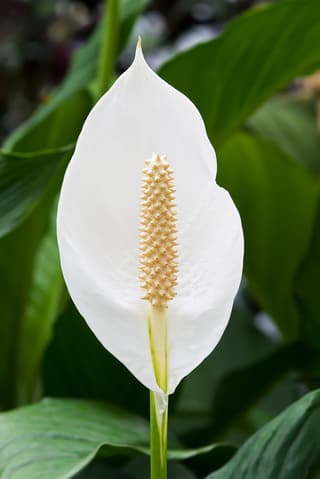
| Peace Lily | Easy | Low light | 4d | ⚠️ |
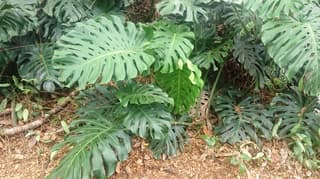
| Swiss Cheese Plant | Easy | Partial shade | 10d | ⚠️ |
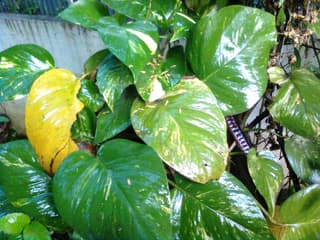
| Golden Pothos | Easy | Low light | 8d | ⚠️ |
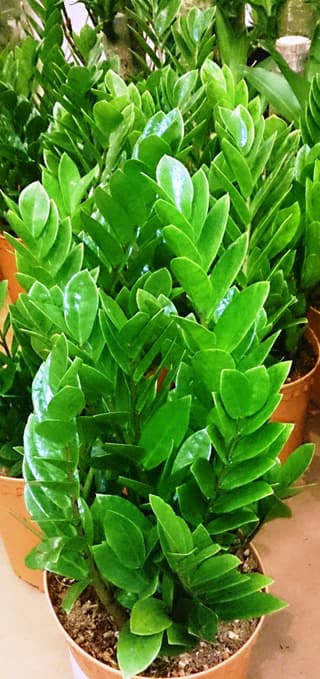
| ZZ Plant | Easy | Low light | 18d | ⚠️ |