Lythraceae
Loosestrife (Lythrum genus) — Care Guide
Lythrum
Outdoor plant preferring full sun and consistently moist soil. Tolerates waterlogged conditions, making it ideal for pond edges and rain gardens. Hardy in zones 3-9. Low maintenance once established.
Every 4 days
Direct sun
-34° - 35°C
50% - 80%
Categories
What is Loosestrife (genus)?
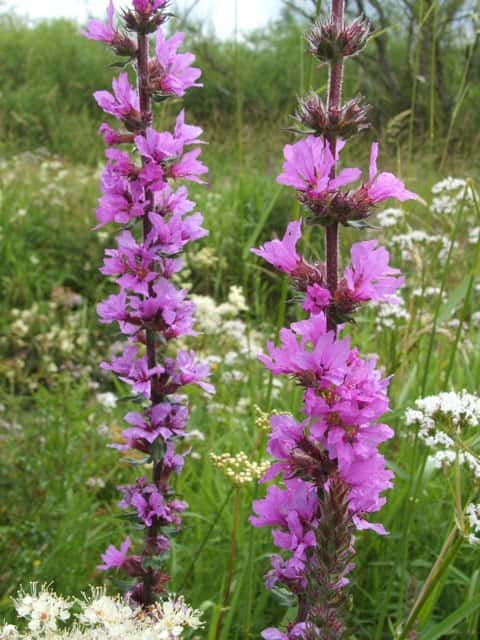
Loosestrife (genus) (Lythrum) is a easy-care plant from the Lythraceae family. Lythrum is a genus of herbaceous perennial plants in the family Lythraceae, found across wetlands, riverbanks, and marshy areas worldwide. The most well-known species, L. salicaria (purple loosestrife), produces dense spikes of rose-purple flowers in summer and is considered invasive in North Americ...
Loosestrife (genus) grows up to 1.5m, spread of 90cm, watering every 4 days, -34°C – 35°C, 50–80% humidity. It is not suitable for indoor environments and safe for pets.
Unlike many tropical plants, Loosestrife (genus) tolerates watering mistakes. Best for beginners. Unlike many popular species, Loosestrife (genus) is safe to keep around pets.
How to Care for Loosestrife (genus)?
TLDR: Loosestrife (genus) needs Direct sun, watering every 4 days, and temperatures between -34-35°C with 50-80% humidity.
How Often Should You Water Loosestrife (genus)?
Water every 3-5 days keeping soil consistently moist. Tolerates waterlogged roots near pond margins. Avoid prolonged drought as foliage will wilt.
How Much Light Does Loosestrife (genus) Need?
Requires full sun (6+ hours daily) for best flowering. Tolerates partial shade but flower production decreases significantly.
What Is the Best Soil for Loosestrife (genus)?
Prefers loamy soil with good moisture retention, pH 5.0-7.0. Thrives in wet, boggy conditions. Suitable for rain gardens and pond margins.
What Pot Should You Use for Loosestrife (genus)?
Wide container or terracotta pot near water features. Best suited to garden beds, pond margins.
Care Schedule
Fertilize
Every 90 days
What Is Loosestrife (genus) and Where Does It Come From?
Lythrum is a genus of herbaceous perennial plants in the family Lythraceae, found across wetlands, riverbanks, and marshy areas worldwide. The most well-known species, L. salicaria (purple loosestrife), produces dense spikes of rose-purple flowers in summer and is considered invasive in North America.
How to Propagate Loosestrife (genus)?
Division
Divide while still dormant to minimize transplant stress.
- 1 Dig up the clump in early spring before new growth begins
- 2 Divide roots into sections each with 2-3 shoots
- 3 Replant immediately in moist soil and water thoroughly
Materials needed:
Seed sowing
Seeds germinate readily. Check local regulations as this plant may be invasive in your area.
- 1 Sow seeds shallowly on moist substrate 7-8 weeks before last frost
- 2 Keep moist in a bright location
- 3 Transplant outdoors after frost risk passes
Materials needed:
How Big Does Loosestrife (genus) Grow?
TLDR: Loosestrife (genus) can reach up to 1.5m tall with Fast growth rate.
Max height
1.5m
Spread
90cm
Growth rate
Fast
Foliage
Deciduous
Plant Uses
Ornamental
Great for decoration
Medicinal
Medicinal properties
Medicinal Uses
- Astringent, antidiarrheal — used in European folk medicine for diarrhea, wounds, and inflammation
Is your plant showing symptoms?
Click on the symptom to discover possible causes:
What Diseases Commonly Affect Loosestrife (genus)?
TLDR: Loosestrife (genus) is susceptible to 4 known diseases. Monitor regularly for early detection.
Root Rot
Root rot is a serious fungal disease that affects the root system of plants, causing them to decay and die. It is primarily caused by overwatering, poor drainage, or soil-borne fungi such as Pythium, Phytophthora, Rhizoctonia, and Fusarium. The disease thrives in waterlogged conditions where roots are deprived of oxygen, making them susceptible to fungal infection.
Rust
Rust is a common fungal disease caused by fungi in the order Pucciniales that affects a wide variety of plants. The disease gets its name from the characteristic orange, yellow, or reddish-brown pustules that appear on leaves, resembling metal rust. This obligate fungal parasite requires living plants to survive and can cause significant economic losses in agricultural crops.
Leaf Spot
Leaf spot is a common fungal disease caused by various pathogens including Alternaria, Ascochyta, Colletotrichum, Septoria, and Venturia. It primarily affects leaves, causing discolored spots that can lead to premature leaf drop if left untreated.
Aphids
Aphids are small, soft-bodied, pear-shaped insects (1/16 to 1/8 inch long) that feed by sucking nutrient-rich sap from plants. They reproduce rapidly and can quickly weaken plants, causing distorted growth and transmitting plant viruses. Aphids come in various colors including green, black, red, yellow, brown, and gray. They secrete honeydew, a sticky substance that attracts ants and encourages sooty mold growth.
Meaning & Symbolism
Symbol of vitality and resilience in challenging wetland environments.
Fun Facts
A single purple loosestrife plant can produce up to 2.7 million seeds per year
It has been used for centuries in European folk medicine as an astringent and antidiarrheal
Its vibrant purple flower spikes attract bees, butterflies, and hummingbirds
Frequently asked questions
How often should I water loosestrife?
Is Lythrum toxic to pets?
Can I grow loosestrife in a waterlogged garden?
Is purple loosestrife invasive?
Compare with similar plants
| Attribute | Difficulty | Light | Watering | Pet Safe |
|---|---|---|---|---|
| Field Maple | Easy | Bright indirect | 14d | ✓ |
| Silver Birch | Easy | Direct sun | 14d | ✓ |
| Cushion Bush | Easy | Direct sun | 14d | ✓ |
| Peruvian peppertree | Easy | Direct sun | 14d | ⚠️ |





