Lamiaceae
Wild Thyme: Ground Cover Plant
Thymus serpyllum
Plant in full sun in well-draining, sandy soil. Water sparingly — established plants can manage with watering every 2 weeks or less frequently. Avoid heavy, moist soil. Lightly trim after flowering to maintain compact growth. Rarely needs fertilizer.
Every 14 days
Direct sun
-15° - 30°C
25% - 50%
Categories
What is Wild Thyme?
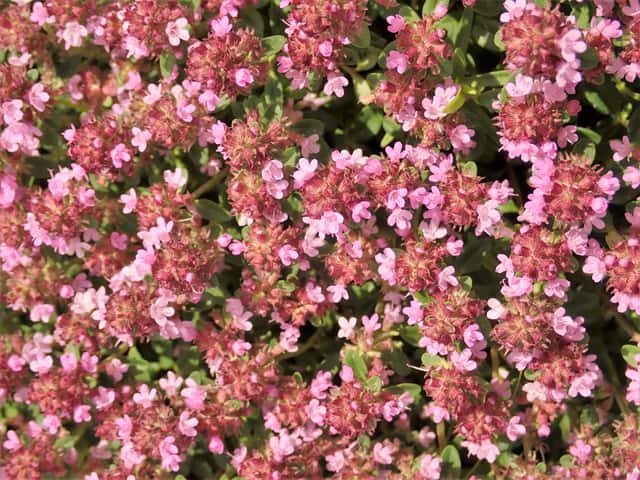
Wild Thyme (Thymus serpyllum) is a easy-care plant from the Lamiaceae family. Wild Thyme (Thymus serpyllum) is a low-growing, creeping perennial herb from the Lamiaceae family, native to Europe and Western Asia. The plant forms dense, aromatic mats of small, dark glossy leaves and is covered in tiny purple-pink flowers in summer. It thrives in full sun, lean, well-draining so...
Wild Thyme grows up to 8cm, spread of 45cm, watering every 14 days, -15°C – 30°C, 25–50% humidity. It is not suitable for indoor environments and safe for pets.
Unlike many tropical plants, Wild Thyme tolerates watering mistakes. Best for beginners. Unlike many popular species, Wild Thyme is safe to keep around pets.
How to Care for Wild Thyme?
TLDR: Wild Thyme needs Direct sun, watering every 14 days, and temperatures between -15-30°C with 25-50% humidity.
How Often Should You Water Wild Thyme?
Allow the soil to dry out completely between waterings. Water approximately every 14 days in summer, less frequently in winter. Overwatering is the most common cause of plant death — Wild Thyme prefers drought over moisture.
How Much Light Does Wild Thyme Need?
Requires at least 6–8 hours of direct sun per day. Full sun promotes the densest growth and strongest aroma. In partial shade, flowering is significantly reduced, and the plant becomes thin and leggy.
What Is the Best Soil for Wild Thyme?
Use light, sandy or gravelly, well-draining soil with a pH of 6.5–7.5. Avoid heavy clay soil. Lean soil is preferred over nutrient-rich — too much nutrient results in low aromatic intensity. Add gravel or perlite if needed.
What Pot Should You Use for Wild Thyme?
Suitable for shallow terracotta pots, rockeries, or cracks in paving. Use a well-draining substrate (70% sand/gravel, 30% potting soil). Avoid deep pots with standing water.
Care Schedule
Fertilize
Every 365 days
What Is Wild Thyme and Where Does It Come From?
Wild Thyme (Thymus serpyllum) is a low-growing, creeping perennial herb from the Lamiaceae family, native to Europe and Western Asia. The plant forms dense, aromatic mats of small, dark glossy leaves and is covered in tiny purple-pink flowers in summer. It thrives in full sun, lean, well-draining soils, and is extremely drought-tolerant and hardy down to -15°C. Thymus serpyllum has a long history as a medicinal and culinary herb and is closely associated with symbols of courage and love.
How to Propagate Wild Thyme?
How Big Does Wild Thyme Grow?
TLDR: Wild Thyme can reach up to 8cm tall with Slow growth rate.
Max height
8cm
Spread
45cm
Growth rate
Slow
Foliage
Evergreen
Plant Uses
Ornamental
Great for decoration
Edible
Can be consumed
Medicinal
Medicinal properties
Aromatic
Pleasant fragrance
Ground Cover
Soil coverage
Medicinal Uses
- Traditionally used for coughs, bronchitis, and upper respiratory infections
- Antiseptic and antimicrobial properties from essential oil (thymol)
- Used as a mucolytic and antispasmodic for digestive problems
- Carminative against bloating and colic
- External use: antiseptic baths and poultices for skin infections
- ESCOP monograph (2014) approves its use for catarrh of the upper respiratory tract
Culinary Uses
- Leaves can be eaten raw in salads or used as a spice in cooking
- Milder flavor than common garden thyme (Thymus vulgaris)
- Essential oil is used in the food industry as a flavor enhancer and preservative
- Dried leaves can be brewed as an aromatic tea
- Mix with other herbs for spice blends; flowers are also edible
Is your plant showing symptoms?
Click on the symptom to discover possible causes:
What Diseases Commonly Affect Wild Thyme?
TLDR: Wild Thyme is susceptible to 9 known diseases. Monitor regularly for early detection.
Root Rot
Root rot is a serious fungal disease that affects the root system of plants, causing them to decay and die. It is primarily caused by overwatering, poor drainage, or soil-borne fungi such as Pythium, Phytophthora, Rhizoctonia, and Fusarium. The disease thrives in waterlogged conditions where roots are deprived of oxygen, making them susceptible to fungal infection.
Powdery Mildew
Powdery mildew is a common fungal disease caused by various fungi species including Erysiphe, Podosphaera, Oïdium, and Leveillula. It affects over 10,000 plant species worldwide. The disease thrives in warm, dry climates with high humidity and appears as a distinctive white powdery coating on plant surfaces.
Gray Mold (Botrytis Blight)
Gray mold, caused by the fungus Botrytis cinerea, is a widespread necrotrophic pathogen affecting over 1,400 plant species. It thrives in cool, humid conditions and attacks weakened or aging plant tissues, causing soft rot and characteristic gray fuzzy growth.
Spider Mites
Spider mites are tiny arachnids (less than 1/20 inch long) related to spiders and ticks that feed on plant sap. They thrive in hot, dry conditions and can cause significant damage to ornamental and vegetable plants. During severe infestations, crop losses can reach 14% or higher as these pests disrupt vital plant processes including photosynthesis, carbon dioxide absorption, and transpiration.
Meaning & Symbolism
Wild Thyme symbolizes courage, bravery, and love. In the Middle Ages, knights' lovers embroidered sprigs of thyme onto cloaks and armor as a sign of protection and courage. In ancient Greece, people bathed in thyme to gain strength, and the Greeks believed the plant bestowed courage and motivation.
Compare with similar plants
| Attribute | Difficulty | Light | Watering | Pet Safe |
|---|---|---|---|---|
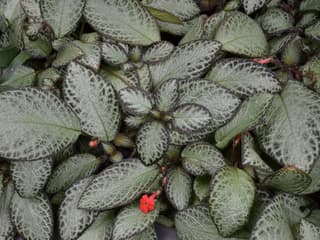
| Flame Violet | Easy | Partial shade | 7d | ✓ |
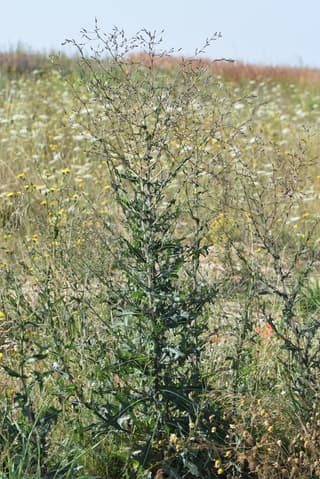
| Prickly Lettuce | Easy | Direct sun | 7d | ✓ |
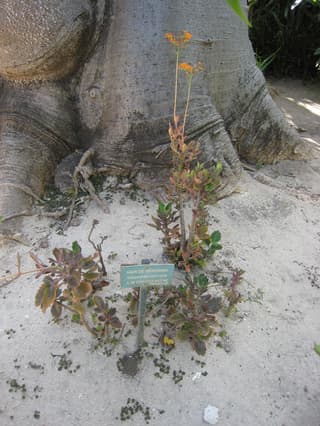
| Christmas Tree Plant | Easy | Bright indirect | 10d | ⚠️ |
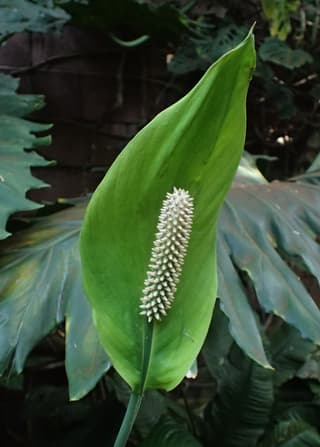
| Peace Lily | Easy | Low light | 7d | ⚠️ |
Choose & Compare
Sources & References
- Creeping Thyme (Thymus serpyllum) - Gardenia.net
- Thymus serpyllum Wild Thyme - PFAF Plant Database
- Creeping Thyme - The Old Farmers Almanac
- Wild thyme (Thymus serpyllum L.): a review of nutritional and preventive health benefits - PMC
- Thymus serpyllum - NC State Extension
- Common Thyme Diseases - Agrownet