Portulacaceae
Jewels of Opar (Talinum paniculatum): Complete Grow & Care Guide
Talinum paniculatum
Very easy to grow, drought-tolerant, and fast-growing. Needs full sun, weekly watering during active growth, and well-draining soil. Nearly pest-free. Leaves can be harvested from 60 days after planting. Self-seeds freely in warm climates.
Every 7 days
Bright indirect
15° - 38°C
40% - 80%
Categories
What is Jewels of Opar?
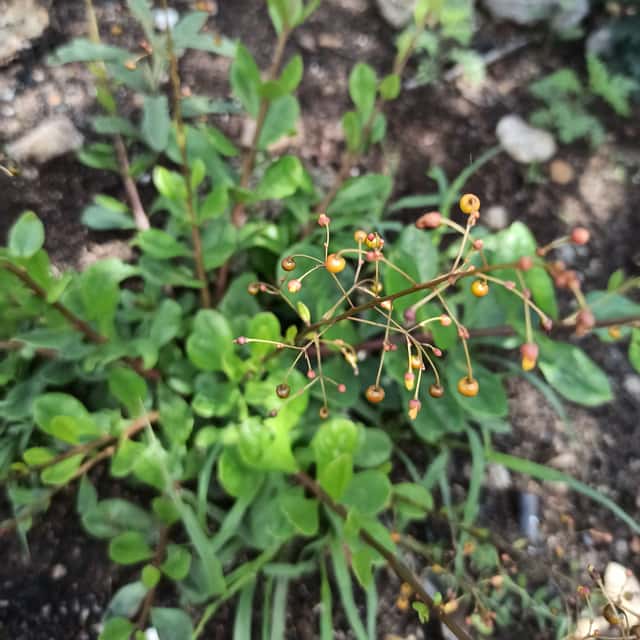
Jewels of Opar (Talinum paniculatum) is a easy-care plant from the Portulacaceae family. Jewels of Opar (Talinum paniculatum) is a succulent perennial herb native to tropical Americas, including Brazil. It produces delicate pink flowers on airy panicles that resemble a miniature baby's breath, making it a charming ornamental plant. The fleshy, nutrient-rich leaves are edible and recogni...
Jewels of Opar grows up to 1.0m, spread of 60cm, watering every 7 days, 15°C – 38°C, 40–80% humidity. It is suitable for indoor environments and safe for pets.
Unlike many tropical plants, Jewels of Opar tolerates watering mistakes. Best for beginners. Unlike many popular species, Jewels of Opar is safe to keep around pets. Without adequate drainage, root rot can develop within 14 days.
How to Care for Jewels of Opar?
TLDR: Jewels of Opar needs Bright indirect, watering every 7 days, and temperatures between 15-38°C with 40-80% humidity.
How Often Should You Water Jewels of Opar?
Water once a week during the growing season. In winter, allow the soil to dry out completely between waterings. Avoid waterlogged conditions to prevent root rot — this succulent stores water in its fleshy stems and roots.
How Much Light Does Jewels of Opar Need?
Prefers full sun with at least 6 hours of direct sunlight daily. Tolerates partial shade but will produce fewer flowers and slower growth. Not suitable for low-light indoor environments without supplemental lighting.
What Is the Best Soil for Jewels of Opar?
Use well-draining potting mix with added coarse sand or perlite (2:1 ratio). Tolerates poor soils but benefits from organic matter. Ideal pH range 6.0–7.5. Avoid heavy clay soils that retain excess moisture.
What Pot Should You Use for Jewels of Opar?
Terracotta or clay pots are ideal as they allow excellent drainage and root aeration. Ensure pots have drainage holes. In gardens, plant directly in well-draining soil. Raised beds work very well for edible harvests.
Care Schedule
Fertilize
Every 30 days
Repot
Every 365 days
What Is Jewels of Opar and Where Does It Come From?
Jewels of Opar (Talinum paniculatum) is a succulent perennial herb native to tropical Americas, including Brazil. It produces delicate pink flowers on airy panicles that resemble a miniature baby's breath, making it a charming ornamental plant. The fleshy, nutrient-rich leaves are edible and recognized as an unconventional food plant (PANC in Brazil), rich in protein, iron, potassium, and magnesium. Extremely drought-tolerant, it thrives in full sun with minimal care and self-seeds readily.
How to Propagate Jewels of Opar?
Seed sowing
Seeds germinate easily without special treatment. Self-seeds freely in warm climates — deadhead flowers to control spreading.
- 1 Prepare well-draining, moist substrate
- 2 Sow seeds 0.5 cm deep with 20x20 cm spacing
- 3 Keep soil moist until germination (7-10 days)
- 4 Transplant seedlings after 4-5 weeks
- 5 Begin leaf harvest at 60 days
Materials needed:
Stem cutting
Use semi-woody stems for best results. Keep substrate slightly moist — not wet — during rooting.
- 1 Cut a healthy stem 10-15 cm long
- 2 Remove lower leaves, leaving 2-3 at the top
- 3 Insert cutting into moist sandy substrate
- 4 Place in partial shade until rooted
- 5 Transplant after 2-3 weeks
Materials needed:
How Big Does Jewels of Opar Grow?
TLDR: Jewels of Opar can reach up to 1.0m tall with Fast growth rate.
Max height
1.0m
Spread
60cm
Growth rate
Fast
Foliage
Evergreen
Plant Uses
Ornamental
Great for decoration
Edible
Can be consumed
Medicinal
Medicinal properties
Medicinal Uses
- Roots used in folk medicine as a tonic and for treating neurasthenia, cough, stomach pain, and diarrhea
- Leaves applied topically for inflammation in some traditional medicine practices
Culinary Uses
- Young leaves eaten raw in salads
- Mature leaves sautéed with garlic and olive oil
- Used as a spinach substitute in cooked dishes
- Added to omelettes and egg dishes
- Blanched leaves in soups and stews
Is your plant showing symptoms?
Click on the symptom to discover possible causes:
What Diseases Commonly Affect Jewels of Opar?
TLDR: Jewels of Opar is susceptible to 4 known diseases. Monitor regularly for early detection.
Aphids
Aphids are small, soft-bodied, pear-shaped insects (1/16 to 1/8 inch long) that feed by sucking nutrient-rich sap from plants. They reproduce rapidly and can quickly weaken plants, causing distorted growth and transmitting plant viruses. Aphids come in various colors including green, black, red, yellow, brown, and gray. They secrete honeydew, a sticky substance that attracts ants and encourages sooty mold growth.
Spider Mites
Spider mites are tiny arachnids (less than 1/20 inch long) related to spiders and ticks that feed on plant sap. They thrive in hot, dry conditions and can cause significant damage to ornamental and vegetable plants. During severe infestations, crop losses can reach 14% or higher as these pests disrupt vital plant processes including photosynthesis, carbon dioxide absorption, and transpiration.
Root Rot
Root rot is a serious fungal disease that affects the root system of plants, causing them to decay and die. It is primarily caused by overwatering, poor drainage, or soil-borne fungi such as Pythium, Phytophthora, Rhizoctonia, and Fusarium. The disease thrives in waterlogged conditions where roots are deprived of oxygen, making them susceptible to fungal infection.
Leaf Spot
Leaf spot is a common fungal disease caused by various pathogens including Alternaria, Ascochyta, Colletotrichum, Septoria, and Venturia. It primarily affects leaves, causing discolored spots that can lead to premature leaf drop if left untreated.
Meaning & Symbolism
Symbolizes resilience, abundance, and nourishment. In Brazil, it represents the richness of traditional food knowledge and the value of unconventional edible plants that sustained communities during times of scarcity.
Fun Facts
The tiny flowers of Jewels of Opar last only a single afternoon but are produced in such abundance that the plant stays decorative for months
In Brazil, it was used as survival food during the 1963 drought in northern Minas Gerais state
Seeds germinate in just 7 days, making it one of the fastest-establishing edible herbs
The plant enters dormancy during dry seasons and rebounds vigorously with the first rains — a true survivor
Frequently asked questions
How often should I water Jewels of Opar?
Are Jewels of Opar leaves edible?
How much sun does Jewels of Opar need?
How do I propagate Jewels of Opar?
Is Jewels of Opar toxic to pets?
Compare with similar plants
| Attribute | Difficulty | Light | Watering | Pet Safe |
|---|---|---|---|---|
| Field Maple | Easy | Bright indirect | 14d | ✓ |
| Silver Birch | Easy | Direct sun | 14d | ✓ |
| Cushion Bush | Easy | Direct sun | 14d | ✓ |
| Peruvian peppertree | Easy | Direct sun | 14d | ⚠️ |