Malvaceae
Common mallow: Ground Cover Plant
Malva neglecta
Very easy to grow and hardy. Prefers sunny to partially shaded locations and well-drained, humus-rich soil with a neutral to slightly alkaline pH. Water moderately—it tolerates short periods of drought thanks to its taproot. Thrives outdoors in USDA zones 4–8. Requires minimal maintenance and self-seeds easily via seed.
Every 7 days
Bright indirect
-10° - 35°C
30% - 60%
Categories
What is Common mallow?
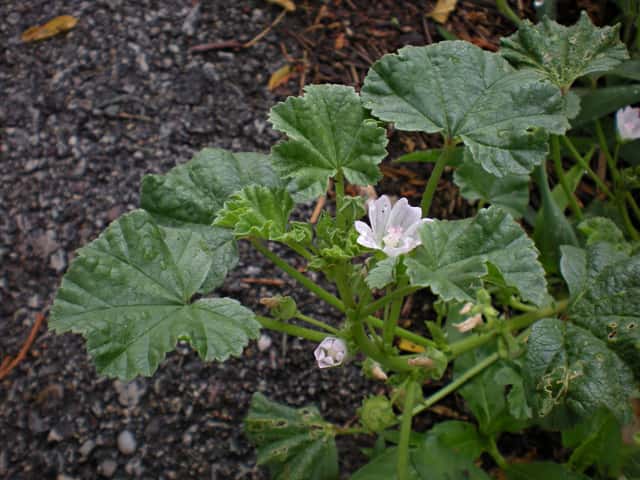
Common mallow (Malva neglecta) is a easy-care plant from the Malvaceae family. Common mallow (Malva neglecta) is a low-growing, creeping annual herb in the Malvaceae family. It features kidney-shaped to round, shallowly lobed leaves with long petioles and bears abundant pale pink to white flowers with violet veins from June to September. Originally from Europe and Western Asia...
Common mallow grows up to 60cm, spread of 60cm, watering every 7 days, -10°C – 35°C, 30–60% humidity. It is not suitable for indoor environments and safe for pets.
Unlike many tropical plants, Common mallow tolerates watering mistakes. Best for beginners. Unlike many popular species, Common mallow is safe to keep around pets.
How to Care for Common mallow?
TLDR: Common mallow needs Bright indirect, watering every 7 days, and temperatures between -10-35°C with 30-60% humidity.
How Often Should You Water Common mallow?
Water when the top 2–3 cm of soil has dried out, approximately every 7 days during the growing season. The plant is drought-tolerant due to its strong taproot but performs best with consistent moisture during flowering. Significantly reduce watering during winter dormancy. Avoid standing water, which can cause root rot.
How Much Light Does Common mallow Need?
Place in full sun (6–8 hours of direct light per day) for best flowering and growth. Tolerates partial shade but will flower less profusely. Not suitable as an indoor plant as it requires outdoor conditions and open ground.
What Is the Best Soil for Common mallow?
Prefers loose, loamy, and well-drained soil enriched with compost. Tolerates most soil types—sand, clay, and silt—but thrives less in dense, waterlogged soil. Optimal pH: 6.0–8.0. Consider improving with well-rotted manure before sowing.
Care Schedule
Fertilize
Every 21 days
What Is Common mallow and Where Does It Come From?
Common mallow (Malva neglecta) is a low-growing, creeping annual herb in the Malvaceae family. It features kidney-shaped to round, shallowly lobed leaves with long petioles and bears abundant pale pink to white flowers with violet veins from June to September. Originally from Europe and Western Asia, the species is now widely distributed as a synanthrope on ruderal land, field margins, and in gardens. The entire plant—leaves, flowers, fruits, and seeds—is edible and rich in mucilage, vitamins, and minerals.
How to Propagate Common mallow?
How Big Does Common mallow Grow?
TLDR: Common mallow can reach up to 60cm tall with Fast growth rate.
Max height
60cm
Spread
60cm
Growth rate
Fast
Foliage
Deciduous
Plant Uses
Edible
Can be consumed
Medicinal
Medicinal properties
Ornamental
Great for decoration
Ground Cover
Soil coverage
Medicinal Uses
- Mucilage-rich protection for sore throats, coughs, and bronchitis (expectorant)
- Relieves inflammation in the urinary tract and digestive system
- Topical use for insect bites, bruises, and wounds—leaves are applied directly
- Traditional tea made from leaves and flowers for constipation and hemorrhoids
- Scientific studies indicate potential for treating stomach ulcers and endometriosis
Culinary Uses
- Young leaves are eaten raw in salads or cooked like spinach
- Flowers are used as a garnish in salads and desserts
- Seeds (15–21% protein) are roasted and eaten as nuts or ground into flour
- The mucilage from the leaves is used to thicken soups and stews, similar to okra
- Young shoots can be pickled or prepared as a vegetable
Is your plant showing symptoms?
Click on the symptom to discover possible causes:
What Diseases Commonly Affect Common mallow?
TLDR: Common mallow is susceptible to 6 known diseases. Monitor regularly for early detection.
Rust
Rust is a common fungal disease caused by fungi in the order Pucciniales that affects a wide variety of plants. The disease gets its name from the characteristic orange, yellow, or reddish-brown pustules that appear on leaves, resembling metal rust. This obligate fungal parasite requires living plants to survive and can cause significant economic losses in agricultural crops.
Aphids
Aphids are small, soft-bodied, pear-shaped insects (1/16 to 1/8 inch long) that feed by sucking nutrient-rich sap from plants. They reproduce rapidly and can quickly weaken plants, causing distorted growth and transmitting plant viruses. Aphids come in various colors including green, black, red, yellow, brown, and gray. They secrete honeydew, a sticky substance that attracts ants and encourages sooty mold growth.
Spider Mites
Spider mites are tiny arachnids (less than 1/20 inch long) related to spiders and ticks that feed on plant sap. They thrive in hot, dry conditions and can cause significant damage to ornamental and vegetable plants. During severe infestations, crop losses can reach 14% or higher as these pests disrupt vital plant processes including photosynthesis, carbon dioxide absorption, and transpiration.
Whiteflies
Whiteflies are small, soft-bodied, winged insects closely related to aphids and mealybugs. They are moth-like in appearance, about 1/16 inch long, triangular in shape, and gray-white in color. These sap-sucking pests feed on plant tissue, causing yellowing, stunted growth, and wilting. They also excrete honeydew, which attracts ants and promotes sooty mold growth. Whiteflies can transmit serious plant viruses.
Meaning & Symbolism
In European folk medicine, mallow symbolizes humility, gentleness, and healing care. For centuries, the plant has been used as 'poor man's medicine' and represents accessibility and generosity in nature's pharmacy.
Compare with similar plants
| Attribute | Difficulty | Light | Watering | Pet Safe |
|---|---|---|---|---|
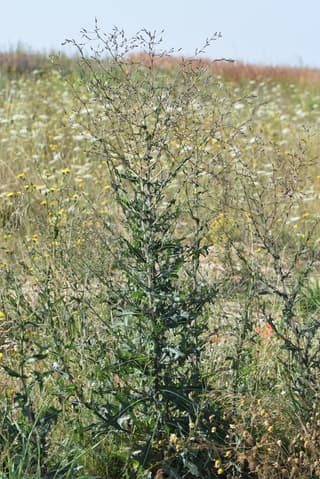
| Field Maple | Easy | Bright indirect | 14d | ✓ |
| Cushion Bush | Easy | Direct sun | 14d | ✓ |
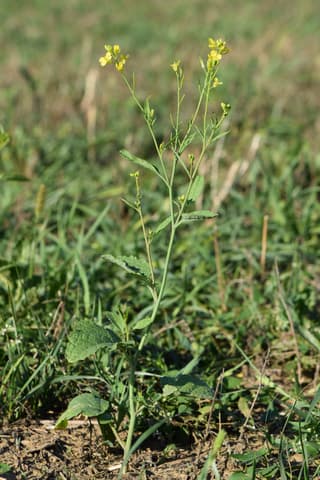
| Chilean Cacti | Easy | Direct sun | 14d | ✓ |
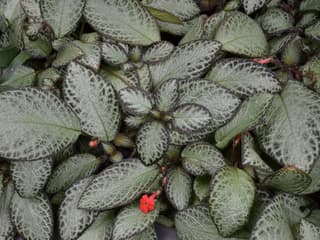
| Flame Violet | Easy | Partial shade | 7d | ✓ |