Malvaceae
Rose Mallow (Lavatera trimestris)
Lavatera trimestris
Easy-to-grow annual ideal for sunny gardens and borders. Requires moderate watering, well-drained soil, and full sun exposure. Highly resistant to pests and diseases, making it an excellent choice for beginner gardeners.
Every 7 days
Direct sun
5° - 35°C
40% - 60%
Categories
What is Rose Mallow?
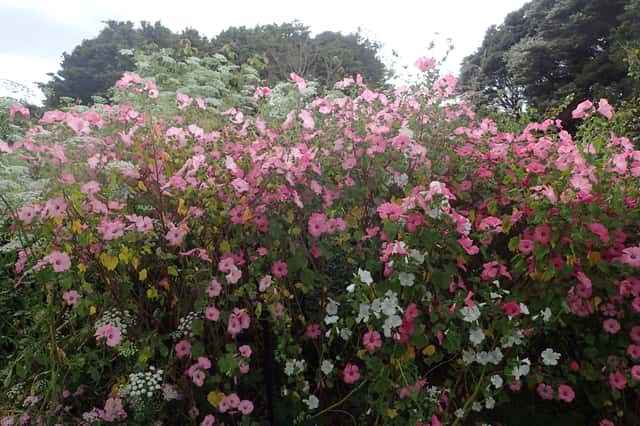
Rose Mallow (Lavatera trimestris) is a easy-care plant from the Malvaceae family. Lavatera trimestris, commonly known as Rose Mallow or Annual Mallow, is a fast-growing annual plant native to the Mediterranean region. It produces an abundance of large, saucer-shaped flowers in shades of white, pink, and deep rose throughout summer and fall. Growing up to 3-4 feet tall, it is a st...
Rose Mallow grows up to 1.0m, with spread of 75cm, watering every 7 days, 5°C – 35°C, 40–60% humidity. It is not suitable for indoor environments and safe for pets.
Unlike many tropical plants, Rose Mallow tolerates watering mistakes. Best for beginners. Unlike many popular species, Rose Mallow is safe to keep around pets.
How to Care for Rose Mallow?
TLDR: Rose Mallow needs Direct sun, watering every 7 days, and temperatures between 5-35°C with 40-60% humidity.
How Often Should You Water Rose Mallow?
Water deeply 2-3 times per week during summer heat. Avoid waterlogging and always water at the base of the plant to prevent fungal issues. The plant is drought tolerant but may drop buds if the soil becomes bone dry.
How Much Light Does Rose Mallow Need?
Rose Mallow thrives in full sun — choose a location with at least 6 hours of direct sunlight daily. In very hot climates, it can tolerate some light afternoon shade without sacrificing too many blooms.
What Is the Best Soil for Rose Mallow?
Prefers light, sandy, well-drained soils. Overly rich soil reduces flowering. Poor to average soil is actually ideal. Avoid waterlogged conditions to prevent root rot.
What Pot Should You Use for Rose Mallow?
Garden bed in full sun; not suitable for containers due to deep root system
Care Schedule
Fertilize
Every 30 days
What Is Rose Mallow and Where Does It Come From?
Lavatera trimestris, commonly known as Rose Mallow or Annual Mallow, is a fast-growing annual plant native to the Mediterranean region. It produces an abundance of large, saucer-shaped flowers in shades of white, pink, and deep rose throughout summer and fall. Growing up to 3-4 feet tall, it is a stunning addition to cottage gardens and borders.
How to Propagate Rose Mallow?
Direct Seeding
Avoid transplanting as the plant has deep roots that dislike disturbance. In mild climates, sow in autumn for spring blooms.
- 1 Choose a sunny location with well-drained soil
- 2 Sow seeds directly in the ground after the last frost
- 3 Cover seeds lightly with 0.5 cm of soil
- 4 Keep soil moist until germination
- 5 Thin seedlings to 30 cm apart when they reach 5 cm tall
Materials needed:
How Big Does Rose Mallow Grow?
TLDR: Rose Mallow can reach up to 1.0m tall with Fast growth rate.
Max height
1.0m
Spread
75cm
Growth rate
Fast
Foliage
Deciduous
Plant Uses
Ornamental
Great for decoration
Culinary Uses
- Young leaves edible when cooked
- Seeds contain edible oil
Is your plant showing symptoms?
Click on the symptom to discover possible causes:
What Diseases Commonly Affect Rose Mallow?
TLDR: Rose Mallow is susceptible to 9 known diseases. Monitor regularly for early detection.
Powdery Mildew
Powdery mildew is a common fungal disease caused by various fungi species including Erysiphe, Podosphaera, Oïdium, and Leveillula. It affects over 10,000 plant species worldwide. The disease thrives in warm, dry climates with high humidity and appears as a distinctive white powdery coating on plant surfaces.
Rust
Rust is a common fungal disease caused by fungi in the order Pucciniales that affects a wide variety of plants. The disease gets its name from the characteristic orange, yellow, or reddish-brown pustules that appear on leaves, resembling metal rust. This obligate fungal parasite requires living plants to survive and can cause significant economic losses in agricultural crops.
Root Rot
Root rot is a serious fungal disease that affects the root system of plants, causing them to decay and die. It is primarily caused by overwatering, poor drainage, or soil-borne fungi such as Pythium, Phytophthora, Rhizoctonia, and Fusarium. The disease thrives in waterlogged conditions where roots are deprived of oxygen, making them susceptible to fungal infection.
Aphids
Aphids are small, soft-bodied, pear-shaped insects (1/16 to 1/8 inch long) that feed by sucking nutrient-rich sap from plants. They reproduce rapidly and can quickly weaken plants, causing distorted growth and transmitting plant viruses. Aphids come in various colors including green, black, red, yellow, brown, and gray. They secrete honeydew, a sticky substance that attracts ants and encourages sooty mold growth.
Meaning & Symbolism
Associated with grace, delicacy, and the beauty of Mediterranean landscapes. Symbolizes femininity and the ephemeral nature of beauty.
Fun Facts
Native to the Mediterranean, it grows wild along coastlines from Spain to Turkey
The name trimestris means 'three months' referring to how quickly it completes its life cycle
Flowers can reach 3 inches wide and make excellent cut flowers
A single plant can produce dozens of blooms throughout the flowering season
Frequently asked questions
How often should I water Rose Mallow?
Is Lavatera trimestris toxic to pets?
When does Rose Mallow bloom?
Can I grow Rose Mallow in a pot?
How do I propagate Rose Mallow?
Compare with similar plants
| Attribute | Difficulty | Light | Watering | Pet Safe |
|---|---|---|---|---|
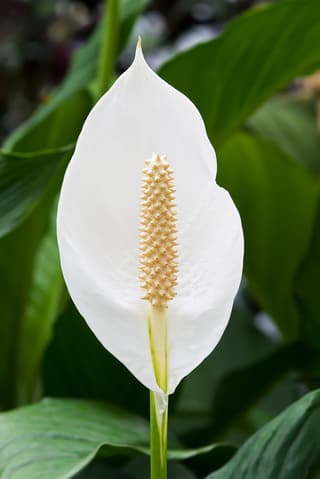
| Peace Lily | Easy | Low light | 4d | ⚠️ |
| Swiss Cheese Plant | Easy | Partial shade | 10d | ⚠️ |
| Golden Pothos | Easy | Low light | 8d | ⚠️ |
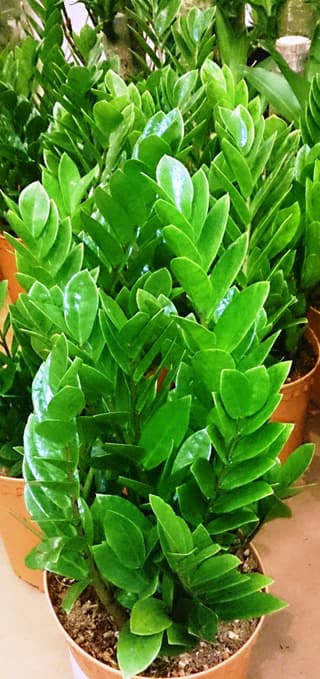
| ZZ Plant | Easy | Low light | 18d | ⚠️ |