Malvaceae
Turk's Cap: Edible Plant
Malvaviscus arboreus
An extremely hardy and low-maintenance plant. It prefers full sun and soil rich in organic matter to bloom throughout most of the year.
Every 4 days
Bright indirect
15° - 35°C
50% - 85%
Categories
What is Turk's Cap?
Turk's Cap (Malvaviscus arboreus) is a easy-care plant from the Malvaceae family. Malvaviscus arboreus, commonly known as Turk's Cap or Sleeping Hibiscus, is a vigorous perennial shrub native to Mexico and Central America. Its vibrant red flowers feature petals that remain furled, resembling a bud that never fully opens. This unique characteristic makes the nectar primarily acces...
Turk's Cap grows up to 3.0m, with spread of 200cm, watering every 4 days, 15°C – 35°C, 50–85% humidity. It is suitable for indoor environments and safe for pets.
Unlike many tropical plants, Turk's Cap tolerates watering mistakes. Best for beginners. Unlike many popular species, Turk's Cap is safe to keep around pets. Without adequate drainage, root rot can develop within 8 days.
How to Care for Turk's Cap?
TLDR: Turk's Cap needs Bright indirect, watering every 4 days, and temperatures between 15-35°C with 50-85% humidity.
How Often Should You Water Turk's Cap?
Water whenever the top layer of soil feels dry to the touch. Avoid waterlogging the roots.
How Much Light Does Turk's Cap Need?
For abundant flowering, place the plant where it receives at least 6 hours of direct sunlight per day.
What Is the Best Soil for Turk's Cap?
Use a mixture of potting soil with organic compost and one part sand to ensure good drainage.
What Pot Should You Use for Turk's Cap?
Large ceramic pots with drainage holes or direct planting in the ground.
Care Schedule
Fertilize
Every 30 days
Misting
Every 7 days
Rotate
Every 14 days
Repot
Every 730 days
What Is Turk's Cap and Where Does It Come From?
Malvaviscus arboreus, commonly known as Turk's Cap or Sleeping Hibiscus, is a vigorous perennial shrub native to Mexico and Central America. Its vibrant red flowers feature petals that remain furled, resembling a bud that never fully opens. This unique characteristic makes the nectar primarily accessible to hummingbirds, making it essential for gardens aiming to attract wildlife.
How to Propagate Turk's Cap?
Stem Cuttings
- Maintain high humidity by covering the pot with clear plastic for the first few days.
- The use of rooting hormone can speed up the process, but it is not mandatory.
- 1 Cutting the Stem
Cut a healthy semi-woody stem approximately 6 inches (15 cm) long.
- 2 Preparation
Remove the leaves from the bottom half of the cutting to prevent rot.
- 3 Planting
Insert the cutting into a light substrate and keep it constantly moist in a bright spot, but away from direct sunlight.
Materials needed:
How Big Does Turk's Cap Grow?
TLDR: Turk's Cap can reach up to 3.0m tall with Fast growth rate.
Max height
3.0m
Spread
2.0m
Growth rate
Fast
Foliage
Evergreen
Plant Uses
Ornamental
Great for decoration
Edible
Can be consumed
Medicinal
Medicinal properties
Medicinal Uses
- Relief of coughs and bronchitis
- Emollient properties
- Digestive aid
Culinary Uses
- Edible flowers in salads
- Artisanal jams
- Infusions and teas
Is your plant showing symptoms?
Click on the symptom to discover possible causes:
Meaning & Symbolism
Symbolizes hospitality, sweetness, and energetic protection of the environment.
Compare with similar plants
| Attribute | Difficulty | Light | Watering | Pet Safe |
|---|---|---|---|---|
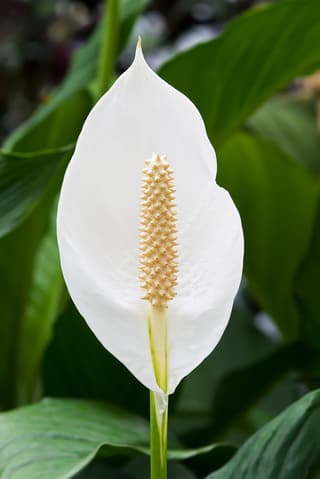
| Peace Lily | Easy | Low light | 4d | ⚠️ |
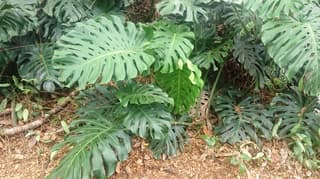
| Swiss Cheese Plant | Easy | Partial shade | 10d | ⚠️ |
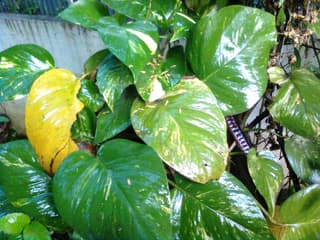
| Golden Pothos | Easy | Low light | 8d | ⚠️ |
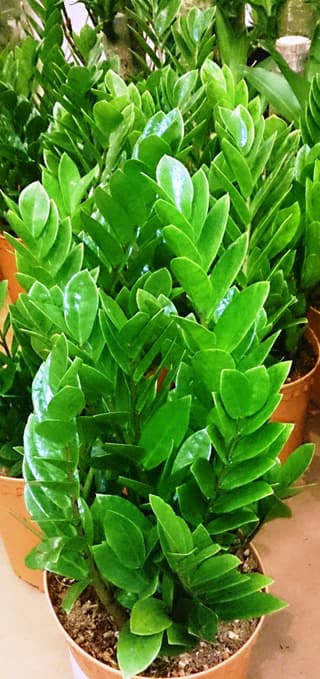
| ZZ Plant | Easy | Low light | 18d | ⚠️ |