Cactaceae
Mandacaru Cactus: Edible Plant
Cereus jamacaru
A very low-maintenance plant that requires full sun and soil with excellent drainage. Ideal for xeriscaping or locations with high solar incidence.
Every 14 days
Direct sun
5° - 45°C
10% - 30%
Categories
What is Mandacaru Cactus?
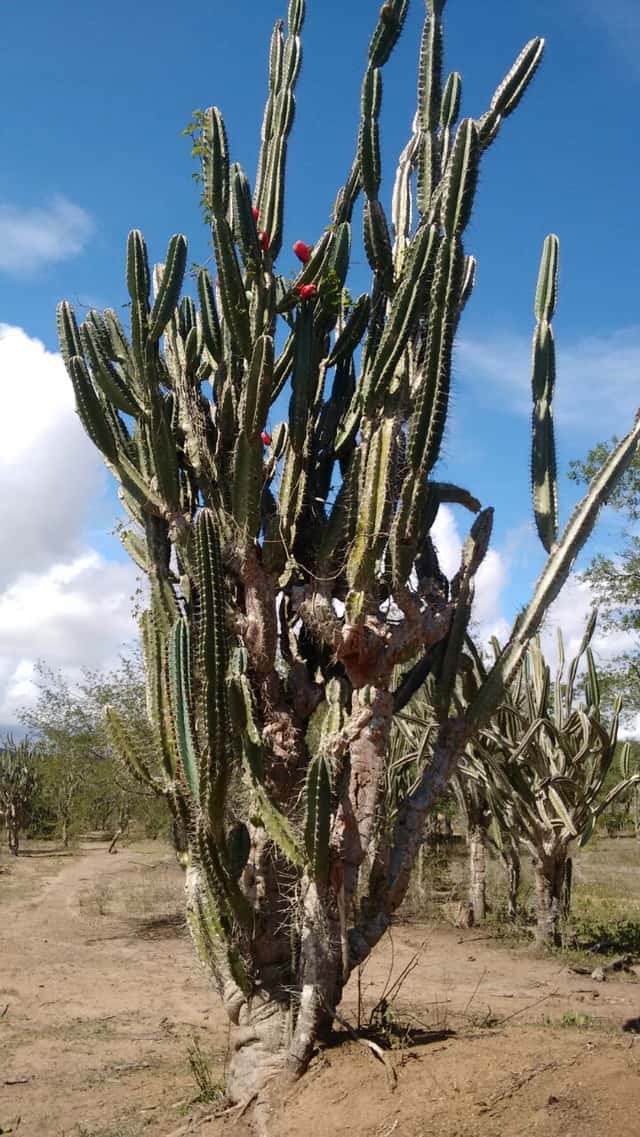
Mandacaru Cactus (Cereus jamacaru) is a easy-care plant from the Cactaceae family. Cereus jamacaru, popularly known as Mandacaru, is an iconic columnar cactus native to the Brazilian semi-arid region. It is characterized by its imposing stature, thorny branches, and magnificent white flowers that bloom only at night and wither by dawn. A symbol of the Caatinga's resilience and vit...
Mandacaru Cactus grows up to 10.0m, with spread of 300cm, watering every 14 days, 5°C – 45°C, 10–30% humidity. It is suitable for indoor environments and safe for pets.
Unlike many tropical plants, Mandacaru Cactus tolerates watering mistakes. Best for beginners. Unlike many popular species, Mandacaru Cactus is safe to keep around pets. Without adequate drainage, root rot can develop within 28 days.
How to Care for Mandacaru Cactus?
TLDR: Mandacaru Cactus needs Direct sun, watering every 14 days, and temperatures between 5-45°C with 10-30% humidity.
How Often Should You Water Mandacaru Cactus?
Water only when the soil is completely dry. In winter, watering can be suspended or reduced to once a month.
How Much Light Does Mandacaru Cactus Need?
Requires direct sun for at least 6 hours daily. If grown indoors, it should be placed near south-facing windows or on sunny balconies.
What Is the Best Soil for Mandacaru Cactus?
Use a mixture of coarse sand, potting soil, and pebbles to ensure water passes quickly through the roots.
What Pot Should You Use for Mandacaru Cactus?
Clay or ceramic pots with generous drainage holes to prevent root rot.
Care Schedule
Fertilize
Every 60 days
Rotate
Every 30 days
Repot
Every 730 days
What Is Mandacaru Cactus and Where Does It Come From?
Cereus jamacaru, popularly known as Mandacaru, is an iconic columnar cactus native to the Brazilian semi-arid region. It is characterized by its imposing stature, thorny branches, and magnificent white flowers that bloom only at night and wither by dawn. A symbol of the Caatinga's resilience and vitality, it is capable of storing large amounts of water in its succulent stem.
How to Propagate Mandacaru Cactus?
Stem cutting
- Do not bury too deeply to avoid rot
- Use thick gloves for handling due to the thorns
- 1 Cutting the segment
Cut a healthy piece of the stem using a sterilized knife.
- 2 Callousing
Let the cut dry in the shade for 7 to 10 days until a callus forms at the base.
- 3 Planting
Insert the dry base into a sandy substrate and do not water for the first week.
Materials needed:
Sowing
- Keep the temperature constant and warm
- Avoid waterlogging the substrate
- 1 Seed collection
Extract the black seeds from ripe fruits and wash them thoroughly.
- 2 Sowing
Distribute the seeds over a fine, moist substrate without covering them completely.
- 3 Humidity
Keep the container covered with plastic wrap in a bright spot until germination.
Materials needed:
How Big Does Mandacaru Cactus Grow?
TLDR: Mandacaru Cactus can reach up to 10.0m tall with Fast growth rate.
Max height
10.0m
Spread
3.0m
Growth rate
Fast
Foliage
Evergreen
Plant Uses
Ornamental
Great for decoration
Edible
Can be consumed
Medicinal
Medicinal properties
Medicinal Uses
- Use of the pulp for treating kidney conditions
- Aid in the treatment of respiratory problems
- Moisturizing and emollient properties
Culinary Uses
- Consumption of the fruit fresh (sweet flavor)
- Jams and preserves made from the fruit
- Use of the stem (after removing thorns) for animal fodder during drought periods
Is your plant showing symptoms?
Click on the symptom to discover possible causes:
What Diseases Commonly Affect Mandacaru Cactus?
TLDR: Mandacaru Cactus is susceptible to 11 known diseases. Monitor regularly for early detection.
Root Rot
Root rot is a serious fungal disease that affects the root system of plants, causing them to decay and die. It is primarily caused by overwatering, poor drainage, or soil-borne fungi such as Pythium, Phytophthora, Rhizoctonia, and Fusarium. The disease thrives in waterlogged conditions where roots are deprived of oxygen, making them susceptible to fungal infection.
Mealybugs
Mealybugs are small, soft-bodied insects covered with a white, waxy, cottony material. They are common pests of houseplants and outdoor plants in mild climates. These sap-sucking insects feed on plant tissue, causing damage, stunted growth, and can lead to plant death if left untreated. They produce sticky honeydew which attracts sooty mold.
Spider Mites
Spider mites are tiny arachnids (less than 1/20 inch long) related to spiders and ticks that feed on plant sap. They thrive in hot, dry conditions and can cause significant damage to ornamental and vegetable plants. During severe infestations, crop losses can reach 14% or higher as these pests disrupt vital plant processes including photosynthesis, carbon dioxide absorption, and transpiration.
Scale Insects
Scale insects are small sap-sucking pests that appear as brown, shell-like bumps on plant stems and leaves. There are over 25 species, divided into armored (hard) and unarmored (soft) scales. They feed by piercing plant tissue and extracting sap, which weakens the plant and can lead to yellowing, stunted growth, and even death if left untreated. They also excrete honeydew, which attracts ants and promotes sooty mold growth.
Meaning & Symbolism
Represents strength, resilience, and the ability to flourish even in the most adverse conditions.
Compare with similar plants
| Attribute | Difficulty | Light | Watering | Pet Safe |
|---|---|---|---|---|
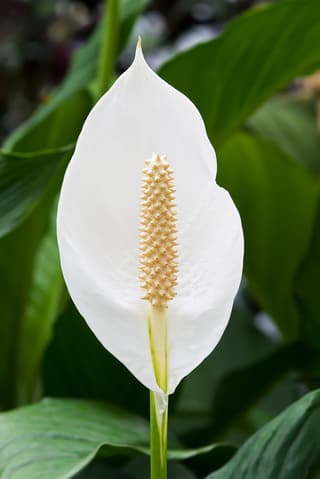
| Peace Lily | Easy | Low light | 4d | ⚠️ |
| Swiss Cheese Plant | Easy | Partial shade | 10d | ⚠️ |
| Golden Pothos | Easy | Low light | 8d | ⚠️ |
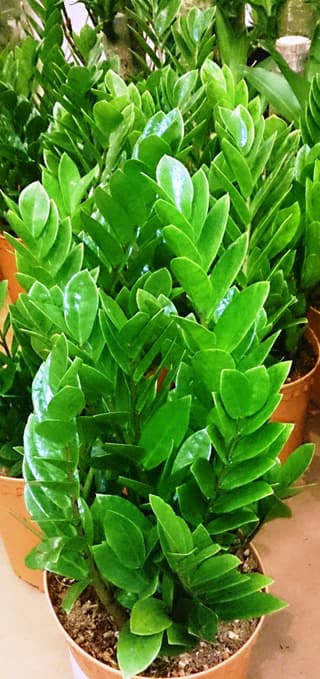
| ZZ Plant | Easy | Low light | 18d | ⚠️ |