Lamiaceae
Peppermint (Mentha x piperita): Complete Growing & Care Guide
Mentha x piperita
Plant in fertile, moist, well-drained soil in full sun to partial shade. Water regularly to keep soil consistently moist. Grow in containers to control its vigorous spreading habit. Fertilize monthly during the growing season. Pinch off flower spikes to encourage bushier growth and more aromatic leaves.
Every 3 days
Bright indirect
-15° - 35°C
30% - 60%
Categories
What is Peppermint?
Peppermint (Mentha x piperita) is a easy-care plant from the Lamiaceae family. Peppermint (Mentha x piperita) is a natural hybrid between watermint (M. aquatica) and spearmint (M. spicata), cultivated for centuries for its intense menthol aroma and remarkable medicinal properties. This vigorous perennial herb features ovate, sharply-toothed dark green leaves that release their...
Peppermint grows up to 90cm, spread of 150cm, watering every 3 days, -15°C – 35°C, 30–60% humidity. It is suitable for indoor environments and not safe for pets.
Unlike many tropical plants, Peppermint tolerates watering mistakes. Best for beginners. Without precautions, ingestion can cause irritation in pets. Keep out of reach of cats and dogs. Without adequate drainage, root rot can develop within 7 days.
How to Care for Peppermint?
TLDR: Peppermint needs Bright indirect, watering every 3 days, and temperatures between -15-35°C with 30-60% humidity.
How Often Should You Water Peppermint?
Water every 2-4 days, keeping soil evenly moist but never waterlogged. Check moisture by inserting your finger 2 cm into the soil — water when the top layer feels dry. Reduce watering in winter. Avoid wetting the leaves directly to minimize fungal disease risk.
How Much Light Does Peppermint Need?
Prefers full sun to partial shade — ideally 4-6 hours of direct sunlight daily. Indoors, place near south- or east-facing windows. Insufficient light reduces menthol content and diminishes the characteristic aroma.
What Is the Best Soil for Peppermint?
Use fertile, moisture-retentive yet well-draining soil rich in organic matter. Ideal mix: garden soil + compost + coarse sand at a 2:1:1 ratio. Maintain pH between 6.0 and 7.0. Amend monthly with compost or worm castings to support vigorous growth.
What Pot Should You Use for Peppermint?
Terracotta or ceramic pots at least 20-25 cm deep and wide are ideal for controlling peppermint's invasive rhizomes. The porous nature of terracotta promotes root aeration and prevents waterlogging.
Care Schedule
Fertilize
Every 30 days
Repot
Every 365 days
What Is Peppermint and Where Does It Come From?
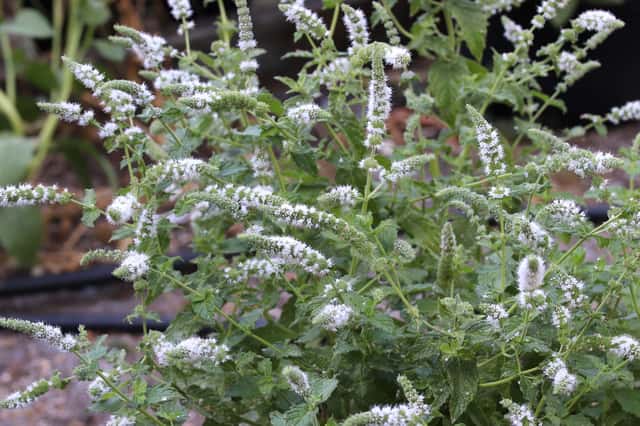
Peppermint (Mentha x piperita) is a natural hybrid between watermint (M. aquatica) and spearmint (M. spicata), cultivated for centuries for its intense menthol aroma and remarkable medicinal properties. This vigorous perennial herb features ovate, sharply-toothed dark green leaves that release their characteristic cool, refreshing scent when touched. In late summer, it produces small pale purple to pink flowers in dense terminal spikes, attracting pollinators. A fast spreader via underground rhizomes, peppermint is one of the most widely used aromatic plants in the world.
How to Propagate Peppermint?
Stem cutting
Use clean, sharp scissors to prevent disease. Water propagation is the easiest and most reliable method for peppermint.
- 1 Cut a healthy stem 10-15 cm long, just below a node
- 2 Strip the leaves from the lower 5 cm of the stem
- 3 Place the cutting in a glass of clean water, keeping leaves above the waterline
- 4 Set in bright indirect light and change the water every 2-3 days
- 5 Once roots reach 2-3 cm, transplant into moist potting mix
Materials needed:
Root division
Divide the plant every 1-2 years to rejuvenate growth and prevent the rhizomes from becoming overcrowded.
- 1 Remove the parent plant from its pot or dig around the clump in the ground
- 2 Divide the rhizome into 2-4 sections using your hands or a clean knife
- 3 Ensure each division has roots and at least one shoot
- 4 Plant each division in moist soil and water well
Materials needed:
How Big Does Peppermint Grow?
TLDR: Peppermint can reach up to 90cm tall with Fast growth rate.
Max height
90cm
Spread
1.5m
Growth rate
Fast
Foliage
Deciduous
Warning: Toxic Plant
This plant can be toxic if ingested. Keep out of reach of:
Plant Uses
Medicinal
Medicinal properties
Edible
Can be consumed
Aromatic
Pleasant fragrance
Ornamental
Great for decoration
Ground Cover
Soil coverage
Medicinal Uses
- Digestive aid — relieves indigestion, bloating, and nausea
- Headache relief via topical application of diluted essential oil
- Natural decongestant for respiratory conditions
- Antimicrobial and anti-inflammatory properties
- Calming tea to ease anxiety and improve sleep quality
Culinary Uses
- Flavoring for desserts, chocolates, and confections
- Herbal teas and refreshing infusions
- Cocktails and mocktails (mojitos, mint juleps)
- Sauces, salads, and savory dishes
- Syrups, candies, and flavored beverages
Is your plant showing symptoms?
Click on the symptom to discover possible causes:
What Diseases Commonly Affect Peppermint?
TLDR: Peppermint is susceptible to 13 known diseases. Monitor regularly for early detection.
Powdery Mildew
Powdery mildew is a common fungal disease caused by various fungi species including Erysiphe, Podosphaera, Oïdium, and Leveillula. It affects over 10,000 plant species worldwide. The disease thrives in warm, dry climates with high humidity and appears as a distinctive white powdery coating on plant surfaces.
Rust
Rust is a common fungal disease caused by fungi in the order Pucciniales that affects a wide variety of plants. The disease gets its name from the characteristic orange, yellow, or reddish-brown pustules that appear on leaves, resembling metal rust. This obligate fungal parasite requires living plants to survive and can cause significant economic losses in agricultural crops.
Verticillium Wilt
Verticillium wilt is a soil-borne fungal disease caused primarily by the fungi Verticillium dahliae and V. albo-atrum. These pathogens infect plant roots and grow within the vascular tissues, blocking water and nutrient transport, resulting in wilting and eventual plant death. The disease affects over 350 plant species including vegetables, fruits, ornamental flowers, and trees. The fungi can survive in soil for more than 10 years as resistant structures called microsclerotia.
Anthracnose
Anthracnose is a fungal disease caused by fungi in the genus Colletotrichum that affects many plants, including vegetables, fruits, and trees. The disease thrives in cool, wet conditions, causing dark, sunken lesions on leaves, stems, flowers, and fruits.
Meaning & Symbolism
Peppermint symbolizes hospitality, freshness, and vitality. In Greek mythology, mint is associated with Minthe, a nymph transformed into the plant by Persephone. It has represented virtue and purity in Mediterranean cultures since antiquity and was used in religious rituals and medicinal preparations throughout ancient history.
Fun Facts
Peppermint is a sterile hybrid — it cannot produce viable seeds and reproduces exclusively through rhizomes and cuttings.
Menthol, peppermint's signature compound, activates cold receptors in the skin without actually lowering temperature, creating that iconic cooling sensation.
Ancient Egyptians cultivated mint over 3,000 years ago — dried mint leaves have been found in tombs dating back to 1000 BCE.
A single peppermint plant can spread more than a meter in all directions in a single growing season via its underground rhizomes.
Frequently asked questions
How often should I water peppermint?
Can peppermint be grown indoors?
Is peppermint toxic to cats and dogs?
How do I propagate peppermint?
Why does my peppermint have yellow leaves?
Compare with similar plants
| Attribute | Difficulty | Light | Watering | Pet Safe |
|---|---|---|---|---|
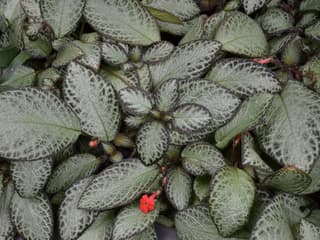
| Flame Violet | Easy | Partial shade | 7d | ✓ |
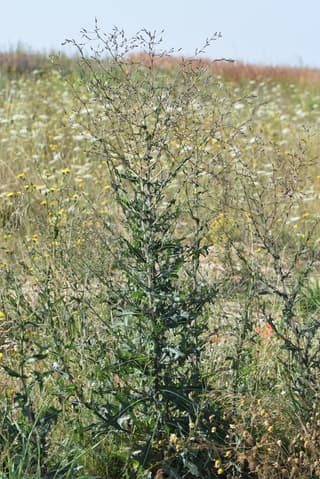
| Prickly Lettuce | Easy | Direct sun | 7d | ✓ |
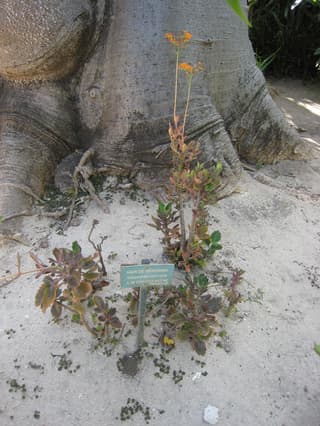
| Christmas Tree Plant | Easy | Bright indirect | 10d | ⚠️ |
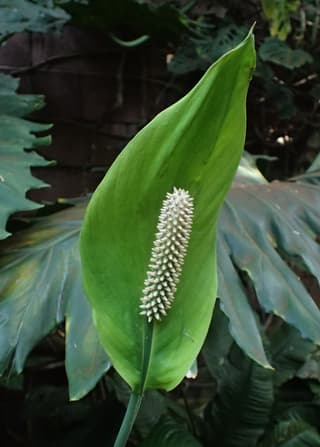
| Peace Lily | Easy | Low light | 7d | ⚠️ |