Euphorbiaceae
Medusa's Head (Euphorbia caput-medusae): Complete Care Guide
Euphorbia caput-medusae
An extremely drought-tolerant plant perfect for low-maintenance care routines. It thrives in full direct sun, fast-draining sandy soil, and infrequent watering. The greatest threat is overwatering — root rot from waterlogged soil is the leading cause of death for this species.
Every 30 days
Direct sun
10° - 29°C
30% - 50%
Categories
What is Medusa's Head?
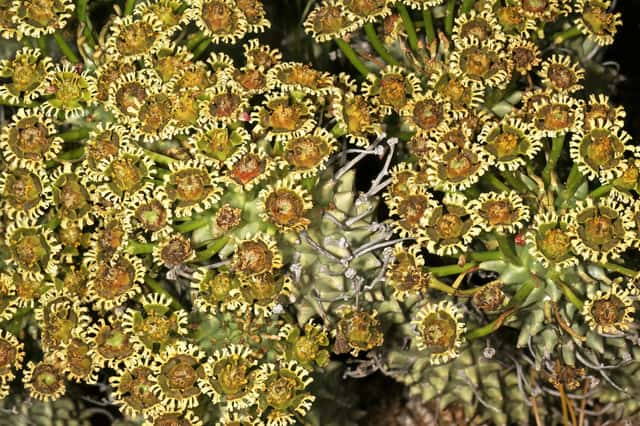
Medusa's Head (Euphorbia caput-medusae) is a easy-care plant from the Euphorbiaceae family. Medusa's Head (Euphorbia caput-medusae) is a striking succulent native to the Western Cape of South Africa. It features a short, stout central stem from which numerous snake-like branches radiate outward, closely resembling the serpentine locks of the mythological Medusa. A member of the Euphorbiace...
Medusa's Head grows up to 60cm, with spread of 90cm, watering every 30 days, 10°C – 29°C, 30–50% humidity. It is suitable for indoor environments and not safe for pets.
Unlike many tropical plants, Medusa's Head tolerates watering mistakes. Best for beginners. Without precautions, ingestion can cause irritation in pets. Keep out of reach of cats and dogs. Without adequate drainage, root rot can develop within 60 days.
How to Care for Medusa's Head?
TLDR: Medusa's Head needs Direct sun, watering every 30 days, and temperatures between 10-29°C with 30-50% humidity.
How Often Should You Water Medusa's Head?
Water only once a month during summer and reduce to almost nothing in winter. Always allow the soil to dry out completely between waterings. Use a pot with a drainage hole at all times.
How Much Light Does Medusa's Head Need?
Provide full sun — place it in the brightest spot available, ideally with at least 6 hours of direct sunlight per day. Insufficient light causes the branches to grow long and leggy, losing the plant's characteristic compact form.
What Is the Best Soil for Medusa's Head?
Use a cactus and succulent mix, or blend coarse sand and perlite with standard potting soil (1:1 ratio). Fast drainage is key — waterlogged roots are fatal to this species.
What Pot Should You Use for Medusa's Head?
Terracotta or ceramic pot with a drainage hole. Avoid plastic pots that retain moisture. The pot diameter should be only slightly larger than the central stem to avoid excess soil staying wet.
Care Schedule
Fertilize
Every 90 days
Repot
Every 730 days
What Is Medusa's Head and Where Does It Come From?
Medusa's Head (Euphorbia caput-medusae) is a striking succulent native to the Western Cape of South Africa. It features a short, stout central stem from which numerous snake-like branches radiate outward, closely resembling the serpentine locks of the mythological Medusa. A member of the Euphorbiaceae family, it is prized as a unique ornamental plant in rock gardens, containers, and succulent collections worldwide.
How to Propagate Medusa's Head?
Division by offsets
Always wear gloves when handling this plant — the milky latex sap is a skin and eye irritant. Use sterilized tools to prevent contamination.
- 1 Using clean pruning shears, cut a healthy side shoot at the base
- 2 Allow the cut end to dry in open air for 2-3 days so the milky sap can callous over
- 3 Plant the offset in dry succulent mix
- 4 Keep in a bright, warm spot and wait before watering until roots have established
Materials needed:
How Big Does Medusa's Head Grow?
TLDR: Medusa's Head can reach up to 60cm tall with Slow growth rate.
Max height
60cm
Spread
90cm
Growth rate
Slow
Foliage
Evergreen
Warning: Toxic Plant
This plant can be toxic if ingested. Keep out of reach of:
Plant Uses
Ornamental
Great for decoration
Is your plant showing symptoms?
Click on the symptom to discover possible causes:
What Diseases Commonly Affect Medusa's Head?
TLDR: Medusa's Head is susceptible to 6 known diseases. Monitor regularly for early detection.
Mealybugs
Mealybugs are small, soft-bodied insects covered with a white, waxy, cottony material. They are common pests of houseplants and outdoor plants in mild climates. These sap-sucking insects feed on plant tissue, causing damage, stunted growth, and can lead to plant death if left untreated. They produce sticky honeydew which attracts sooty mold.
Spider Mites
Spider mites are tiny arachnids (less than 1/20 inch long) related to spiders and ticks that feed on plant sap. They thrive in hot, dry conditions and can cause significant damage to ornamental and vegetable plants. During severe infestations, crop losses can reach 14% or higher as these pests disrupt vital plant processes including photosynthesis, carbon dioxide absorption, and transpiration.
Aphids
Aphids are small, soft-bodied, pear-shaped insects (1/16 to 1/8 inch long) that feed by sucking nutrient-rich sap from plants. They reproduce rapidly and can quickly weaken plants, causing distorted growth and transmitting plant viruses. Aphids come in various colors including green, black, red, yellow, brown, and gray. They secrete honeydew, a sticky substance that attracts ants and encourages sooty mold growth.
Root Rot
Root rot is a serious fungal disease that affects the root system of plants, causing them to decay and die. It is primarily caused by overwatering, poor drainage, or soil-borne fungi such as Pythium, Phytophthora, Rhizoctonia, and Fusarium. The disease thrives in waterlogged conditions where roots are deprived of oxygen, making them susceptible to fungal infection.
Meaning & Symbolism
Medusa's Head symbolizes resilience and transformation. Its serpentine arms evoke protection and the untamed power of nature, making it a bold statement plant in any collection.
Fun Facts
The scientific name caput-medusae is Latin for "head of Medusa," a direct reference to its serpentine branching pattern.
Despite resembling a cactus, Medusa's Head belongs to the Euphorbiaceae family and produces a milky latex sap that is highly irritating to skin and eyes.
In its native South Africa, it grows naturally in sandy and rocky soils near the Western Cape coastline.
The trailing arms can reach up to 90 cm in length, forming a dense ground-hugging mat in its natural habitat.
Frequently asked questions
How often should I water Medusa's Head?
Is Medusa's Head toxic?
Why are my plant's arms growing long and thin?
How do I propagate Medusa's Head?
When does Medusa's Head bloom?
Compare with similar plants
| Attribute | Difficulty | Light | Watering | Pet Safe |
|---|---|---|---|---|
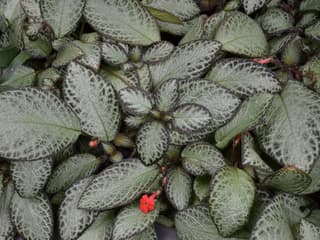
| Flame Violet | Easy | Partial shade | 7d | ✓ |
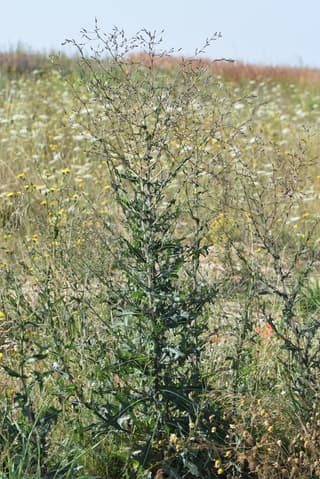
| Prickly Lettuce | Easy | Direct sun | 7d | ✓ |
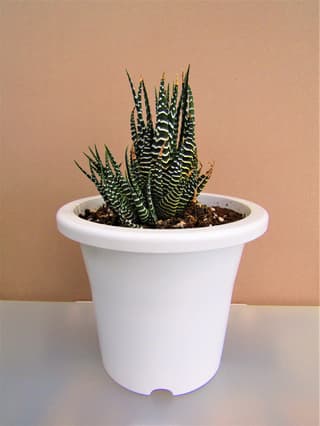
| Haworthiopsis (genus) | Easy | Partial shade | 14d | ✓ |
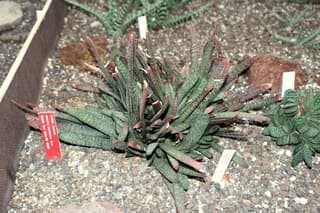
| Gasteria (genus) | Easy | Partial shade | 14d | ✓ |