Lamiaceae
Lemon Balm (Melissa officinalis): Complete Growing and Care Guide
Melissa officinalis
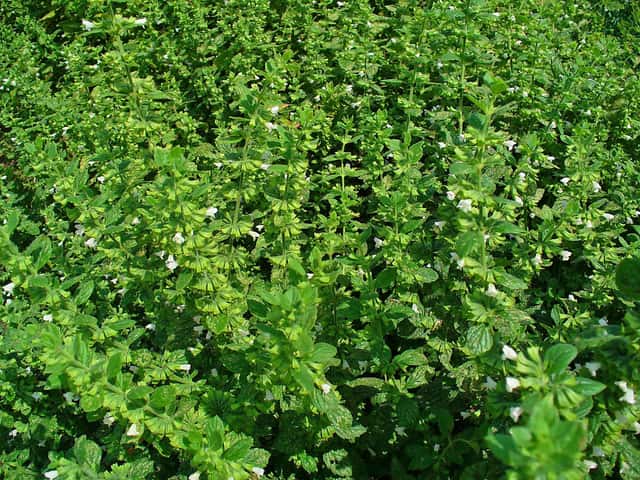
Lemon balm is easy to grow and highly resilient. It thrives in full sun or partial shade, prefers well-drained soil, and requires regular watering. Fast-growing and potentially invasive in gardens, it also does well in containers. Regular pruning encourages bushy growth and prevents early flowering, which can diminish leaf flavor.
Every 7 days
Bright indirect
5° - 32°C
40% - 70%
Categories
What is Lemon Balm?
Lemon Balm (Melissa officinalis) is a easy-care plant from the Lamiaceae family. Lemon balm (Melissa officinalis) is a perennial aromatic herb in the Lamiaceae family, native to the Mediterranean and Southern Europe. Prized for its delicate lemon scent, it is widely cultivated for medicinal, culinary, and ornamental purposes. Its dark green leaves are rich in essential oils with...
Lemon Balm grows up to 90cm, with spread of 90cm, watering every 7 days, 5°C – 32°C, 40–70% humidity. It is suitable for indoor environments and safe for pets.
Unlike many tropical plants, Lemon Balm tolerates watering mistakes. Best for beginners. Unlike many popular species, Lemon Balm is safe to keep around pets. Without adequate drainage, root rot can develop within 14 days.
How to Care for Lemon Balm?
TLDR: Lemon Balm needs Bright indirect, watering every 7 days, and temperatures between 5-32°C with 40-70% humidity.
How Often Should You Water Lemon Balm?
Water weekly, keeping the soil lightly moist but never waterlogged. Established plants are moderately drought tolerant. Avoid overhead watering to reduce the risk of fungal diseases.
How Much Light Does Lemon Balm Need?
Plant in full sun (6-8 hours daily) or partial shade. In very hot climates, afternoon shade helps preserve leaf quality and essential oil concentration.
What Is the Best Soil for Lemon Balm?
Use well-drained, slightly sandy, fertile soil with a pH of 6.5-7.0. Incorporate organic compost to enrich the growing medium. Avoid consistently wet conditions that lead to root rot.
What Pot Should You Use for Lemon Balm?
Terracotta or clay pot with good drainage, at least 20 cm in diameter. In gardens, it can be planted directly in the ground with root barriers to control spreading.
Care Schedule
Fertilize
Every 90 days
Repot
Every 365 days
What Is Lemon Balm and Where Does It Come From?
Lemon balm (Melissa officinalis) is a perennial aromatic herb in the Lamiaceae family, native to the Mediterranean and Southern Europe. Prized for its delicate lemon scent, it is widely cultivated for medicinal, culinary, and ornamental purposes. Its dark green leaves are rich in essential oils with calming, antioxidant, and antiviral properties.
How to Propagate Lemon Balm?
Seed Sowing
Sow in spring after the last frost. Seeds are tiny — surface sow without burying.
- 1 Surface-sow seeds on moist growing medium without covering, as they need light to germinate.
- 2 Keep in a warm location (18-22°C) with good brightness.
- 3 Transplant seedlings when they have 4-6 true leaves.
Materials needed:
Clump Division
Division is the quickest and most reliable method. Divide every 2-3 years to rejuvenate the plant.
- 1 Divide the clump in spring, carefully separating the roots.
- 2 Replant each division in fertile, well-drained soil.
- 3 Water thoroughly after transplanting and provide partial shade for a few days.
Materials needed:
How Big Does Lemon Balm Grow?
TLDR: Lemon Balm can reach up to 90cm tall with Fast growth rate.
Max height
90cm
Spread
90cm
Growth rate
Fast
Foliage
Deciduous
Plant Uses
Medicinal
Medicinal properties
Aromatic
Pleasant fragrance
Edible
Can be consumed
Ornamental
Great for decoration
Medicinal Uses
- Anxiety and stress relief
- Insomnia and sleep disorders
- Digestive discomfort and cramps
- Tension headaches
- Natural antioxidant and antiviral
Culinary Uses
- Herbal teas and infusions
- Seasoning for salads and fish
- Lemonades and refreshing drinks
- Flavoring for desserts and ice cream
- Syrups and preserves
Is your plant showing symptoms?
Click on the symptom to discover possible causes:
What Diseases Commonly Affect Lemon Balm?
TLDR: Lemon Balm is susceptible to 11 known diseases. Monitor regularly for early detection.
Root Rot
Root rot is a serious fungal disease that affects the root system of plants, causing them to decay and die. It is primarily caused by overwatering, poor drainage, or soil-borne fungi such as Pythium, Phytophthora, Rhizoctonia, and Fusarium. The disease thrives in waterlogged conditions where roots are deprived of oxygen, making them susceptible to fungal infection.
Powdery Mildew
Powdery mildew is a common fungal disease caused by various fungi species including Erysiphe, Podosphaera, Oïdium, and Leveillula. It affects over 10,000 plant species worldwide. The disease thrives in warm, dry climates with high humidity and appears as a distinctive white powdery coating on plant surfaces.
Leaf Spot
Leaf spot is a common fungal disease caused by various pathogens including Alternaria, Ascochyta, Colletotrichum, Septoria, and Venturia. It primarily affects leaves, causing discolored spots that can lead to premature leaf drop if left untreated.
Septoria Leaf Spot
Septoria leaf spot is a destructive fungal disease caused by Septoria lycopersici, particularly devastating during seasons of moderate temperature and abundant rainfall. The disease starts on lower leaves and progresses upward, causing small circular spots with tan to gray centers and dark brown margins. If left untreated, it can dramatically reduce plant yields and cause complete leaf blight.
Meaning & Symbolism
Lemon balm symbolizes calm, healing, and longevity. In European tradition, it was associated with spiritual renewal and heart comfort.
Fun Facts
Lemon balm is one of Europe's oldest medicinal plants, mentioned by Dioscorides over 2,000 years ago.
Its genus name "Melissa" comes from the Greek word for "bee" — the white flowers powerfully attract pollinators.
Lemon balm can become invasive: its creeping roots and abundant seeds spread readily through garden beds.
Melissa essential oil is among the most valued in the aromatic market, prized in high-quality perfumery and aromatherapy.
Frequently asked questions
How often should I water lemon balm?
Can lemon balm be grown indoors?
Is lemon balm toxic to pets?
How do I prevent lemon balm from taking over my garden?
When is the best time to harvest lemon balm leaves?
Compare with similar plants
| Attribute | Difficulty | Light | Watering | Pet Safe |
|---|---|---|---|---|
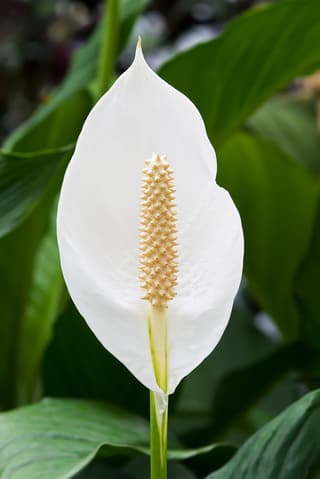
| Peace Lily | Easy | Low light | 4d | ⚠️ |
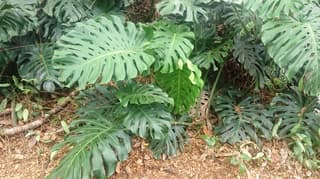
| Swiss Cheese Plant | Easy | Partial shade | 10d | ⚠️ |
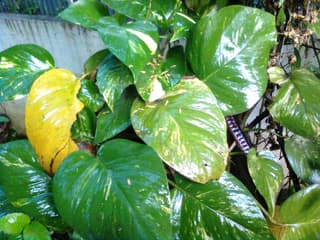
| Golden Pothos | Easy | Low light | 8d | ⚠️ |
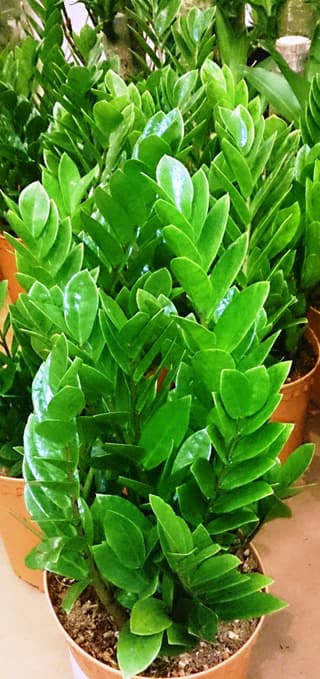
| ZZ Plant | Easy | Low light | 18d | ⚠️ |