Euphorbiaceae
Mexican Fireplant: Fast Growing
Euphorbia heterophylla
An easy-care plant for warm, sunny outdoor settings. Thrives in full sun with well-drained soil. Water moderately, allowing the topsoil to dry between waterings. Fast-growing during summer and fall. Always wear gloves when handling, as the milky latex sap is irritating to skin, eyes, and mucous membranes. Toxic to cats, dogs, and humans — keep out of reach of children and pets.
Every 7 days
Bright indirect
15° - 38°C
30% - 70%
Categories
What is Mexican Fireplant?
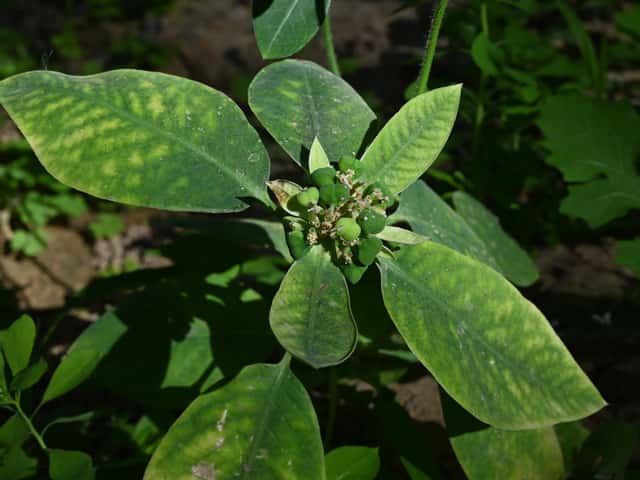
Mexican Fireplant (Euphorbia heterophylla) is a easy-care plant from the Euphorbiaceae family. Euphorbia heterophylla, commonly known as Mexican fireplant or wild poinsettia, is a herbaceous annual or short-lived perennial in the family Euphorbiaceae. Native to tropical and subtropical Americas, it grows 30–100 cm tall with variably shaped leaves and upper bracts that turn bright red or white...
Mexican Fireplant grows up to 1.0m, spread of 60cm, watering every 7 days, 15°C – 38°C, 30–70% humidity. It is not suitable for indoor environments and not safe for pets.
Unlike many tropical plants, Mexican Fireplant tolerates watering mistakes. Best for beginners. Without precautions, ingestion can cause irritation in pets. Keep out of reach of cats and dogs.
How to Care for Mexican Fireplant?
TLDR: Mexican Fireplant needs Bright indirect, watering every 7 days, and temperatures between 15-38°C with 30-70% humidity.
How Often Should You Water Mexican Fireplant?
Water every 7 days on average, allowing the top inch of soil to dry out between waterings. Reduce frequency in cooler months. Avoid waterlogging — this plant is susceptible to root rot in consistently moist conditions.
How Much Light Does Mexican Fireplant Need?
Provide full sun to partial shade. At least 6 hours of direct sunlight per day is ideal for vigorous growth and vivid bract coloration. Avoid deep shade, which causes weak, leggy growth.
What Is the Best Soil for Mexican Fireplant?
Use well-draining sandy or loamy soil. Avoid heavy clay soils that retain moisture. Ideal pH is 6.0–7.5. Adding coarse sand or perlite improves drainage significantly.
What Pot Should You Use for Mexican Fireplant?
Terracotta or ceramic pot with drainage hole. Avoid pots without drainage to prevent root rot.
Care Schedule
Fertilize
Every 30 days
Rotate
Every 7 days
What Is Mexican Fireplant and Where Does It Come From?
Euphorbia heterophylla, commonly known as Mexican fireplant or wild poinsettia, is a herbaceous annual or short-lived perennial in the family Euphorbiaceae. Native to tropical and subtropical Americas, it grows 30–100 cm tall with variably shaped leaves and upper bracts that turn bright red or white, giving it a striking ornamental appearance similar to the cultivated poinsettia. It produces a milky white latex sap that is a skin irritant and toxic if ingested, causing dermatitis and potentially anaphylaxis in latex-sensitive individuals. The plant flowers rapidly — within 30 days of emergence — and seeds mature in another 25–30 days, making it highly prolific. It is widely naturalized across the tropics and considered an invasive agricultural weed in parts of Asia.
How Big Does Mexican Fireplant Grow?
TLDR: Mexican Fireplant can reach up to 1.0m tall with Fast growth rate.
Max height
1.0m
Spread
60cm
Growth rate
Fast
Foliage
Deciduous
Warning: Toxic Plant
This plant can be toxic if ingested. Keep out of reach of:
Plant Uses
Ornamental
Great for decoration
Medicinal Uses
- Traditional use of latex externally for wart removal — caution required due to severe skin irritancy
Is your plant showing symptoms?
Click on the symptom to discover possible causes:
What Diseases Commonly Affect Mexican Fireplant?
TLDR: Mexican Fireplant is susceptible to 11 known diseases. Monitor regularly for early detection.
Root Rot
Root rot is a serious fungal disease that affects the root system of plants, causing them to decay and die. It is primarily caused by overwatering, poor drainage, or soil-borne fungi such as Pythium, Phytophthora, Rhizoctonia, and Fusarium. The disease thrives in waterlogged conditions where roots are deprived of oxygen, making them susceptible to fungal infection.
Botrytis
Powdery Mildew
Powdery mildew is a common fungal disease caused by various fungi species including Erysiphe, Podosphaera, Oïdium, and Leveillula. It affects over 10,000 plant species worldwide. The disease thrives in warm, dry climates with high humidity and appears as a distinctive white powdery coating on plant surfaces.
Rust
Rust is a common fungal disease caused by fungi in the order Pucciniales that affects a wide variety of plants. The disease gets its name from the characteristic orange, yellow, or reddish-brown pustules that appear on leaves, resembling metal rust. This obligate fungal parasite requires living plants to survive and can cause significant economic losses in agricultural crops.
Meaning & Symbolism
In its native range, the Mexican fireplant symbolizes resilience and adaptability — thriving even in disturbed soils and challenging environments where other plants struggle.
Compare with similar plants
| Attribute | Difficulty | Light | Watering | Pet Safe |
|---|---|---|---|---|
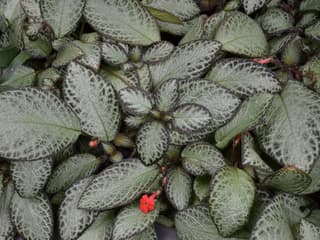
| Flame Violet | Easy | Partial shade | 7d | ✓ |
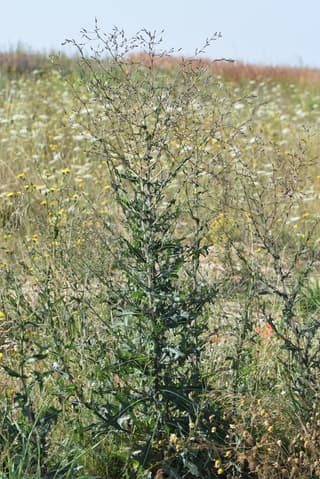
| Prickly Lettuce | Easy | Direct sun | 7d | ✓ |
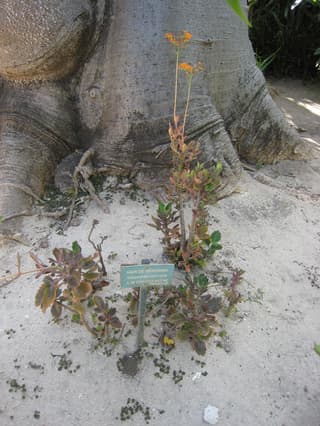
| Christmas Tree Plant | Easy | Bright indirect | 10d | ⚠️ |
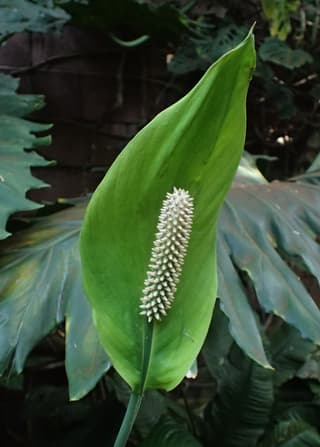
| Peace Lily | Easy | Low light | 7d | ⚠️ |