Lamiaceae
Mint (Mentha sp): How to Grow and Care
Mentha sp
Mint is easy to grow and highly resilient. It prefers good sunlight and consistently moist soil with good drainage. Water every 7 days or when the top inch of soil is dry. Fertilize every 45 days during the growing season. Trim stems regularly to encourage new growth and prevent premature flowering.
Every 7 days
Bright indirect
-1° - 29°C
50% - 70%
Categories
What is Mint?
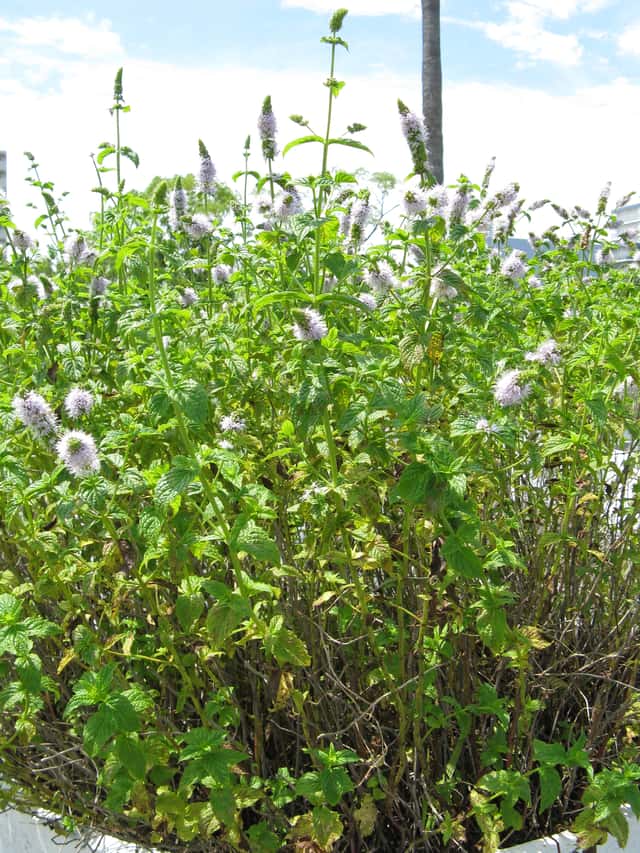
Mint (Mentha sp) is a easy-care plant from the Lamiaceae family. Mint (Mentha sp) is a genus of aromatic perennial herbs in the family Lamiaceae, native to Europe and Asia. Renowned for its refreshing scent and intense flavor, it is widely cultivated in gardens, pots, and kitchen herb plots. It spreads vigorously through underground stolons and can become invasiv...
Mint grows up to 90cm, with spread of 150cm, watering every 7 days, -1°C – 29°C, 50–70% humidity. It is suitable for indoor environments and not safe for pets.
Unlike many tropical plants, Mint tolerates watering mistakes. Best for beginners. Without precautions, ingestion can cause irritation in pets. Keep out of reach of cats and dogs. Without adequate drainage, root rot can develop within 14 days.
How to Care for Mint?
TLDR: Mint needs Bright indirect, watering every 7 days, and temperatures between -1-29°C with 50-70% humidity.
How Often Should You Water Mint?
Water mint when the top inch of soil feels dry. The soil should remain slightly moist but never waterlogged. In hot summer weather, more frequent watering may be necessary.
How Much Light Does Mint Need?
Mint prefers full sun to partial shade, with at least 4 to 6 hours of direct sunlight per day. In very hot climates, partial afternoon shade protects leaves from scorching.
What Is the Best Soil for Mint?
Use rich, well-draining organic soil with a pH between 6.0 and 7.0. Mint tolerates various soil types but performs best in loamy soil with good moisture retention.
What Pot Should You Use for Mint?
Prefer clay or ceramic pots with generous drainage holes. Clay pots regulate moisture better and prevent waterlogging. Use medium-sized pots (15-20 cm diameter) to control root expansion.
Care Schedule
Fertilize
Every 45 days
Rotate
Every 30 days
Repot
Every 365 days
What Is Mint and Where Does It Come From?
Mint (Mentha sp) is a genus of aromatic perennial herbs in the family Lamiaceae, native to Europe and Asia. Renowned for its refreshing scent and intense flavor, it is widely cultivated in gardens, pots, and kitchen herb plots. It spreads vigorously through underground stolons and can become invasive if not contained. Its leaves are used fresh or dried in cooking, folk medicine, and aromatherapy.
How to Propagate Mint?
Root division
Division is the fastest and most reliable method to propagate mint. Perform at the beginning of spring for best results.
- 1 Remove the plant carefully from its pot
- 2 Separate the rhizomes into sections with at least 2-3 shoots each
- 3 Plant each division in an individual pot with moist growing medium
- 4 Water well and keep in indirect light for 1 week
Materials needed:
Stem cutting
Use young, vigorous shoots for higher success rates. Keep in a bright location but away from direct sunlight during rooting.
- 1 Cut a healthy stem 10-15 cm long, just below a node
- 2 Remove leaves from the bottom 5 cm of the stem
- 3 Place the stem in a glass of clean water
- 4 Change the water every 2-3 days until roots reach 2-3 cm
- 5 Transplant into moist growing medium
Materials needed:
How Big Does Mint Grow?
TLDR: Mint can reach up to 90cm tall with Fast growth rate.
Max height
90cm
Spread
1.5m
Growth rate
Fast
Foliage
Deciduous
Warning: Toxic Plant
This plant can be toxic if ingested. Keep out of reach of:
Plant Uses
Edible
Can be consumed
Medicinal
Medicinal properties
Aromatic
Pleasant fragrance
Ornamental
Great for decoration
Ground Cover
Soil coverage
Medicinal Uses
- Digestive aid and nausea relief
- Headache relief (essential oil)
- Antiseptic and anti-inflammatory properties
- Peppermint tea for cold and sinus symptoms
Culinary Uses
- Teas and drinks (mojito, mint lemonade)
- Sauces, chutneys, and preserves
- Fresh salads and tabbouleh
- Desserts (ice creams, chocolates)
- Seasoning for meats and fish
Is your plant showing symptoms?
Click on the symptom to discover possible causes:
What Diseases Commonly Affect Mint?
TLDR: Mint is susceptible to 11 known diseases. Monitor regularly for early detection.
Root Rot
Root rot is a serious fungal disease that affects the root system of plants, causing them to decay and die. It is primarily caused by overwatering, poor drainage, or soil-borne fungi such as Pythium, Phytophthora, Rhizoctonia, and Fusarium. The disease thrives in waterlogged conditions where roots are deprived of oxygen, making them susceptible to fungal infection.
Powdery Mildew
Powdery mildew is a common fungal disease caused by various fungi species including Erysiphe, Podosphaera, Oïdium, and Leveillula. It affects over 10,000 plant species worldwide. The disease thrives in warm, dry climates with high humidity and appears as a distinctive white powdery coating on plant surfaces.
Rust
Rust is a common fungal disease caused by fungi in the order Pucciniales that affects a wide variety of plants. The disease gets its name from the characteristic orange, yellow, or reddish-brown pustules that appear on leaves, resembling metal rust. This obligate fungal parasite requires living plants to survive and can cause significant economic losses in agricultural crops.
Overwatering
Overwatering occurs when plants receive too much water, depriving roots of oxygen and causing root rot. This environmental stress is one of the most common causes of houseplant death, as waterlogged soil prevents roots from breathing and functioning properly.
Meaning & Symbolism
In folklore, mint symbolizes hospitality, prosperity, and purification. It is used in rituals and traditions to attract good luck and positive energy.
Fun Facts
Mint has been cultivated for over 2,000 years; ancient Romans used it to perfume banquets and crown their guests.
There are more than 25 Mentha species and hundreds of hybrids and varieties, with scents ranging from menthol to chocolate and apple.
Mint grows so quickly it can double in size within weeks; that is why it is advisable to grow it in separate containers.
The menthol in peppermint activates cold receptors in the skin, creating a cooling sensation without actually lowering the temperature.
Frequently asked questions
How often should I water mint?
Can mint be grown in a pot?
Is mint toxic to pets?
When is the best time to prune mint?
Why are my mint leaves turning yellow?
Compare with similar plants
| Attribute | Difficulty | Light | Watering | Pet Safe |
|---|---|---|---|---|
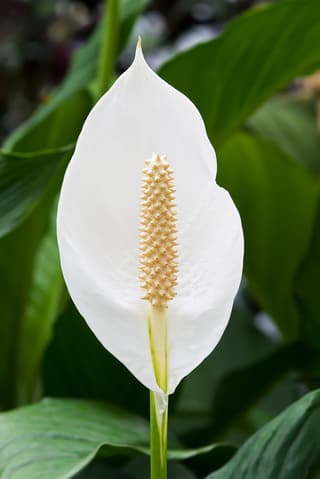
| Peace Lily | Easy | Low light | 4d | ⚠️ |
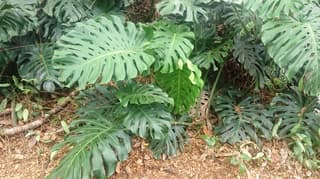
| Swiss Cheese Plant | Easy | Partial shade | 10d | ⚠️ |
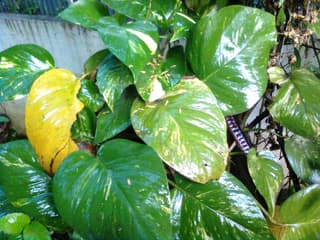
| Golden Pothos | Easy | Low light | 8d | ⚠️ |
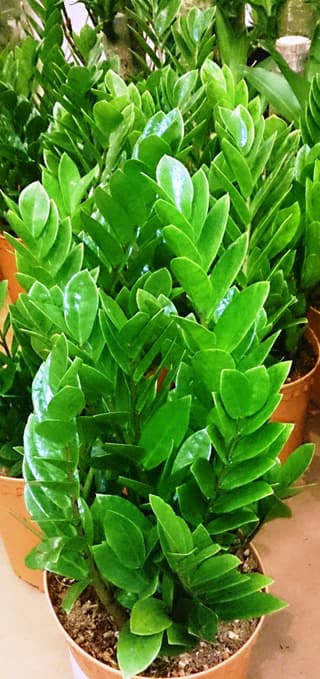
| ZZ Plant | Easy | Low light | 18d | ⚠️ |