Rubiaceae
Mirror Plant (Coprosma repens) Care Guide
Coprosma repens
Mirror Plant is a low-maintenance, drought-tolerant shrub once established. Water regularly when young, then reduce frequency. Place in a bright, sunny spot. Trim occasionally to maintain shape. Excellent for coastal and exposed gardens.
Every 10 days
Bright indirect
2° - 30°C
40% - 70%
Categories
What is Mirror Plant?
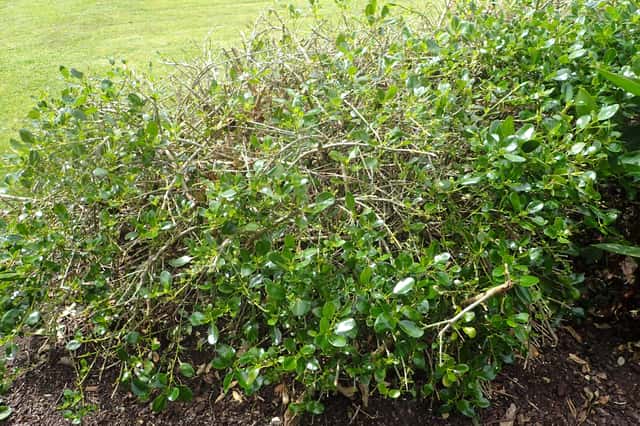
Mirror Plant (Coprosma repens) is a easy-care plant from the Rubiaceae family. Coprosma repens, commonly known as the Mirror Plant, is a glossy-leaved evergreen shrub native to New Zealand. Its highly reflective, lacquered leaves give it the distinctive mirror-like appearance that inspired its name. It is an exceptionally tough coastal plant, tolerating salt spray, wind, and d...
Mirror Plant grows up to 2.0m, with spread of 180cm, watering every 10 days, 2°C – 30°C, 40–70% humidity. It is suitable for indoor environments and safe for pets.
Unlike many tropical plants, Mirror Plant tolerates watering mistakes. Best for beginners. Unlike many popular species, Mirror Plant is safe to keep around pets. Without adequate drainage, root rot can develop within 20 days.
How to Care for Mirror Plant?
TLDR: Mirror Plant needs Bright indirect, watering every 10 days, and temperatures between 2-30°C with 40-70% humidity.
How Often Should You Water Mirror Plant?
Water every 10 days while establishing. Once mature, Coprosma repens is quite drought tolerant and only needs watering during extended dry spells. Avoid waterlogged soil to prevent root rot.
How Much Light Does Mirror Plant Need?
Thrives in full sun to partial shade. The glossier the spot, the more vibrant the leaf colors. Provide at least 4-6 hours of direct sunlight daily for best foliage performance.
What Is the Best Soil for Mirror Plant?
Plant in well-draining soil. Coprosma repens tolerates a wide range of soil types including sandy coastal soils, but does not like wet feet. A slightly acidic to neutral pH (5.5–7.0) is ideal.
What Pot Should You Use for Mirror Plant?
Terracotta or glazed ceramic pots with drainage holes work well for container growing. Choose a heavy pot to prevent toppling in windy conditions. Avoid small plastic pots as the plant prefers good drainage.
Care Schedule
Fertilize
Every 60 days
Repot
Every 730 days
What Is Mirror Plant and Where Does It Come From?
Coprosma repens, commonly known as the Mirror Plant, is a glossy-leaved evergreen shrub native to New Zealand. Its highly reflective, lacquered leaves give it the distinctive mirror-like appearance that inspired its name. It is an exceptionally tough coastal plant, tolerating salt spray, wind, and drought once established, making it a popular choice for hedging and screening in exposed gardens.
How to Propagate Mirror Plant?
Semi-hardwood Cutting
Keep the cutting moist but not soggy. A plastic bag tent over the pot can help retain humidity.
- 1 Take a 10-15 cm semi-hardwood cutting from a healthy stem in late summer
- 2 Remove lower leaves leaving 2-3 pairs at the tip
- 3 Optionally dip the cut end in rooting hormone powder
- 4 Insert into a pot with moist, well-draining propagation mix
- 5 Keep in a warm, sheltered spot with indirect light until roots develop
Materials needed:
From Seed
Fresh seed has much better germination rates than stored seed. Plants from seed may take 2-3 years to mature.
- 1 Collect fresh ripe berries from a female plant in autumn
- 2 Clean seeds from the pulp and sow immediately in seed-raising mix
- 3 Keep moist and in a warm location until germination
- 4 Prick out seedlings when large enough to handle
Materials needed:
How Big Does Mirror Plant Grow?
TLDR: Mirror Plant can reach up to 2.0m tall with Fast growth rate.
Max height
2.0m
Spread
1.8m
Growth rate
Fast
Foliage
Evergreen
Plant Uses
Ornamental
Great for decoration
Ground Cover
Soil coverage
Is your plant showing symptoms?
Click on the symptom to discover possible causes:
What Diseases Commonly Affect Mirror Plant?
TLDR: Mirror Plant is susceptible to 6 known diseases. Monitor regularly for early detection.
Root Rot
Root rot is a serious fungal disease that affects the root system of plants, causing them to decay and die. It is primarily caused by overwatering, poor drainage, or soil-borne fungi such as Pythium, Phytophthora, Rhizoctonia, and Fusarium. The disease thrives in waterlogged conditions where roots are deprived of oxygen, making them susceptible to fungal infection.
Leaf Spot
Leaf spot is a common fungal disease caused by various pathogens including Alternaria, Ascochyta, Colletotrichum, Septoria, and Venturia. It primarily affects leaves, causing discolored spots that can lead to premature leaf drop if left untreated.
Mealybugs
Mealybugs are small, soft-bodied insects covered with a white, waxy, cottony material. They are common pests of houseplants and outdoor plants in mild climates. These sap-sucking insects feed on plant tissue, causing damage, stunted growth, and can lead to plant death if left untreated. They produce sticky honeydew which attracts sooty mold.
Scale Insects
Scale insects are small sap-sucking pests that appear as brown, shell-like bumps on plant stems and leaves. There are over 25 species, divided into armored (hard) and unarmored (soft) scales. They feed by piercing plant tissue and extracting sap, which weakens the plant and can lead to yellowing, stunted growth, and even death if left untreated. They also excrete honeydew, which attracts ants and promotes sooty mold growth.
Meaning & Symbolism
In New Zealand, the Mirror Plant embodies resilience and adaptability—thriving in harsh coastal conditions where few plants can survive.
Fun Facts
The glossy leaves of Coprosma repens are so reflective they were historically used as a natural mirror by Maori people.
Coprosma repens is dioecious — male and female flowers grow on separate plants, and only female plants produce berries.
It is one of the most salt-tolerant shrubs in the world, making it ideal for beachfront gardens.
The orange-red berries attract native New Zealand birds, making it an important plant for local ecosystems.
Frequently asked questions
How often should I water the Mirror Plant?
Is Coprosma repens toxic to pets?
Can the Mirror Plant grow indoors?
How fast does Coprosma repens grow?
What are common problems with Mirror Plant?
Compare with similar plants
| Attribute | Difficulty | Light | Watering | Pet Safe |
|---|---|---|---|---|
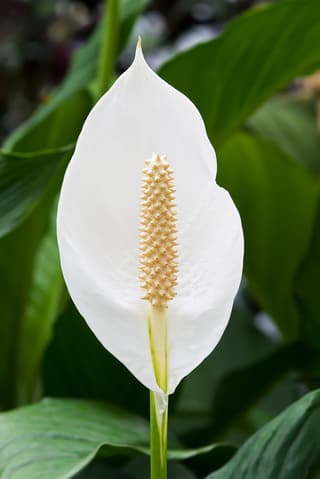
| Peace Lily | Easy | Low light | 4d | ⚠️ |
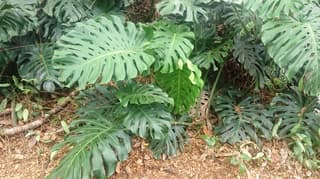
| Swiss Cheese Plant | Easy | Partial shade | 10d | ⚠️ |
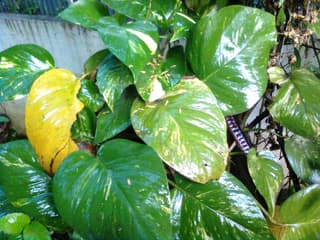
| Golden Pothos | Easy | Low light | 8d | ⚠️ |
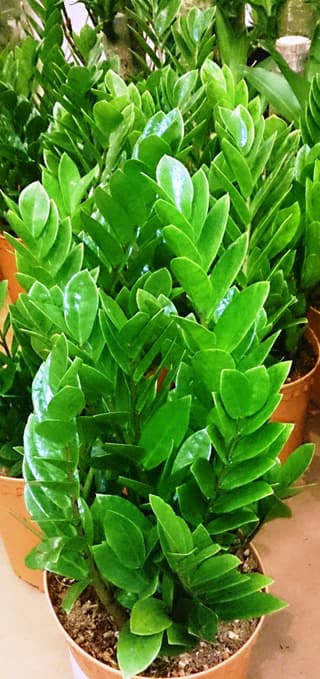
| ZZ Plant | Easy | Low light | 18d | ⚠️ |