Commelinaceae
Moses in the Cradle (Tradescantia spathacea): Complete Care Guide
Tradescantia spathacea
An easy-care tropical plant that thrives in bright indirect light. Water moderately every 7 days, allowing the top of the soil to dry slightly between waterings. Requires well-draining soil and protection from frost. Ideal for both indoor and outdoor tropical settings.
Every 7 days
Partial shade
13° - 30°C
50% - 80%
Categories
What is Moses in the Cradle?
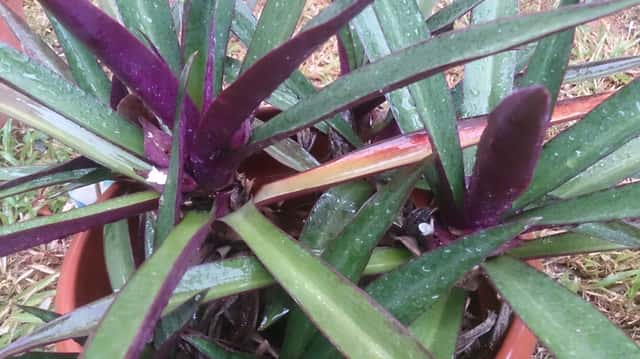
Moses in the Cradle (Tradescantia spathacea) is a easy-care plant from the Commelinaceae family. Tradescantia spathacea, commonly known as Moses in the Cradle or Oyster Plant, is a striking tropical perennial native to Mexico. It features bold, sword-shaped leaves that are deep green on top and rich purple underneath, forming dense, compact rosettes. Tiny white flowers nestled within boat-shape...
Moses in the Cradle grows up to 30cm, spread of 30cm, watering every 7 days, 13°C – 30°C, 50–80% humidity. It is suitable for indoor environments and not safe for pets.
Unlike many tropical plants, Moses in the Cradle tolerates watering mistakes. Best for beginners. Without precautions, ingestion can cause irritation in pets. Keep out of reach of cats and dogs. Without adequate drainage, root rot can develop within 14 days.
How to Care for Moses in the Cradle?
TLDR: Moses in the Cradle needs Partial shade, watering every 7 days, and temperatures between 13-30°C with 50-80% humidity.
How Often Should You Water Moses in the Cradle?
Water every 7 days during the growing season, letting the top inch of soil dry out between waterings. Reduce frequency to every 10-14 days in winter. Avoid waterlogging to prevent root rot.
How Much Light Does Moses in the Cradle Need?
Provide bright, indirect light for best foliage coloration. The purple undersides become more vivid with adequate light. Tolerates lower light but color intensity decreases. Avoid prolonged direct afternoon sun.
What Is the Best Soil for Moses in the Cradle?
Use a rich, well-draining potting mix: combine standard potting soil, perlite, and compost in equal parts. Ideal pH between 6.0-7.0. Good drainage is essential to prevent root rot.
What Pot Should You Use for Moses in the Cradle?
Terracotta or ceramic pot with drainage holes. The weight provides stability. Avoid overly deep pots.
Care Schedule
Fertilize
Every 30 days
Misting
Every 7 days
Rotate
Every 7 days
Repot
Every 365 days
What Is Moses in the Cradle and Where Does It Come From?
Tradescantia spathacea, commonly known as Moses in the Cradle or Oyster Plant, is a striking tropical perennial native to Mexico. It features bold, sword-shaped leaves that are deep green on top and rich purple underneath, forming dense, compact rosettes. Tiny white flowers nestled within boat-shaped bracts give rise to its charming common names.
How to Propagate Moses in the Cradle?
Clump Division
Division is the easiest method. Best performed in spring for optimal results.
- 1 Remove the plant from its pot and separate side rosettes by hand or with a clean knife
- 2 Ensure each division has its own roots
- 3 Plant each division in moist, well-draining soil
- 4 Keep in indirect light until fully established
Materials needed:
Stem Cutting
Use clean, sharp tools. Wear gloves as the sap can cause skin irritation.
- 1 Cut a healthy stem with at least 2-3 leaves using clean scissors
- 2 Remove lower leaves
- 3 Place in water or moist substrate
- 4 Change water every 2-3 days if propagating in water
- 5 Transplant to soil when roots reach 2-3 cm long
Materials needed:
How Big Does Moses in the Cradle Grow?
TLDR: Moses in the Cradle can reach up to 30cm tall with Medium growth rate.
Max height
30cm
Spread
30cm
Growth rate
Medium
Foliage
Evergreen
Warning: Toxic Plant
This plant can be toxic if ingested. Keep out of reach of:
Plant Uses
Ornamental
Great for decoration
Medicinal
Medicinal properties
Medicinal Uses
- Traditional antioxidant and anti-inflammatory properties
- Historical use as expectorant and diuretic in Mesoamerican folk medicine
- Hemostatic applications in traditional Mexican medicine
Is your plant showing symptoms?
Click on the symptom to discover possible causes:
What Diseases Commonly Affect Moses in the Cradle?
TLDR: Moses in the Cradle is susceptible to 13 known diseases. Monitor regularly for early detection.
Root Rot
Root rot is a serious fungal disease that affects the root system of plants, causing them to decay and die. It is primarily caused by overwatering, poor drainage, or soil-borne fungi such as Pythium, Phytophthora, Rhizoctonia, and Fusarium. The disease thrives in waterlogged conditions where roots are deprived of oxygen, making them susceptible to fungal infection.
Overwatering
Overwatering occurs when plants receive too much water, depriving roots of oxygen and causing root rot. This environmental stress is one of the most common causes of houseplant death, as waterlogged soil prevents roots from breathing and functioning properly.
Powdery Mildew
Powdery mildew is a common fungal disease caused by various fungi species including Erysiphe, Podosphaera, Oïdium, and Leveillula. It affects over 10,000 plant species worldwide. The disease thrives in warm, dry climates with high humidity and appears as a distinctive white powdery coating on plant surfaces.
Leaf Spot
Leaf spot is a common fungal disease caused by various pathogens including Alternaria, Ascochyta, Colletotrichum, Septoria, and Venturia. It primarily affects leaves, causing discolored spots that can lead to premature leaf drop if left untreated.
Meaning & Symbolism
Symbol of resilience and vibrant natural beauty; traditionally valued in Mesoamerican folk medicine.
Fun Facts
The vivid purple underside of the leaves is produced by anthocyanin pigments that act as natural sunscreen for the plant
The common name Moses in the Cradle comes from the tiny white flowers hidden within boat-shaped bracts resembling a cradle
It is considered invasive in some tropical regions due to its vigorous spreading habit
Has been used medicinally for centuries by Mesoamerican peoples for wound healing and respiratory ailments
Frequently asked questions
How often should I water Moses in the Cradle?
Is Moses in the Cradle toxic to pets?
Can Moses in the Cradle grow indoors?
Why are the leaves losing their purple color?
How do I propagate Moses in the Cradle?
Compare with similar plants
| Attribute | Difficulty | Light | Watering | Pet Safe |
|---|---|---|---|---|
| Field Maple | Easy | Bright indirect | 14d | ✓ |
| Silver Birch | Easy | Direct sun | 14d | ✓ |
| Common Blanketflower | Easy | Direct sun | 10d | ✓ |
| Cushion Bush | Easy | Direct sun | 14d | ✓ |





