Polemoniaceae
moss phlox: Ground Cover Plant
Phlox subulata
Moss phlox is a low-maintenance plant that thrives in full sun and well-drained soil. It requires minimal watering once established and should be sheared back after flowering to promote a tidy habit.
Every 7 days
Direct sun
-20° - 28°C
30% - 50%
Categories
What is moss phlox?
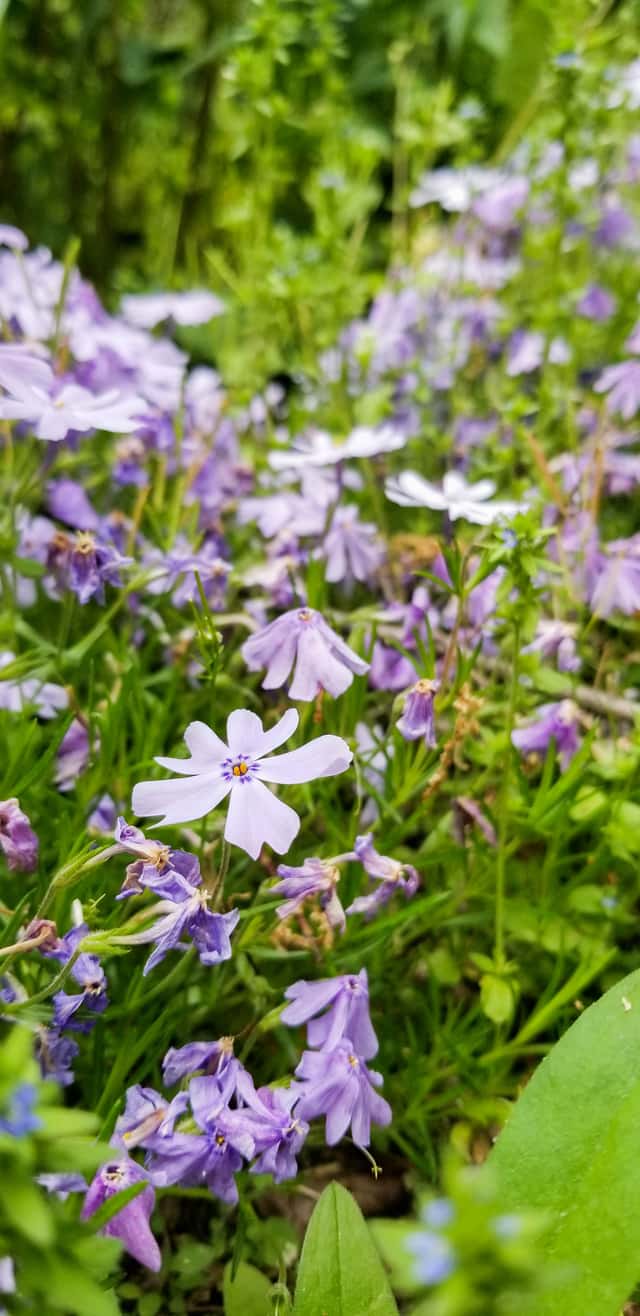
moss phlox (Phlox subulata) is a easy-care plant from the Polemoniaceae family. Phlox subulata, commonly known as moss phlox, is a vigorous, mat-forming evergreen perennial. It is celebrated for its needle-like foliage and its ability to produce a dense carpet of star-shaped flowers in early spring, often completely obscuring the leaves. It is native to the eastern and central...
moss phlox grows up to 15cm, with spread of 60cm, watering every 7 days, -20°C – 28°C, 30–50% humidity. It is not suitable for indoor environments and safe for pets.
Unlike many tropical plants, moss phlox tolerates watering mistakes. Best for beginners. Unlike many popular species, moss phlox is safe to keep around pets.
How to Care for moss phlox?
TLDR: moss phlox needs Direct sun, watering every 7 days, and temperatures between -20-28°C with 30-50% humidity.
How Often Should You Water moss phlox?
Water regularly during the first year to establish roots; thereafter, it is quite drought-tolerant and only needs supplemental water during extreme dry spells.
How Much Light Does moss phlox Need?
This plant requires full sun to achieve its best flowering potential; too much shade will result in sparse blooms and leggy stems.
What Is the Best Soil for moss phlox?
Prefers gritty, alkaline to neutral soils; it performs exceptionally well in rocky or sandy slopes where drainage is fast.
What Pot Should You Use for moss phlox?
While best grown in the ground, it can succeed in wide, shallow alpine pans or stone troughs with excellent drainage.
Care Schedule
Fertilize
Every 21 days
What Is moss phlox and Where Does It Come From?
Phlox subulata, commonly known as moss phlox, is a vigorous, mat-forming evergreen perennial. It is celebrated for its needle-like foliage and its ability to produce a dense carpet of star-shaped flowers in early spring, often completely obscuring the leaves. It is native to the eastern and central United States and is a staple in rock gardens and as a flowering ground cover.
How to Propagate moss phlox?
Root Division
- Division is best done every few years to rejuvenate older plants.
- 1 Dig up the clump
Carefully lift an established mat of phlox from the ground using a garden fork.
- 2 Separate the sections
Gently pull the root mass apart into smaller sections, ensuring each piece has healthy roots and foliage.
- 3 Replant
Plant the divisions immediately at the same depth they were previously growing and water thoroughly.
Materials needed:
Softwood Cuttings
- Keep the soil consistently moist but not waterlogged to prevent rot.
- 1 Take cuttings
Snip 3-inch tips from healthy, non-flowering stems.
- 2 Prepare the stem
Remove the lower leaves and dip the cut end into rooting hormone.
- 3 Plant in grit
Insert the cuttings into a moist, sandy propagation mix and keep in a shaded, humid environment.
Materials needed:
How Big Does moss phlox Grow?
TLDR: moss phlox can reach up to 15cm tall with Medium growth rate.
Max height
15cm
Spread
60cm
Growth rate
Medium
Foliage
Evergreen
Plant Uses
Ornamental
Great for decoration
Ground Cover
Soil coverage
Is your plant showing symptoms?
Click on the symptom to discover possible causes:
What Diseases Commonly Affect moss phlox?
TLDR: moss phlox is susceptible to 8 known diseases. Monitor regularly for early detection.
Powdery Mildew
Powdery mildew is a common fungal disease caused by various fungi species including Erysiphe, Podosphaera, Oïdium, and Leveillula. It affects over 10,000 plant species worldwide. The disease thrives in warm, dry climates with high humidity and appears as a distinctive white powdery coating on plant surfaces.
Leaf Spot
Leaf spot is a common fungal disease caused by various pathogens including Alternaria, Ascochyta, Colletotrichum, Septoria, and Venturia. It primarily affects leaves, causing discolored spots that can lead to premature leaf drop if left untreated.
Root Rot
Root rot is a serious fungal disease that affects the root system of plants, causing them to decay and die. It is primarily caused by overwatering, poor drainage, or soil-borne fungi such as Pythium, Phytophthora, Rhizoctonia, and Fusarium. The disease thrives in waterlogged conditions where roots are deprived of oxygen, making them susceptible to fungal infection.
Rust
Rust is a common fungal disease caused by fungi in the order Pucciniales that affects a wide variety of plants. The disease gets its name from the characteristic orange, yellow, or reddish-brown pustules that appear on leaves, resembling metal rust. This obligate fungal parasite requires living plants to survive and can cause significant economic losses in agricultural crops.
Meaning & Symbolism
Moss phlox is often associated with harmony, sweet dreams, and the arrival of spring.
Compare with similar plants
| Attribute | Difficulty | Light | Watering | Pet Safe |
|---|---|---|---|---|
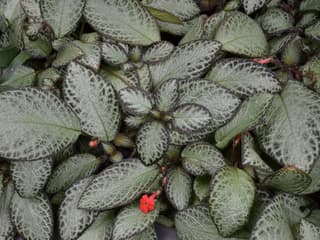
| Flame Violet | Easy | Partial shade | 7d | ✓ |
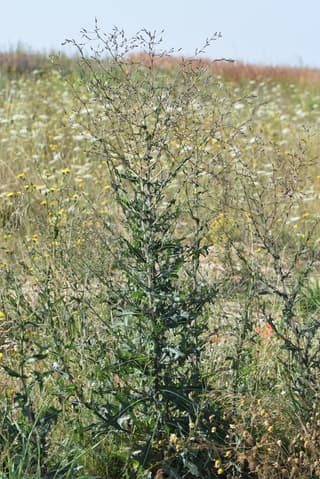
| Prickly Lettuce | Easy | Direct sun | 7d | ✓ |
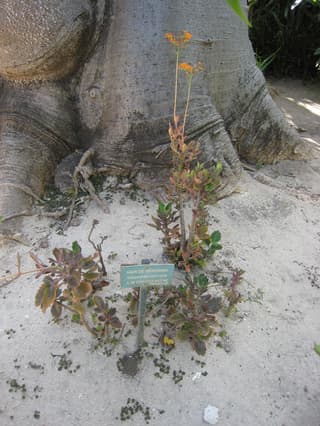
| Christmas Tree Plant | Easy | Bright indirect | 10d | ⚠️ |
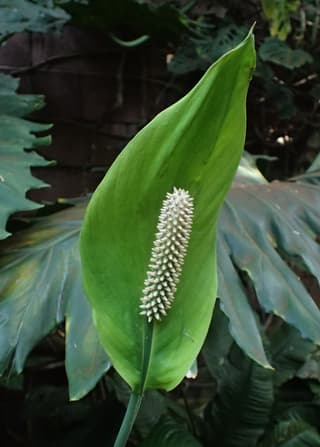
| Peace Lily | Easy | Low light | 7d | ⚠️ |