Poaceae
Pink Muhly Grass: Ground Cover Plant
Muhlenbergia capillaris
Pink muhly grass is an easy-care, drought-tolerant ornamental grass that thrives in full sun and well-drained soils. Plant in a sunny location with fast-draining soil and water regularly during the first growing season. Once established, it needs minimal supplemental irrigation and little to no fertilizer. Cut back to 8–15 cm in late winter before new growth emerges. Divide every 3–4 years to maintain vigor. Avoid heavy clay soils and overwatering, which can cause root rot and reduce flowering.
Every 10 days
Direct sun
-23° - 38°C
30% - 70%
Categories
What is Pink Muhly Grass?
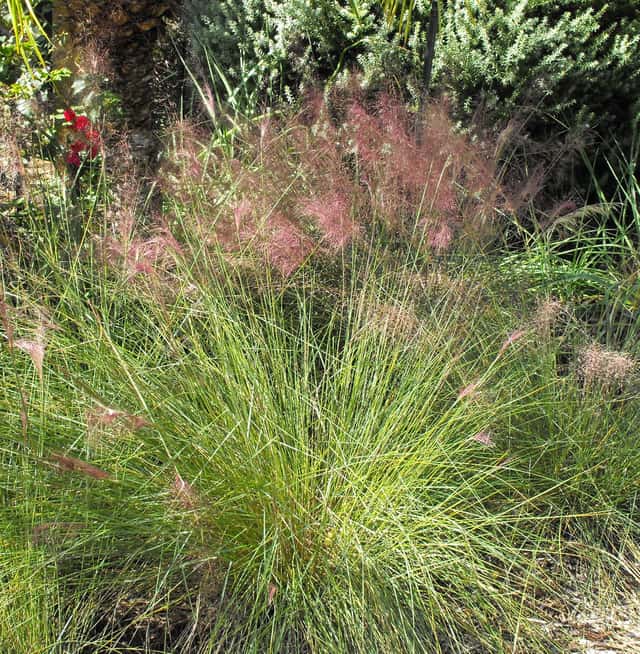
Pink Muhly Grass (Muhlenbergia capillaris) is a easy-care plant from the Poaceae family. Pink muhly grass (Muhlenbergia capillaris) is a stunning warm-season perennial bunchgrass native to the eastern United States. It forms dense, fine-textured clumps of narrow, arching green blades that reach 60–90 cm tall. In late summer and fall, it erupts into a breathtaking cloud of airy, pink-to-...
Pink Muhly Grass grows up to 1.2m, spread of 90cm, watering every 10 days, -23°C – 38°C, 30–70% humidity. It is not suitable for indoor environments and safe for pets.
Unlike many tropical plants, Pink Muhly Grass tolerates watering mistakes. Best for beginners. Unlike many popular species, Pink Muhly Grass is safe to keep around pets.
How to Care for Pink Muhly Grass?
TLDR: Pink Muhly Grass needs Direct sun, watering every 10 days, and temperatures between -23-38°C with 30-70% humidity.
How Often Should You Water Pink Muhly Grass?
Water newly planted pink muhly grass weekly for the first growing season to help it establish. Once established (typically after one full season), it becomes highly drought tolerant and needs only deep, infrequent watering — roughly every 10–14 days during dry spells, or none at all where rainfall is regular. Never let the plant sit in waterlogged soil; excellent drainage is essential. Reduce watering significantly in fall and winter.
How Much Light Does Pink Muhly Grass Need?
Pink muhly grass demands full sun — a minimum of 6 to 8 hours of direct sunlight per day — to produce its iconic pink plumes. In partial shade, the plant will grow but flowering is significantly reduced and the foliage tends to become leggy and lax. Site it in the sunniest spot in the garden for the best floral display each autumn.
What Is the Best Soil for Pink Muhly Grass?
Plant in sandy, rocky, or well-draining loamy soil with a pH between 5.5 and 8.0. Pink muhly grass actually performs better in lean, low-fertility soils — overly rich or heavily amended soils encourage excessive foliage at the expense of flowers. Avoid clay or poorly drained soils entirely, as they promote root rot. It is remarkably salt-tolerant, making it excellent for coastal gardens.
What Pot Should You Use for Pink Muhly Grass?
Pink muhly grass can be grown in large containers (at least 40–50 cm diameter and depth) with excellent drainage holes. Use a gritty, well-draining potting mix — a blend of standard potting soil with coarse sand or perlite works well. Terracotta or concrete pots are ideal as they allow moisture to evaporate from the sides. Container plants may require more frequent watering than ground-planted specimens and should be repotted every 2–3 years or when rootbound.
Care Schedule
Fertilize
Every 365 days
What Is Pink Muhly Grass and Where Does It Come From?
Pink muhly grass (Muhlenbergia capillaris) is a stunning warm-season perennial bunchgrass native to the eastern United States. It forms dense, fine-textured clumps of narrow, arching green blades that reach 60–90 cm tall. In late summer and fall, it erupts into a breathtaking cloud of airy, pink-to-purple panicles that can double its height, creating a spectacular misty effect in the landscape. Hardy from USDA zones 5 to 9b, it thrives in full sun with dry to well-drained soils and is highly drought tolerant once established. Its low-maintenance nature and striking fall display make it one of the most popular ornamental grasses for mass plantings, borders, meadows, and xeriscaping.
How to Propagate Pink Muhly Grass?
How Big Does Pink Muhly Grass Grow?
TLDR: Pink Muhly Grass can reach up to 1.2m tall with Medium growth rate.
Max height
1.2m
Spread
90cm
Growth rate
Medium
Foliage
Deciduous
Plant Uses
Ornamental
Great for decoration
Ground Cover
Soil coverage
Is your plant showing symptoms?
Click on the symptom to discover possible causes:
What Diseases Commonly Affect Pink Muhly Grass?
TLDR: Pink Muhly Grass is susceptible to 10 known diseases. Monitor regularly for early detection.
Leaf Spot
Leaf spot is a common fungal disease caused by various pathogens including Alternaria, Ascochyta, Colletotrichum, Septoria, and Venturia. It primarily affects leaves, causing discolored spots that can lead to premature leaf drop if left untreated.
Rust
Rust is a common fungal disease caused by fungi in the order Pucciniales that affects a wide variety of plants. The disease gets its name from the characteristic orange, yellow, or reddish-brown pustules that appear on leaves, resembling metal rust. This obligate fungal parasite requires living plants to survive and can cause significant economic losses in agricultural crops.
Root Rot
Root rot is a serious fungal disease that affects the root system of plants, causing them to decay and die. It is primarily caused by overwatering, poor drainage, or soil-borne fungi such as Pythium, Phytophthora, Rhizoctonia, and Fusarium. The disease thrives in waterlogged conditions where roots are deprived of oxygen, making them susceptible to fungal infection.
Mealybugs
Mealybugs are small, soft-bodied insects covered with a white, waxy, cottony material. They are common pests of houseplants and outdoor plants in mild climates. These sap-sucking insects feed on plant tissue, causing damage, stunted growth, and can lead to plant death if left untreated. They produce sticky honeydew which attracts sooty mold.
Meaning & Symbolism
Pink muhly grass symbolizes grace, resilience, and ephemeral beauty. Its soft, cloud-like plumes evoke a sense of delicacy and movement, representing the fleeting yet vivid splendor of autumn. In landscape design, it is often used to symbolize naturalness and the elegance of native plantings.
Compare with similar plants
| Attribute | Difficulty | Light | Watering | Pet Safe |
|---|---|---|---|---|
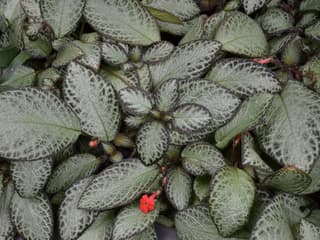
| Flame Violet | Easy | Partial shade | 7d | ✓ |
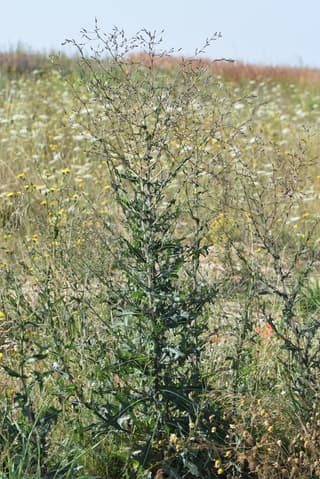
| Prickly Lettuce | Easy | Direct sun | 7d | ✓ |
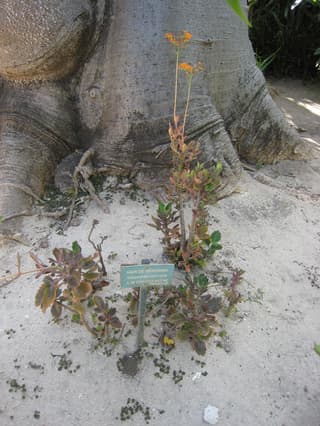
| Christmas Tree Plant | Easy | Bright indirect | 10d | ⚠️ |
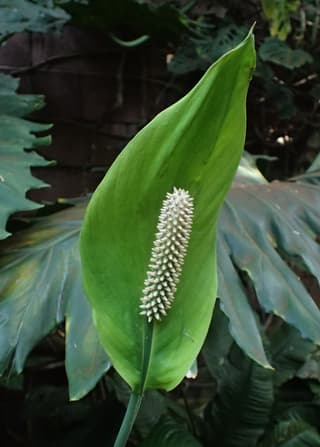
| Peace Lily | Easy | Low light | 7d | ⚠️ |