Amaryllidaceae
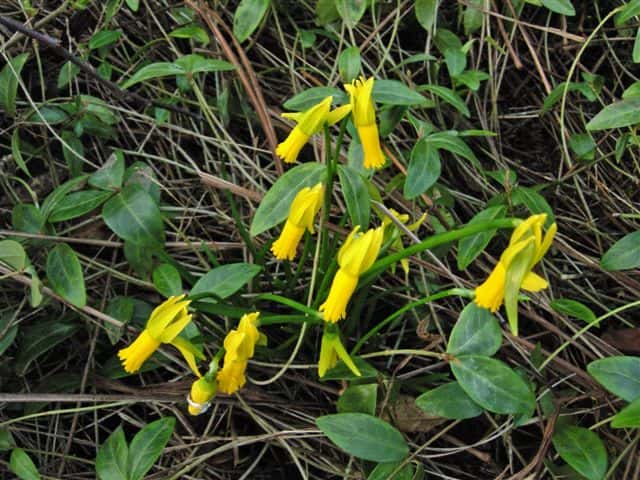
Cyclamen Daffodil (Narcissus cyclamineus)
Narcissus cyclamineus
Easy outdoor bulb. Plant bulbs in autumn in a sunny or partially shaded spot with well-drained soil. Water sparingly during summer dormancy; regularly during active growth and bloom. All parts are toxic — keep away from pets and children.
Every 10 days
Bright indirect
-10° - 20°C
50% - 70%
Categories
What is Cyclamen Daffodil?
Cyclamen Daffodil (Narcissus cyclamineus) is a easy-care plant from the Amaryllidaceae family. Narcissus cyclamineus is a miniature daffodil species native to the Iberian Peninsula, particularly the humid meadows and stream banks of northwestern Portugal and Galicia, Spain. It is instantly recognizable by its fully reflexed perianth segments — swept back almost parallel to the stem — and its...
Cyclamen Daffodil grows up to 25cm, with spread of 20cm, watering every 10 days, -10°C – 20°C, 50–70% humidity. It is not suitable for indoor environments and not safe for pets.
Unlike many tropical plants, Cyclamen Daffodil tolerates watering mistakes. Best for beginners. Without precautions, ingestion can cause irritation in pets. Keep out of reach of cats and dogs.
How to Care for Cyclamen Daffodil?
TLDR: Cyclamen Daffodil needs Bright indirect, watering every 10 days, and temperatures between -10-20°C with 50-70% humidity.
How Often Should You Water Cyclamen Daffodil?
Water moderately during growth and flowering (February–April), only when the top of the soil starts to dry out. After bloom, gradually reduce watering and allow the soil to dry completely during summer while the bulb is dormant. Avoid waterlogging at all times.
How Much Light Does Cyclamen Daffodil Need?
Prefers full sun to partial shade with at least 4–6 hours of direct sunlight per day. Avoid deep shade, which reduces flowering. A south- or east-facing slope in a naturalized garden setting is ideal.
What Is the Best Soil for Cyclamen Daffodil?
Requires well-drained, moderately fertile soil with a pH of 6.0–7.0. Clay or waterlogged soils cause bulb rot. Improve drainage by adding coarse sand or perlite. A mix of garden soil and well-composted organic matter works well.
What Pot Should You Use for Cyclamen Daffodil?
Terracotta or clay pot with good drainage holes to allow soil to breathe and prevent excess moisture. Ensure the container drains freely.
Care Schedule
Fertilize
Every 30 days
Repot
Every 730 days
What Is Cyclamen Daffodil and Where Does It Come From?
Narcissus cyclamineus is a miniature daffodil species native to the Iberian Peninsula, particularly the humid meadows and stream banks of northwestern Portugal and Galicia, Spain. It is instantly recognizable by its fully reflexed perianth segments — swept back almost parallel to the stem — and its long, narrow, bright yellow trumpet. One of the most distinctive and legally protected wild daffodils in Europe, it blooms in late winter to early spring. As a bulbous perennial, it enters summer dormancy after flowering.
How to Propagate Cyclamen Daffodil?
Bulb division
Only divide bulbs when the plant is dormant and the soil is dry. Wear gloves as all parts of the plant are toxic.
- 1 After summer dormancy, carefully lift bulbs in August-September
- 2 Separate offsets (daughter bulbs) from the mother bulb
- 3 Replant immediately at 10 cm depth and 10-15 cm apart
- 4 Water lightly after planting
Materials needed:
Seed propagation
Seed propagation is slow and mainly used for conservation or breeding purposes. Bulb division is far quicker and more reliable.
- 1 Collect ripe seeds after flowering
- 2 Sow in a tray with moist, well-drained substrate
- 3 Place in a cool, bright location
- 4 Expect germination in 3-6 weeks; plants take 2-3 years to flower
Materials needed:
How Big Does Cyclamen Daffodil Grow?
TLDR: Cyclamen Daffodil can reach up to 25cm tall with Slow growth rate.
Max height
25cm
Spread
20cm
Growth rate
Slow
Foliage
Deciduous
Warning: Toxic Plant
This plant can be toxic if ingested. Keep out of reach of:
Plant Uses
Ornamental
Great for decoration
Is your plant showing symptoms?
Click on the symptom to discover possible causes:
What Diseases Commonly Affect Cyclamen Daffodil?
TLDR: Cyclamen Daffodil is susceptible to 9 known diseases. Monitor regularly for early detection.
Root Rot
Root rot is a serious fungal disease that affects the root system of plants, causing them to decay and die. It is primarily caused by overwatering, poor drainage, or soil-borne fungi such as Pythium, Phytophthora, Rhizoctonia, and Fusarium. The disease thrives in waterlogged conditions where roots are deprived of oxygen, making them susceptible to fungal infection.
Fusarium Wilt
Fusarium wilt is a serious fungal disease caused by the soil-borne fungus Fusarium oxysporum. The fungus invades roots and blocks the water-conducting vessels (xylem) of the plant, causing progressive wilting and eventual death. Host-specific forms of the pathogen exist that attack different plant species.
Gray Mold (Botrytis Blight)
Gray mold, caused by the fungus Botrytis cinerea, is a widespread necrotrophic pathogen affecting over 1,400 plant species. It thrives in cool, humid conditions and attacks weakened or aging plant tissues, causing soft rot and characteristic gray fuzzy growth.
Gray Mold (Botrytis Blight)
Gray mold, caused by the fungus Botrytis cinerea, is one of the most common fungal diseases in plants. It affects over 200 plant species, including ornamentals, vegetables, fruits, and houseplants. The disease thrives in cool, humid conditions with poor air circulation, causing grayish spots and soft rot on infected tissues.
Meaning & Symbolism
In Iberian tradition, this daffodil heralds the end of winter and the return of spring. It symbolizes renewal, hope, and the ephemeral beauty of wild nature.
Fun Facts
Narcissus cyclamineus is endemic to the Iberian Peninsula and protected under Portuguese and European conservation law.
Its fully reflexed petals are unique among wild Iberian daffodils and give the flower a striking resemblance to a cyclamen bloom.
The bulbs contain lycorine, a natural alkaloid that deters deer, rabbits, and rodents — making them naturally pest-resistant.
In Galicia, it is known by charming folk names such as "marteliños" (little hammers), inspired by the shape of its nodding flower.
Frequently asked questions
When does Narcissus cyclamineus bloom?
Is the Cyclamen Daffodil toxic to pets?
When should I plant the bulbs?
How often should I water it?
Can Narcissus cyclamineus be grown in a pot?
Compare with similar plants
| Attribute | Difficulty | Light | Watering | Pet Safe |
|---|---|---|---|---|
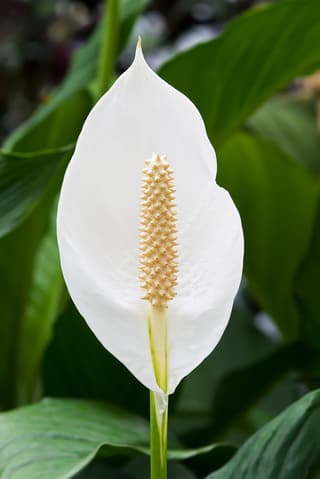
| Peace Lily | Easy | Low light | 4d | ⚠️ |
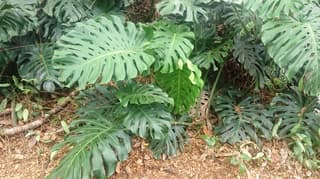
| Swiss Cheese Plant | Easy | Partial shade | 10d | ⚠️ |
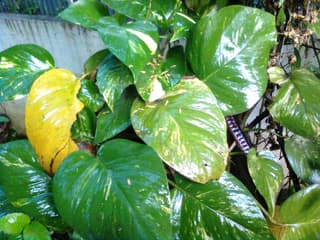
| Golden Pothos | Easy | Low light | 8d | ⚠️ |
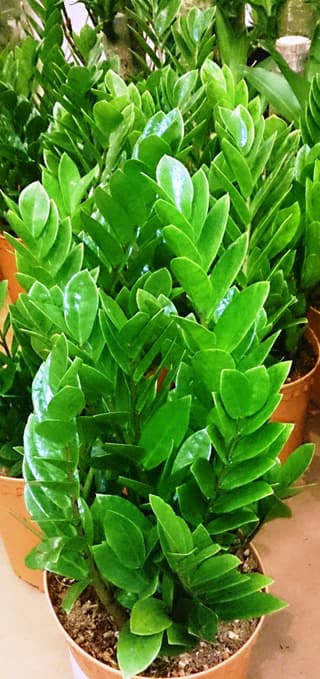
| ZZ Plant | Easy | Low light | 18d | ⚠️ |