Nymphaeaceae
Red Indian Water Lily (Nymphaea rubra)
Nymphaea rubra
Nymphaea rubra thrives in full sun with still or slow-moving water. It requires a nutrient-rich aquatic substrate, warm temperatures, and regular fertilizing during the growing season. Remove spent flowers and yellowing leaves to maintain health and appearance.
Every 3 days
Direct sun
18° - 30°C
60% - 85%
Categories
What is Red Indian Water Lily?
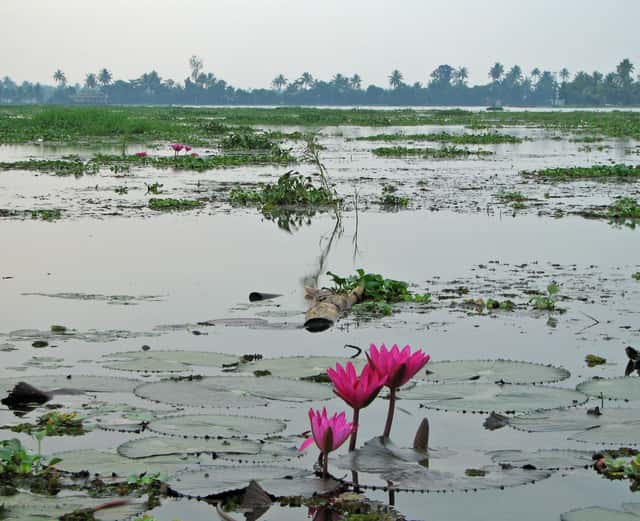
Red Indian Water Lily (Nymphaea rubra) is a easy-care plant from the Nymphaeaceae family. Nymphaea rubra, known as the Red Indian Water Lily, is a stunning aquatic plant native to India and Southeast Asia. This night-blooming lily produces large, fragrant flowers in shades of deep red to pinkish-purple, typically 9–15 cm wide, that open at dusk and close by mid-morning. Its floating leav...
Red Indian Water Lily grows up to 20cm, with spread of 120cm, watering every 3 days, 18°C – 30°C, 60–85% humidity. It is not suitable for indoor environments and not safe for pets.
Unlike many tropical plants, Red Indian Water Lily tolerates watering mistakes. Best for beginners. Without precautions, ingestion can cause irritation in pets. Keep out of reach of cats and dogs.
How to Care for Red Indian Water Lily?
TLDR: Red Indian Water Lily needs Direct sun, watering every 3 days, and temperatures between 18-30°C with 60-85% humidity.
How Often Should You Water Red Indian Water Lily?
As an aquatic plant, Nymphaea rubra lives in water. Keep it planted in an aquatic container submerged 30–60 cm below the water surface. Ensure the water level is consistent and top up during hot, dry weather to prevent the crown from drying out.
How Much Light Does Red Indian Water Lily Need?
Nymphaea rubra requires full direct sunlight — at least 6 hours of direct sun per day. Insufficient light will reduce flowering significantly. Position in the sunniest spot of your pond or water garden.
What Is the Best Soil for Red Indian Water Lily?
Plant in heavy, nutrient-rich loamy soil or specialized aquatic planting media inside a container. Avoid using regular garden compost as it will cloud the water. A mix of clay-loam with aquatic plant fertilizer tablets is ideal.
What Pot Should You Use for Red Indian Water Lily?
Use wide, shallow aquatic planting baskets (30–40 cm diameter). Heavy clay or loam-based pots work best as they anchor well in water. Avoid plastic pots with drainage holes — use mesh-lined aquatic baskets.
Care Schedule
Fertilize
Every 30 days
What Is Red Indian Water Lily and Where Does It Come From?
Nymphaea rubra, known as the Red Indian Water Lily, is a stunning aquatic plant native to India and Southeast Asia. This night-blooming lily produces large, fragrant flowers in shades of deep red to pinkish-purple, typically 9–15 cm wide, that open at dusk and close by mid-morning. Its floating leaves create a beautiful display on ponds and water gardens.
How to Propagate Red Indian Water Lily?
Rhizome Division
Divide in spring when the plant is actively growing. Keep divisions in shallow water until they establish. Avoid disturbance in the first few weeks.
- 1 Wait until the plant has formed offsets or rhizome sections
- 2 Carefully remove the plant from its container
- 3 Separate rhizome sections, each with at least one growth point
- 4 Pot each section in an aquatic container with loamy soil
- 5 Submerge in shallow water initially (5-10 cm) then gradually deepen
Materials needed:
Seed Propagation
Seeds must remain moist at all times. Germination can be slow and irregular. Use rainwater or dechlorinated water.
- 1 Collect seeds from ripe seed pods before they disperse
- 2 Sow seeds in a container of loamy soil covered with 2-3 cm of water
- 3 Keep at 22-28°C in a bright location
- 4 Transplant seedlings once they develop floating leaves
- 5 Gradually deepen water as the plant matures
Materials needed:
How Big Does Red Indian Water Lily Grow?
TLDR: Red Indian Water Lily can reach up to 20cm tall with Medium growth rate.
Max height
20cm
Spread
1.2m
Growth rate
Medium
Foliage
Deciduous
Warning: Toxic Plant
This plant can be toxic if ingested. Keep out of reach of:
Plant Uses
Ornamental
Great for decoration
Medicinal
Medicinal properties
Medicinal Uses
- Anti-diabetic properties
- Antioxidant activity
- Immunomodulatory effects
- Anti-anxiety and mood support
- Traditional use for digestive ailments in India
Is your plant showing symptoms?
Click on the symptom to discover possible causes:
What Diseases Commonly Affect Red Indian Water Lily?
TLDR: Red Indian Water Lily is susceptible to 4 known diseases. Monitor regularly for early detection.
Crown Rot
Crown rot is a serious fungal disease that attacks the crown (base) of the plant where the stem meets the soil. It is caused by various fungal pathogens including Phytophthora, Fusarium, and Rhizoctonia. The disease thrives in waterlogged conditions and can quickly spread to kill the entire plant if not addressed promptly.
Leaf Spot
Leaf spot is a common fungal disease caused by various pathogens including Alternaria, Ascochyta, Colletotrichum, Septoria, and Venturia. It primarily affects leaves, causing discolored spots that can lead to premature leaf drop if left untreated.
Aphids
Aphids are small, soft-bodied, pear-shaped insects (1/16 to 1/8 inch long) that feed by sucking nutrient-rich sap from plants. They reproduce rapidly and can quickly weaken plants, causing distorted growth and transmitting plant viruses. Aphids come in various colors including green, black, red, yellow, brown, and gray. They secrete honeydew, a sticky substance that attracts ants and encourages sooty mold growth.
Slugs and Snails
Slugs and snails are mollusks that feed on plant tissue, causing irregular holes in leaves and damage to young seedlings. They are most active at night and in moist conditions, leaving characteristic silvery slime trails. These pests can quickly devastate gardens, especially during wet seasons.
Meaning & Symbolism
The Red Indian Water Lily is a symbol of beauty, spiritual awakening, and the sacred cycle of life in Indian and Southeast Asian cultures. It is associated with divine deities and represents passion and purity, mirroring the lotus in its emergence from murky waters to bloom in splendor.
Fun Facts
Nymphaea rubra is a night-blooming water lily — its flowers open at dusk and close by mid-morning
The flowers can reach 9–15 cm wide and are deeply fragrant
Native to India and Southeast Asia, it has been used in traditional medicine for centuries
It is sometimes confused with the sacred lotus but belongs to a distinct botanical family
Frequently asked questions
How often should I water Nymphaea rubra?
How much sun does the Red Indian Water Lily need?
Is Nymphaea rubra toxic to pets?
When does the Red Indian Water Lily bloom?
How do I propagate Nymphaea rubra?
Compare with similar plants
| Attribute | Difficulty | Light | Watering | Pet Safe |
|---|---|---|---|---|
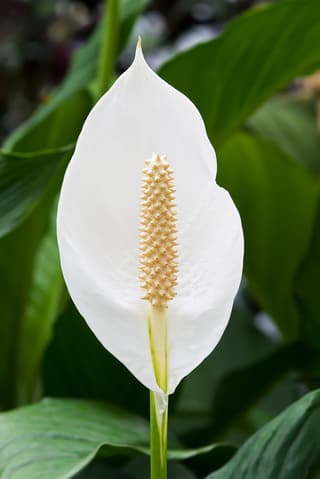
| Peace Lily | Easy | Low light | 4d | ⚠️ |
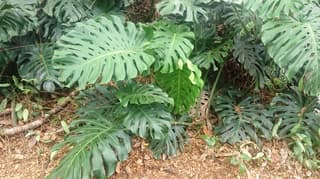
| Swiss Cheese Plant | Easy | Partial shade | 10d | ⚠️ |
| Golden Pothos | Easy | Low light | 8d | ⚠️ |
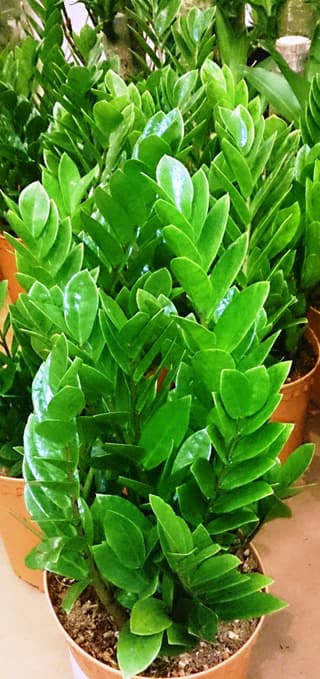
| ZZ Plant | Easy | Low light | 18d | ⚠️ |