Bromeliaceae
Blushing Bromeliad (Neoregelia carolinae)
Neoregelia carolinae
Easy-care plant. Keep clean water in the central tank, provide bright indirect light and well-draining substrate. Does not tolerate intense cold or direct midday sun.
Every 7 days
Partial shade
10° - 32°C
50% - 80%
Categories
What is Blushing Bromeliad?
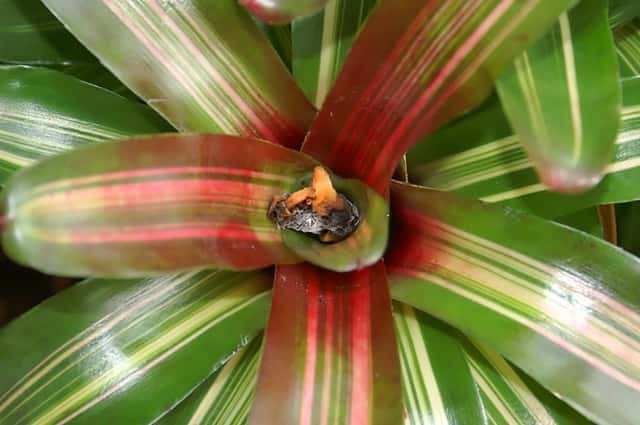
Blushing Bromeliad (Neoregelia carolinae) is a easy-care plant from the Bromeliaceae family. Neoregelia carolinae is a bromeliad native to the Brazilian Atlantic Forest, prized for its glossy leaves forming a flat rosette. When it blooms, the center of the rosette turns a vibrant red, earning it the name "Blushing Bromeliad." Its small purple-blue flowers emerge from the central tank formed...
Blushing Bromeliad grows up to 25cm, with spread of 45cm, watering every 7 days, 10°C – 32°C, 50–80% humidity. It is suitable for indoor environments and safe for pets.
Unlike many tropical plants, Blushing Bromeliad tolerates watering mistakes. Best for beginners. Unlike many popular species, Blushing Bromeliad is safe to keep around pets. Without adequate drainage, root rot can develop within 14 days.
How to Care for Blushing Bromeliad?
TLDR: Blushing Bromeliad needs Partial shade, watering every 7 days, and temperatures between 10-32°C with 50-80% humidity.
How Often Should You Water Blushing Bromeliad?
Keep the central tank (cup) filled with clean water, preferably rainwater or filtered water. Flush and replace the water weekly to prevent bacterial growth. Water the potting medium only when dry to the touch.
How Much Light Does Blushing Bromeliad Need?
Prefers bright indirect light to partial shade. Tolerates morning or late afternoon sun but avoid direct midday sun. More light leads to more intense foliage coloration.
What Is the Best Soil for Blushing Bromeliad?
Use a light, well-draining substrate such as orchid bark mix or a blend of potting mix with sphagnum moss. Never use compacted soil as the roots are sensitive to waterlogging.
What Pot Should You Use for Blushing Bromeliad?
Shallow ceramic or terracotta pots with good drainage. Can also be grown mounted on wood, cork bark, or coconut fiber slabs, mimicking its natural epiphytic habitat.
Care Schedule
Fertilize
Every 30 days
Misting
Every 3 days
Repot
Every 730 days
What Is Blushing Bromeliad and Where Does It Come From?
Neoregelia carolinae is a bromeliad native to the Brazilian Atlantic Forest, prized for its glossy leaves forming a flat rosette. When it blooms, the center of the rosette turns a vibrant red, earning it the name "Blushing Bromeliad." Its small purple-blue flowers emerge from the central tank formed by the leaves. It is an epiphytic plant that naturally grows on tree trunks, absorbing water and nutrients through its central rosette.
How to Propagate Blushing Bromeliad?
Pup separation
Pups appear after the mother plant flowers. Each rosette blooms only once, then produces pups before gradually dying.
- 1 Wait until the pup reaches 1/3 the size of the mother plant
- 2 Carefully remove the mother plant from its pot
- 3 Cut the pup away with a clean sharp knife, preserving its roots
- 4 Plant the pup in light well-draining substrate
- 5 Keep in a humid spot with indirect light for 4 weeks
Materials needed:
How Big Does Blushing Bromeliad Grow?
TLDR: Blushing Bromeliad can reach up to 25cm tall with Slow growth rate.
Max height
25cm
Spread
45cm
Growth rate
Slow
Foliage
Evergreen
Plant Uses
Ornamental
Great for decoration
Is your plant showing symptoms?
Click on the symptom to discover possible causes:
What Diseases Commonly Affect Blushing Bromeliad?
TLDR: Blushing Bromeliad is susceptible to 12 known diseases. Monitor regularly for early detection.
Root Rot
Root rot is a serious fungal disease that affects the root system of plants, causing them to decay and die. It is primarily caused by overwatering, poor drainage, or soil-borne fungi such as Pythium, Phytophthora, Rhizoctonia, and Fusarium. The disease thrives in waterlogged conditions where roots are deprived of oxygen, making them susceptible to fungal infection.
Leaf Spot
Leaf spot is a common fungal disease caused by various pathogens including Alternaria, Ascochyta, Colletotrichum, Septoria, and Venturia. It primarily affects leaves, causing discolored spots that can lead to premature leaf drop if left untreated.
Gray Mold (Botrytis Blight)
Gray mold, caused by the fungus Botrytis cinerea, is one of the most common fungal diseases in plants. It affects over 200 plant species, including ornamentals, vegetables, fruits, and houseplants. The disease thrives in cool, humid conditions with poor air circulation, causing grayish spots and soft rot on infected tissues.
Rust
Rust is a common fungal disease caused by fungi in the order Pucciniales that affects a wide variety of plants. The disease gets its name from the characteristic orange, yellow, or reddish-brown pustules that appear on leaves, resembling metal rust. This obligate fungal parasite requires living plants to survive and can cause significant economic losses in agricultural crops.
Meaning & Symbolism
Symbolizes resilience and adaptability, reflecting the ability to thrive in diverse tropical environments of the Atlantic Forest.
Fun Facts
In the wild, the central tank collects water and creates a micro-ecosystem that shelters insects, tadpoles, and even small frogs
Each rosette blooms only once in its lifetime, then produces pups and gradually dies in a process called monocarpy
The name Neoregelia honors Eduard August von Regel, director of the Saint Petersburg Botanical Garden in the 19th century
The true flowers are small and purple-blue, nearly hidden in the rosette center — the red coloring comes from the leaves, not the flowers
Frequently asked questions
How do I water a Blushing Bromeliad?
Is the Blushing Bromeliad toxic to pets?
How do I propagate a Blushing Bromeliad?
Why did the center of my Blushing Bromeliad turn red?
Compare with similar plants
| Attribute | Difficulty | Light | Watering | Pet Safe |
|---|---|---|---|---|
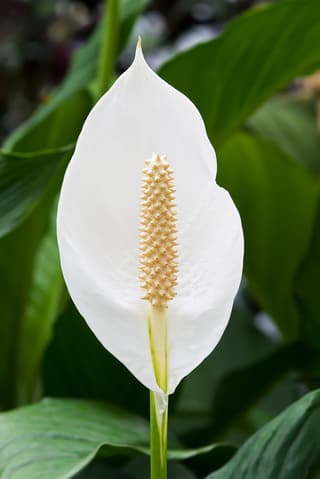
| Peace Lily | Easy | Low light | 4d | ⚠️ |
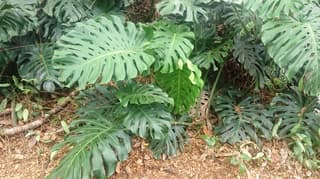
| Swiss Cheese Plant | Easy | Partial shade | 10d | ⚠️ |
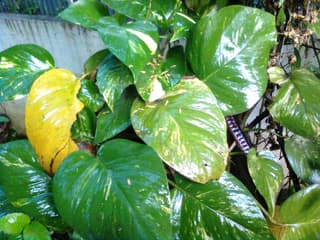
| Golden Pothos | Easy | Low light | 8d | ⚠️ |
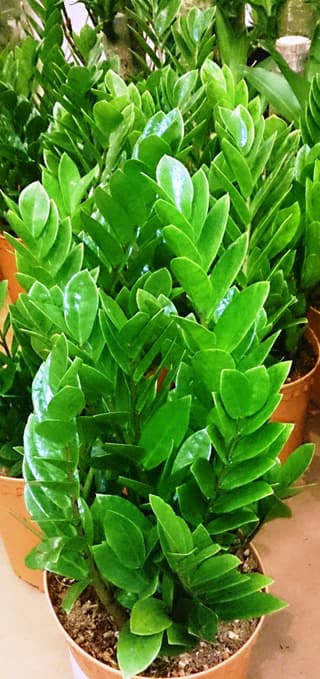
| ZZ Plant | Easy | Low light | 18d | ⚠️ |