Asphodelaceae
New Zealand Flax (Phormium tenax)
Phormium tenax
New Zealand Flax is easy to care for once established. Plant in full sun to partial shade in well-draining soil. Water regularly when young; established plants are drought tolerant. Fertilize once a month in spring and summer. Remove dead leaves from the base to keep the plant tidy. Protect from severe frosts in colder climates.
Every 10 days
Bright indirect
-10° - 35°C
30% - 50%
Categories
What is New Zealand Flax?
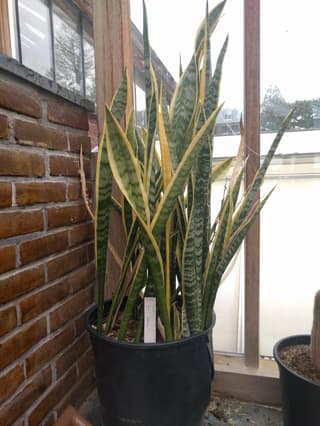
New Zealand Flax (Phormium tenax) is a easy-care plant from the Asphodelaceae family. Phormium tenax, commonly known as New Zealand Flax or Harakeke, is a bold, evergreen perennial native to New Zealand and Norfolk Island. It forms striking clumps of long, sword-shaped leaves that can reach up to 3 meters in height, making it a dramatic focal point in gardens. The plant produces tall...
New Zealand Flax grows up to 3.0m, with spread of 200cm, watering every 10 days, -10°C – 35°C, 30–50% humidity. It is not suitable for indoor environments and safe for pets.
Unlike many tropical plants, New Zealand Flax tolerates watering mistakes. Best for beginners. Unlike many popular species, New Zealand Flax is safe to keep around pets.
How to Care for New Zealand Flax?
TLDR: New Zealand Flax needs Bright indirect, watering every 10 days, and temperatures between -10-35°C with 30-50% humidity.
How Often Should You Water New Zealand Flax?
Water young plants regularly to establish roots. Once established, water every 7–14 days in summer and reduce to every 3–4 weeks in winter. This plant is sensitive to overwatering and root rot — always allow the soil to dry slightly between waterings. Avoid letting the crown sit in waterlogged soil.
How Much Light Does New Zealand Flax Need?
New Zealand Flax thrives in full sun (at least 6 hours per day) and also tolerates partial shade. Variegated cultivars develop their best color in partial shade. It does not tolerate deep shade, which will cause the leaves to become limp and lose vibrancy.
What Is the Best Soil for New Zealand Flax?
Plant in well-draining, moderately fertile soil. It tolerates a wide range of soils including clay, sandy, and loamy soils, provided drainage is good. Ideal soil pH is 6.0–7.0. Amend heavy clay soils with grit or perlite to improve drainage and prevent root rot.
What Pot Should You Use for New Zealand Flax?
Outdoors: Plant directly in garden beds or large containers. Avoid terracotta pots which can restrict root growth. If container planting, use a large, deep pot (at least 40 cm wide) with drainage holes. A heavy ceramic or plastic planter is best to balance the tall, top-heavy foliage.
Care Schedule
Fertilize
Every 30 days
Repot
Every 730 days
What Is New Zealand Flax and Where Does It Come From?
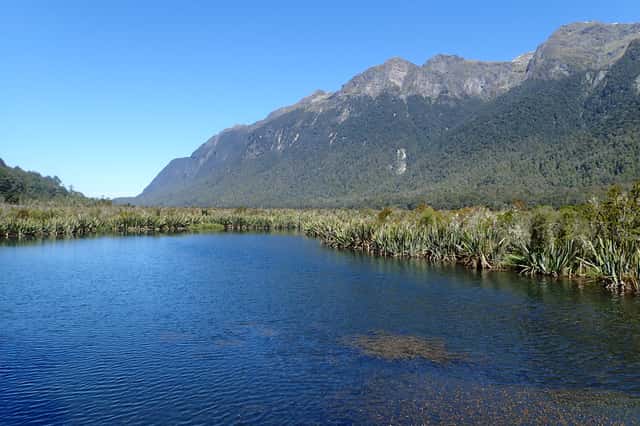
Phormium tenax, commonly known as New Zealand Flax or Harakeke, is a bold, evergreen perennial native to New Zealand and Norfolk Island. It forms striking clumps of long, sword-shaped leaves that can reach up to 3 meters in height, making it a dramatic focal point in gardens. The plant produces tall flowering spikes of dark red tubular flowers in summer, attracting nectar-feeding birds. It is highly adaptable, tolerating coastal winds, drought, and a wide range of soil conditions once established.
How to Propagate New Zealand Flax?
Division
Divide every 3–5 years to rejuvenate the plant and prevent clumping. Each division should have at least 2–3 fans of leaves for best success.
- 1 Dig up the entire clump in spring
- 2 Use a sharp spade to divide the clump into sections, each with several fans of leaves and roots
- 3 Replant divisions immediately at the same depth in prepared soil
- 4 Water well after planting and keep moist until established
Materials needed:
Seed propagation
Seeds from cultivars may not breed true to type. For cultivar propagation, use division instead.
- 1 Collect seeds from mature seed pods in autumn
- 2 Sow seeds in seed-raising mix in spring
- 3 Keep moist and in a warm, bright position
- 4 Transplant seedlings when large enough to handle
Materials needed:
How Big Does New Zealand Flax Grow?
TLDR: New Zealand Flax can reach up to 3.0m tall with Medium growth rate.
Max height
3.0m
Spread
2.0m
Growth rate
Medium
Foliage
Evergreen
Plant Uses
Ornamental
Great for decoration
Is your plant showing symptoms?
Click on the symptom to discover possible causes:
What Diseases Commonly Affect New Zealand Flax?
TLDR: New Zealand Flax is susceptible to 8 known diseases. Monitor regularly for early detection.
Leaf Spot
Leaf spot is a common fungal disease caused by various pathogens including Alternaria, Ascochyta, Colletotrichum, Septoria, and Venturia. It primarily affects leaves, causing discolored spots that can lead to premature leaf drop if left untreated.
Root Rot
Root rot is a serious fungal disease that affects the root system of plants, causing them to decay and die. It is primarily caused by overwatering, poor drainage, or soil-borne fungi such as Pythium, Phytophthora, Rhizoctonia, and Fusarium. The disease thrives in waterlogged conditions where roots are deprived of oxygen, making them susceptible to fungal infection.
Mealybugs
Mealybugs are small, soft-bodied insects covered with a white, waxy, cottony material. They are common pests of houseplants and outdoor plants in mild climates. These sap-sucking insects feed on plant tissue, causing damage, stunted growth, and can lead to plant death if left untreated. They produce sticky honeydew which attracts sooty mold.
Scale Insects
Scale insects are small sap-sucking pests that appear as brown, shell-like bumps on plant stems and leaves. There are over 25 species, divided into armored (hard) and unarmored (soft) scales. They feed by piercing plant tissue and extracting sap, which weakens the plant and can lead to yellowing, stunted growth, and even death if left untreated. They also excrete honeydew, which attracts ants and promotes sooty mold growth.
Meaning & Symbolism
In Māori culture, the harakeke plant symbolizes the whānau (family). The central shoot represents the child, the inner leaves the parents, and the outer leaves the extended family. This philosophy of never harvesting the innermost leaves reflects deep values of nurturing and protecting the core of the family unit.
Fun Facts
Phormium tenax is the national plant fibre of New Zealand and was used by Māori for centuries to weave clothing, ropes, and baskets.
The flower spikes of New Zealand Flax can reach up to 4 metres tall, towering above the leaf clumps.
New Zealand Flax produces nectar-rich tubular flowers that attract tūī, kaka, and other native nectar-feeding birds.
The fibre extracted from Phormium tenax leaves is stronger than manila hemp and was used in rope-making during WWII.
Frequently asked questions
How often should I water New Zealand Flax?
Is New Zealand Flax (Phormium tenax) toxic to pets?
Can Phormium tenax grow indoors?
How do I propagate New Zealand Flax?
Why are my New Zealand Flax leaves turning yellow?
Compare with similar plants
| Attribute | Difficulty | Light | Watering | Pet Safe |
|---|---|---|---|---|
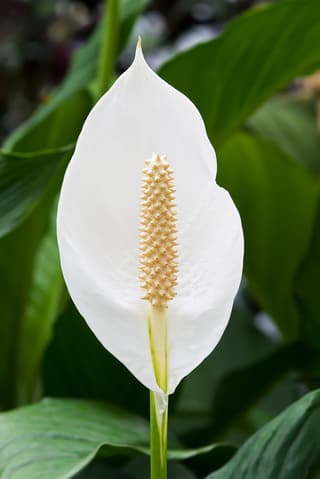
| Peace Lily | Easy | Low light | 4d | ⚠️ |
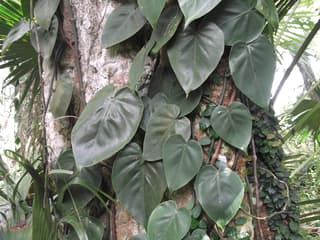
| Swiss Cheese Plant | Easy | Partial shade | 10d | ⚠️ |
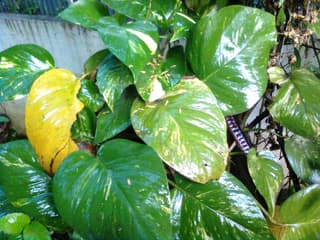
| Golden Pothos | Easy | Low light | 8d | ⚠️ |
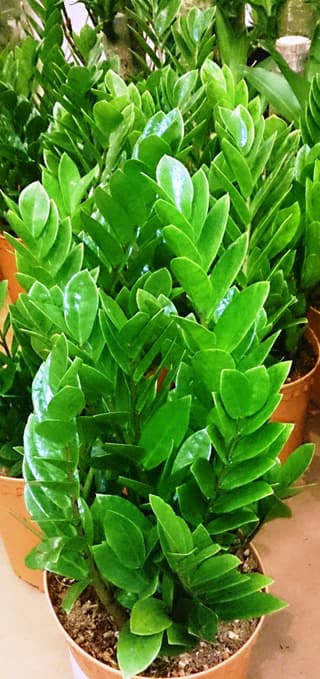
| ZZ Plant | Easy | Low light | 18d | ⚠️ |